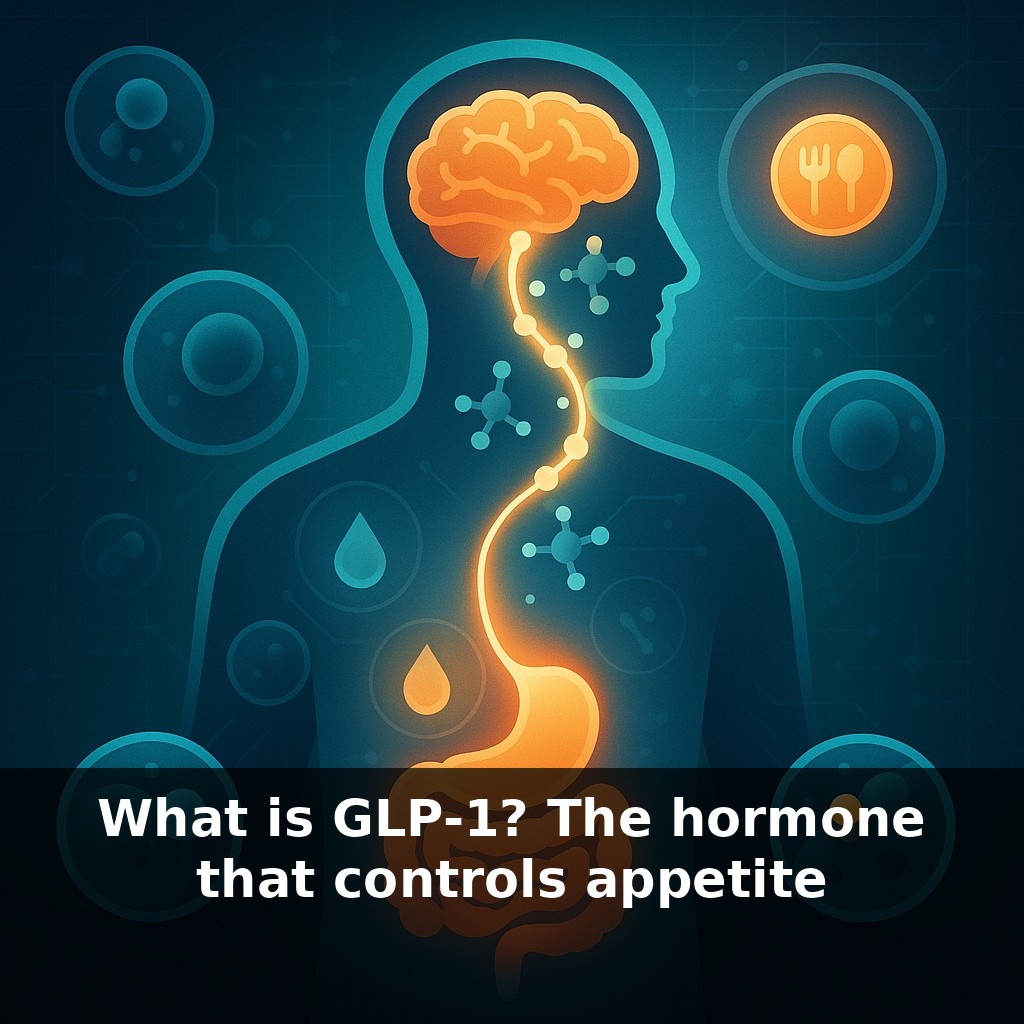
Right now, a single gut hormone is quietly changing how doctors treat both diabetes and obesity. In one scenario, it tells your pancreas, “Time to release insulin.” In another, it whispers to your brain, “You’re full.” Same molecule, two conversations, completely different outcomes.
GLP-1 doesn’t work alone. Once it’s released, it plugs into a specific docking point on cells called the GLP-1 receptor—tiny molecular “ears” scattered through the body that decide how loudly its message is heard. These receptors sit not only in the pancreas and brain, but also in the heart and along the digestive tract, tying blood sugar, appetite, and even cardiovascular function into one coordinated network. Drug developers realized that instead of just boosting the natural signal, they could redesign the messenger. Modern GLP-1 medicines keep that message playing far longer than the fleeting natural hormone, turning a brief post‑meal whisper into a steady, day‑long broadcast that reshapes metabolism, body weight, and long‑term health outcomes.
That long, steady signal turns out to matter. Natural GLP‑1 disappears from the bloodstream in a flash—on the order of a song intro—while drugs like semaglutide linger for about a week. With that extended presence, researchers began to notice something striking: people weren’t just seeing better glucose numbers; they were losing substantial amounts of weight and, in some trials, showing improvements in cardiovascular risk markers. Suddenly, GLP‑1 shifted from a niche diabetes tool to the front line of a broader effort to rethink how we manage obesity, metabolic health, and even long‑term disease prevention.
Here’s where things get more concrete: GLP‑1’s “broadcast” reaches very different audiences around the body, and each one reacts in its own way. In the brain, certain regions involved in reward and decision‑making start to treat food differently. People on GLP‑1 drugs often report that foods they used to crave feel strangely “turned down” in appeal. The Friday‑night rush toward ultra‑processed snacks? For many, it simply quiets. That change isn’t willpower; it’s circuitry being nudged toward smaller portions and less impulsive eating.
In the digestive tract, the signal changes the tempo of how quickly a meal moves along. That slower pace can smooth out the sharp peaks and valleys in blood sugar that leave people sleepy, ravenous, and reaching for more food an hour or two later. Over weeks and months, this steadier pattern can translate into lower average glucose levels and less strain on systems that have been overcompensating for years.
Zoom out to the clinical trials and numbers start to tell the same story. In the STEP‑1 study, people with excess weight but without diabetes saw nearly 15% reductions in body weight over a little more than a year, when the GLP‑1 analogue was paired with lifestyle support. That’s not cosmetic change; it’s the kind of shift associated with lower risk of sleep apnea, fatty liver disease, and joint damage. Other trials in people with type‑2 diabetes have documented improvements in blood pressure and cholesterol profiles alongside glucose control.
At the same time, this isn’t a free pass. The same mechanisms that slow the gut and change eating behavior can cause nausea, vomiting, or constipation, especially during dose increases. For most, these effects are mild to moderate and fade as the body adapts, but they’re a major reason for treatment drop‑out. Clinicians now titrate doses carefully and coach patients on eating smaller, simpler meals while the brain–gut axis adjusts.
Your challenge this week: notice your own “appetite circuitry” in action. For seven days, pick one meal per day and rate, on a 1–10 scale, how hungry you were before, how quickly you felt satisfied, and how strong your cravings are two hours later. You’re not changing anything yet—just mapping your personal baseline. That simple experiment will make the next episode’s deep dive into risks, benefits, and who GLP‑1 is (and isn’t) for much easier to place in the context of your own body.
Think about how differently your body might respond to a slow Sunday brunch versus a rushed weekday snack. The menu could be similar, but the timing, pace, and context shift how your brain and gut “score” that meal. That’s part of why researchers testing GLP‑1–based drugs didn’t just log weight and lab values; they tracked changes in food choices, timing, and even emotional eating. Some participants naturally drifted toward earlier dinners, smaller late‑night snacks, or less interest in calorie‑dense “treats” after stressful days.
You can see echoes of this outside the clinic. Employers piloting GLP‑1 coverage report fewer midday energy crashes and more consistent work patterns. Bariatric teams sometimes use GLP‑1 drugs before or after surgery to support sustainable habits, not just lower numbers on a scale. And cardiology groups are watching closely, curious whether shifting how people eat day‑to‑day might alter the trajectory of blood pressure and lipid trends over years, not weeks.
Drug developers are now testing “poly‑agonists” that stimulate GLP‑1 alongside partners like GIP or glucagon, nudging multiple dials of energy balance at once. Early data hint at weight changes closer to bariatric surgery than to traditional diets. Oral pills, weekly or even monthly injections could turn today’s clinic‑only tools into something closer to routine “maintenance,” like changing strings on a guitar to keep the whole metabolic instrument in tune for decades.
As this story unfolds, the real question isn’t just “How much weight can be lost?” but “How might this change daily life?” From rethinking food marketing and portion norms to reshaping how employers, insurers, and cities plan for health, GLP‑1 tools could act less like a quick fix and more like a quiet nudge, steering whole environments toward easier choices.
Before next week, ask yourself: 1) “If I paused before each meal and honestly rated my hunger from 1–10, how often would my choice to eat actually match true, GLP-1–driven physical hunger versus habit, stress, or the clock?” 2) “What would change today if I gave my body a real chance to trigger GLP-1—by slowing down my meals, emphasizing protein and fiber, and waiting 15–20 minutes before deciding if I need more food?” 3) “If I experimented for just three days with a consistent meal schedule and fewer ultra-processed snacks (which can blunt natural appetite signals), what patterns in my cravings, energy, and mood might I start to notice?”