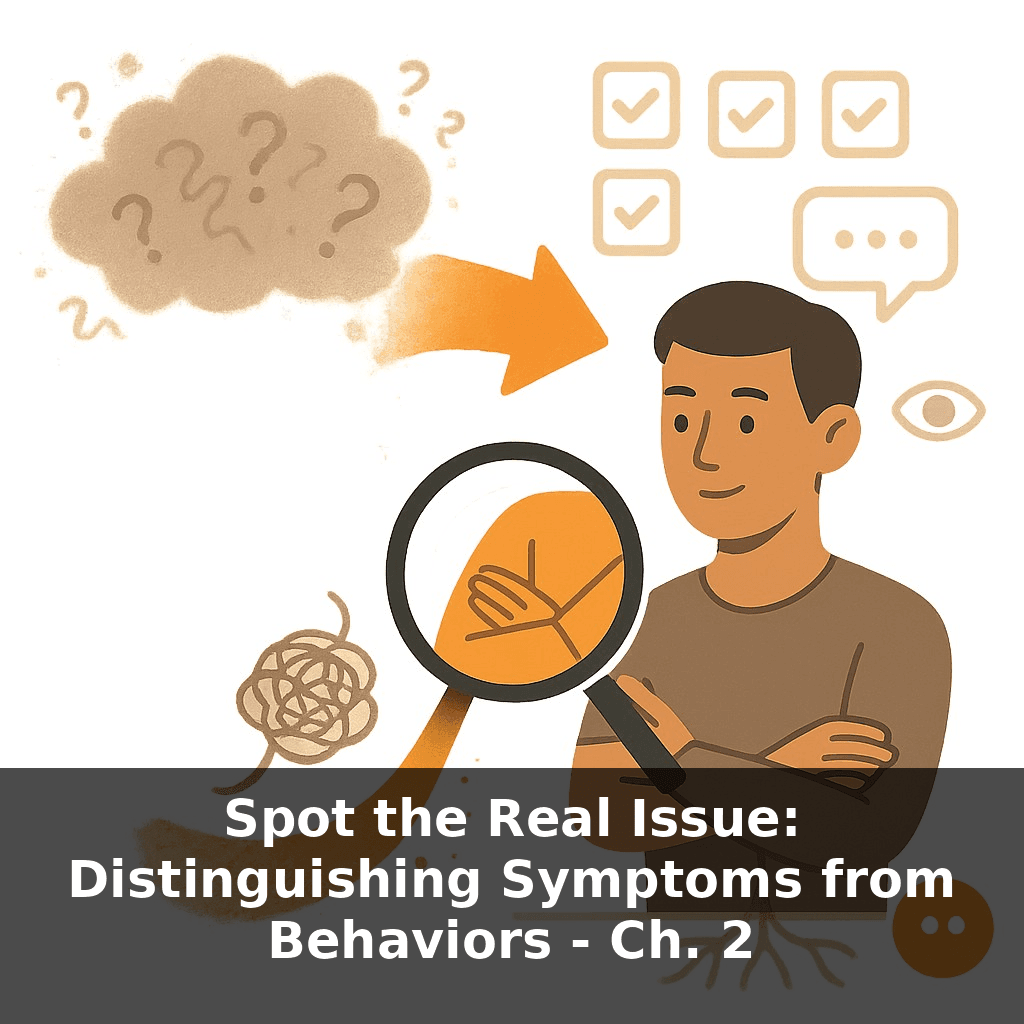
Spot the Real Issue: Distinguishing Symptoms from Behaviors
Spot the real issue with behavior-based problem solving and effective feedback skills. Learn how to distinguish symptoms vs behaviors so you can identify root cause without triggering defensiveness. Turn vague impressions into clear, observable behaviors to improve communication, feedback, and conflict resolution outcomes. What You'll Learn: • How to quickly separate symptoms (surface complaints) from behaviors (what someone actually did, said, or didn’t do) • A simple model for describing observable behaviors using frequency, duration, intensity, and context • How to move from assumptions and motives to facts you can see or hear • Practical phrases for giving better feedback using behavior-based language • How to reduce defensiveness in tough conversations by focusing on specific actions, not character • Ways to apply behavior-based problem solving to conflict resolution and team communication • A 3-step method to identify root cause instead of endlessly treating surface issues • How to capture your key insights in writing and turn them into one small action this week Episode Content: 00:00 - Introduction: Why we struggle to spot the real issue 03:15 - Symptoms vs behaviors: What’s the actual difference? 08:40 - Behavioral science basics: Facts vs interpretations 14:05 - Using frequency, duration, intensity, and context in real conversations 20:10 - How behavior-based feedback reduces defensiveness 27:30 - Common misconceptions about feedback and motives 33:45 - Applying root-cause thinking to everyday workplace conflicts 40:20 - How to personalize this: One situation in your life right now 44:10 - Turn insight into action: A tiny step you can take this week 49:00 - Recap and written reflection prompt Full Description: In this communication skills podcast episode, we dive into how to spot the real issue by distinguishing symptoms vs behaviors so you can identify root cause and give more effective feedback. Instead of chasing surface problems or reacting to vague impressions, you’ll learn how to anchor feedback and problem-solving in specific, observable behaviors—what anyone could see or hear—so conversations stay factual, focused, and far less defensive. Drawing on behavioral science, we unpack why behavior-based problem solving works: when you describe the frequency, duration, intensity, and context of a behavior, people feel less attacked, misunderstandings drop, and you can diagnose what’s really going on much faster. You’ll hear practical examples that contrast fuzzy, motive-laden feedback ("You’re not committed") with precise, behavior-based feedback ("In the last three meetings, you joined 10–15 minutes late without a heads-up"). We also explore three common misconceptions that make feedback and conflict resolution harder than they need to be—like assuming we already know people’s motives, or believing that naming behaviors is the same as labeling character. Through relatable analogies and real-world situations, you’ll see how focusing on observable behaviors, not assumptions, improves accuracy, lowers defensiveness, and leads to better solutions at work and at home. This episode is especially useful if you want to learn how to give better feedback, reduce defensiveness in conversations, or strengthen your conflict resolution skills. You’ll leave with a simple, repeatable approach: spot the symptom, describe the behavior, then explore the root cause together. And to make sure insight turns into action, we close with a short reflection exercise so you can pick one real situation and apply what you’ve learned this week. Action Steps from the Episode: 1) Take a few minutes after listening to write down the key ideas you heard about spotting the real issue and distinguishing symptoms from behaviors. Putting it in writing makes it easier to remember and apply. 2) Identify one specific situation in your life or work right now where this distinction matters—maybe a recurring conflict, a frustrating performance issue, or a misunderstood conversation. 3) Choose one small, concrete action you’ll take this week to use behavior-based language—describe what you can see or hear instead of assuming motives. Even a tiny step counts and helps you build lasting feedback skills. Whether you’re a manager, team member, or just someone who wants fewer misunderstandings and better conversations, this episode gives you practical tools to spot the real issue and communicate with more clarity and respect.
What You'll Learn:
- How to quickly separate surface symptoms from concrete behaviors so you stop solving the wrong problem
- A practical way to describe observable behaviors using frequency, duration, intensity, and context
- How to shift from assumptions and motives to neutral, fact-based language in feedback
- Specific wording you can use to give better feedback with fewer vague labels and judgments
- How behavior-focused conversations reduce defensiveness and open the door to real problem solving
- A simple 3-step approach to identify root cause instead of repeatedly treating surface issues
- How to apply these behavior-based skills to real-life conflicts and communication breakdowns
- A short reflection routine to write down insights and choose one small action you’ll take this week
Just $2/month — less than a coffee ☕
From this course
Feedback That Actually Changes Behavior
11 episodesUnlock all episodes
Full access to 11 episodes and everything on OwlUp.
Subscribe — $2/monthLess than a coffee ☕ · Cancel anytime