The average wedding now costs more than a new compact car—yet most couples start spending before they’ve decided what actually matters to them. Two people, same budget: one ends up stressed and broke; the other, calm and confident. The difference? How they set the budget on day one.
So instead of asking, “What does a normal wedding cost?” a better question is, “What do we want this specific day to feel like—and what are we willing to trade off to get there?” That’s where a realistic wedding budget stops being a spreadsheet chore and starts becoming a design tool. You’re not just dividing money; you’re choosing the moments guests will actually remember: a packed dance floor, great food, a quiet first look, or an intimate dinner where you talk to everyone at the table.
The tricky part is that every decision quietly changes the math. Upgrading the bar might mean a smaller band. Adding 30 cousins might nudge you toward a simpler venue. Social media, family opinions, and “once in a lifetime” thinking all push you to say yes. A smart budget builds in guardrails so you can say no—without guilt.
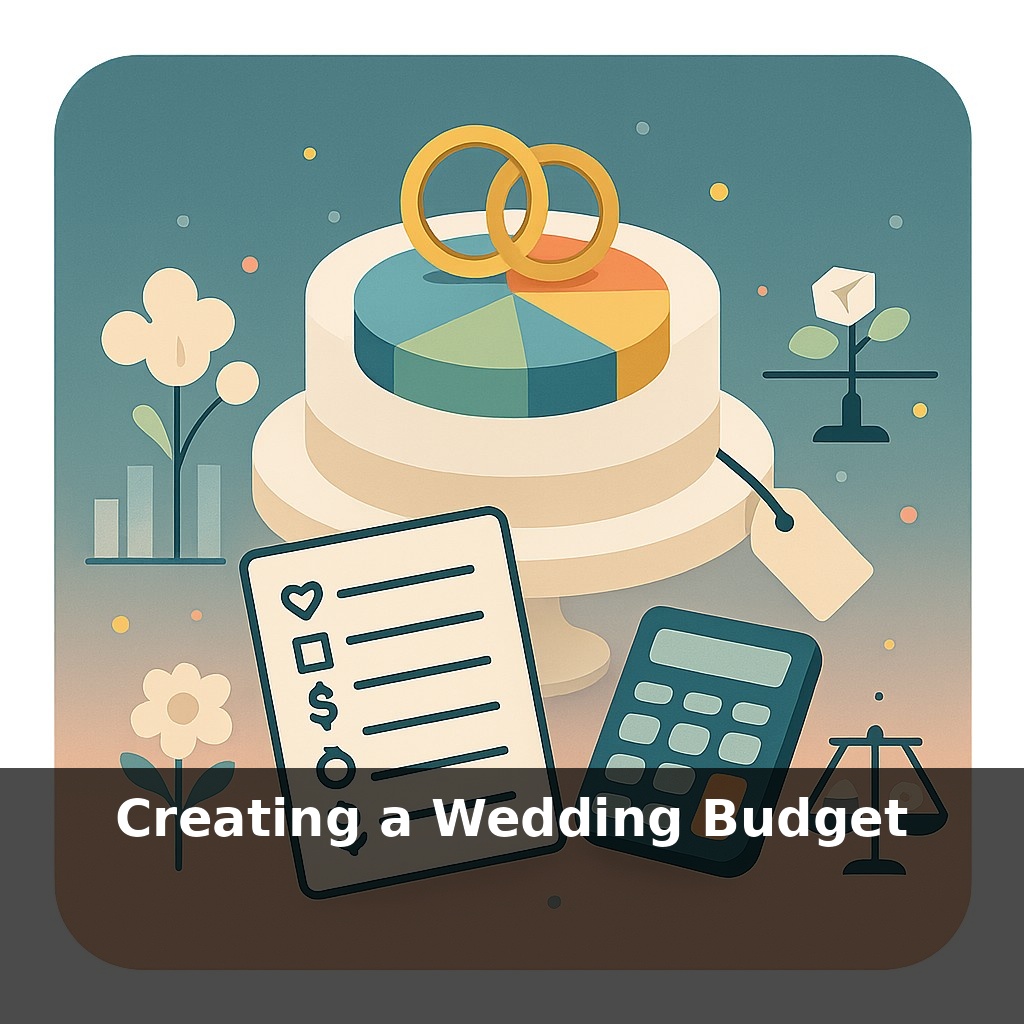
Here’s where it gets real: before you price a single venue or scroll another inspo board, you need one unglamorous number—your total, all‑in spending limit. That includes savings you’re comfortable using, realistic monthly contributions until the wedding, and any family help that’s actually confirmed, not just “we’ll see.” Treat it like a firm project budget at work: it doesn’t move just because you fall in love with a prettier option. From there, you’ll carve out rough slices for the big categories, then refine as quotes come in, adjusting portions instead of quietly inflating the whole pie.
Now you’ve got that all‑in limit, the next move is to decide what actually earns a place inside it. Start by separating your “must‑haves” from your “nice‑to‑haves,” and be brutally specific. “Good photos” isn’t helpful; “a photographer who stays through the exit and does an engagement session” is. The clearer you are, the easier it is to spot bloat when quotes start flying in.
This is also the moment to talk honestly about expectations from other people. If a parent is contributing, what do they assume that includes—inviting their coworkers, a full open bar, a religious ceremony? Getting that on the table early keeps your numbers from getting quietly hijacked by someone else’s vision. You’re not promising to deliver everything; you’re mapping out what requests would actually cost.
Next, make friends with the one factor that quietly drives almost every line item: headcount. Each guest typically brings extra seats, plates, drinks, favors, and a larger space. Before you fall in love with a 200‑person ballroom, sketch out versions of your day at, say, 60, 100, and 150 guests. Notice how certain options only become possible—or impossible—at different sizes. A smaller list might unlock that dream restaurant buyout; a bigger list might push you toward a simpler menu but livelier energy.
Timing is another powerful lever. Ask venues how pricing changes for Fridays, Sundays, or winter dates instead of assuming Saturdays in June are your only option. The same room, food, and view can cost dramatically less just by shifting the calendar. Vendors sometimes follow suit, especially photographers and DJs who like to fill slower days.
Finally, decide what you refuse to finance with future stress. If you’re considering using credit, set a separate, much smaller cap that you can clear within one or two billing cycles. Anything beyond that becomes a red flag: a signal to tweak the guest list, date, or formality level rather than quietly loading long‑term debt onto a one‑day event.
A helpful way to pressure‑test your numbers is to run “mini simulations.” Take one category, like music, and sketch three distinct versions of the night: a DJ only, a small live band, or curated playlists with a friend emceeing. Instead of asking, “Is a band worth it?” ask, “What changes elsewhere if we pick the band?” Maybe that means skipping a photo booth but keeping a packed dance floor; suddenly the tradeoff feels concrete, not abstract.
You can do the same with meals: plated dinner, family‑style, or heavy hors d’oeuvres. Map the likely price range, but also how each format changes the vibe—lingering toasts vs. more dancing vs. mingling all night. Think of it like A/B testing a website: you’re not guessing what users will like; you’re comparing versions and their ripple effects before committing.
As you explore these “version A, B, C” sketches, note which details you keep choosing again and again. Those recurring choices often reveal your true priorities more honestly than any wish list.
Trend lines suggest wedding planning will feel more like using a smart travel app than filling a spreadsheet. Expect tools that surface “hidden routes”: swap a pricey live band for a smaller guest list and upgraded menu, or trade a Saturday night for a Friday plus a day‑after brunch. As borrowing gets easier but riskier, regulators may eye “wedding loans” the way they did payday lenders—nudging couples toward plans that age well, like investments, instead of souvenirs from a single day.
Treat the plan you’ve built less like a contract and more like a living sketch you’ll keep refining. As quotes roll in, adjust, erase, and redraw until the picture matches both your values and your wallet. Your challenge this week: revisit one assumed “standard” detail and ask, “If we skipped or shrank this, what more meaningful moment could we fund instead?”