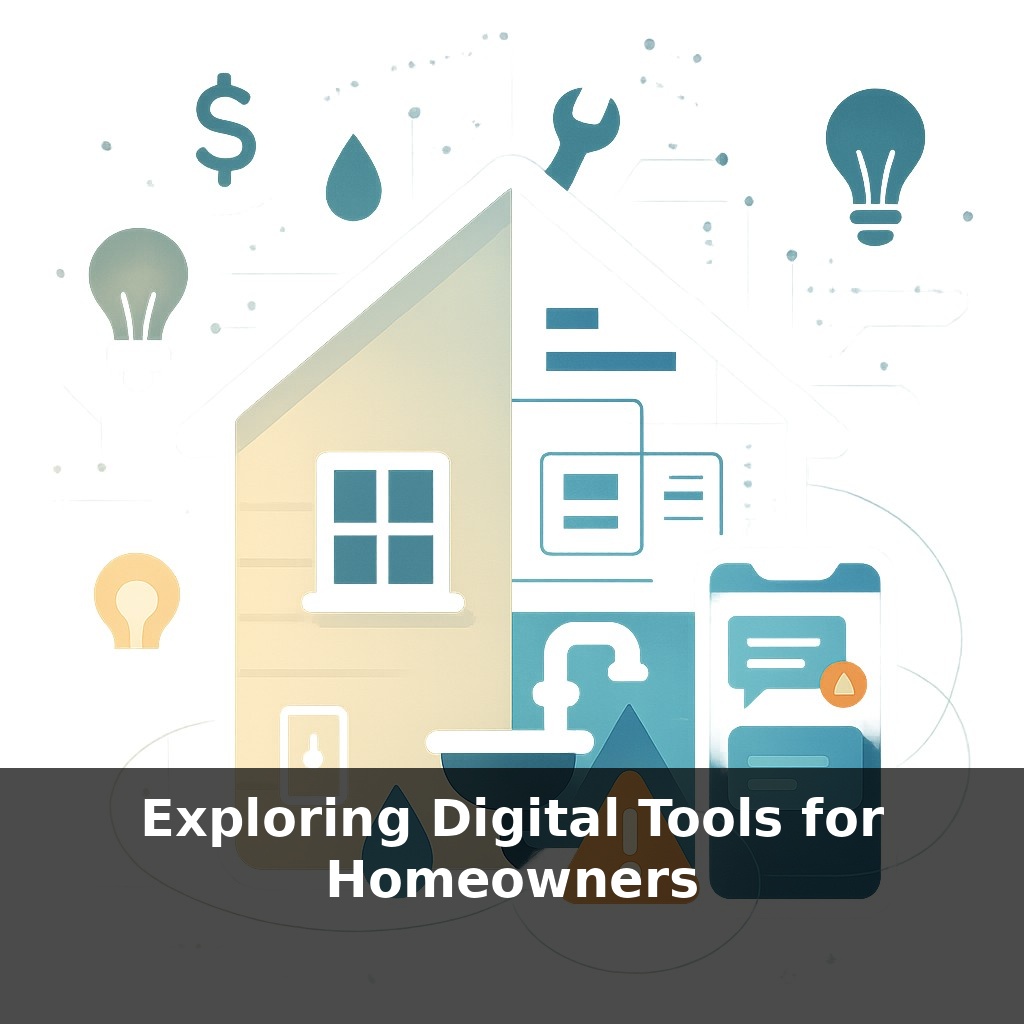
The typical homeowner quietly spends a few thousand dollars a year just keeping the place running—yet most don’t know where that money actually goes. You’re cooking dinner, your phone buzzes: “Leak detected under sink. Plumber available at 7.” Is that convenience—or dependence?
So here you are, walking through a place that finally feels like *yours*—but behind every light switch and faucet is a stream of decisions and dollars you can’t quite see. Digital tools are quietly stepping into that gap, turning scattered “I’ll deal with it later” moments into a more coordinated system. Instead of guessing what you can afford to fix this month, or hoping you’ll remember to service the furnace before winter, apps now surface patterns in your spending, flag small issues before they snowball, and line up help when you need it. Some even learn from your habits: how often you hire out lawn care, when you tend to crank the heat, which projects you actually finish. Used well, they don’t just track your home life—they shape it, nudging you toward fewer surprises, more control, and a clearer picture of what it really costs to live in your home.
The catch is that all these tools come with tradeoffs: you’re handing bits of your financial life, your routines, even your floor plan to companies whose incentives don’t always match yours. Some apps steer you toward “partner” pros, some quietly upsell insurance or financing, some collect more data than you realize. At the same time, ignoring them means flying blind while others negotiate better rates, avoid disasters, and plan projects with fewer surprises. The real question isn’t “tech or no tech,” but which parts of homeownership you actually want help with—and what you’re willing to give up in return.
For most people, that $3,300 a year on upkeep doesn’t feel like a steady line item—it hits as “Why is my bank account suddenly empty this month?” moments. The advantage of modern tools isn’t just that they record what you spend; it’s that they help you turn scattered costs into something you can actually plan around.
Start with money. A simple home-focused budget or expense tracker can tag every repair, subscription, and utility as “house,” then break it down: cleaning, lawn, repairs, upgrades, emergencies. Over a few months, patterns show up: maybe your heating bill spikes every January, or “small” décor buys quietly rival your insurance premium. That’s when you can say, “Okay, I’ll set aside $250 a month for the boring stuff, and cap projects at what’s left.” Intuit says users who just set bill reminders avoid up to $200 a year in late fees; that’s money you can redirect into a repair fund instead of penalties.
Next, routing work. Marketplaces like Thumbtack, Taskrabbit, Angi, and similar platforms aren’t just directories. They let you request, compare, and schedule in one place—often with verified reviews, background checks, photos of past work, and in-app messaging. Done right, you’re trading the old “friend of a friend” guesswork for documented performance and clear pricing. Thumbtack’s own data suggest that people who scope and plan projects in-app have fewer surprise overages—because they’re forced to specify details up front and see multiple bids.
Then there’s protection. Smart-leak sensors, smoke alarms tied to your phone, and basic security systems feed you alerts before a minor drip becomes a soaked ceiling. Chubb’s estimate that water-leak detectors can cut water-damage claims by 70% hints at how much silent risk sits in pipes and hoses you never look at. Some insurers now give discounts if you install these devices, because preventing one claim is cheaper than paying it.
If budgeting and planning are the “strategy meetings” of your home, these connected devices are like your scouts in the field—constantly checking corners you’d never visit on your own time and reporting back when something looks off.
The last piece is coordination. A few newer platforms try to pull all of this into one dashboard: spending, maintenance timelines, warranties, manuals, service history. Think: one place where you can see that the water heater is seven years old, the warranty terms, the last service invoice, and which plumber actually showed up on time. That continuity matters when you’re juggling work, family, and a house that never stops needing attention.
You might start small: one tool that only touches one corner of your home. For example, try a simple “home file cabinet” app where you snap photos of receipts, warranties, and paint labels. Suddenly, matching the wall color after a repair is as easy as opening a folder instead of guessing at the hardware store. Or test a maintenance tracker that only covers big-ticket items—roof, furnace, water heater—so you’re not drowning in reminders about every lightbulb. Over time, you can layer in more: a digital notebook for project ideas, a shared task list with your partner or roommates, a calendar just for seasonal chores. In sports terms, you’re building a playbook: set pieces for “pipe bursts,” “AC quits,” or “we finally have money for that porch.” The goal isn’t to log every detail of your home; it’s to design just enough of a system that future-you can step in, see what matters, and act without starting from zero every time.
Soon, that “home file cabinet” could quietly turn into a living forecast. Think less about logging stuff, more about tools sketching futures: when a furnace is likely to fail, which upgrade unlocks a rebate, how today’s small fix affects resale five years out. Like a gardener reading soil and weather, you’d choose when to plant big projects or lie low, using subtle signals from your house rather than reacting to drama at the worst possible moment.
As tools get smarter, you’re not handing over the steering wheel so much as adding better headlights. You still choose the route; the software just makes the curves easier to see. The interesting question isn’t “Which app should I use?” but “Which decisions do I want future-me to make with less stress and more information than I had today?”
Before next week, ask yourself: 1) “If I opened my home dashboard app right now, which 3 things would I actually want it to show me first—energy use, upcoming maintenance, warranty expirations, or something else—and what single app could I try today to start tracking just one of those?” 2) “Looking at the devices I already own (phone, smart thermostat, Wi‑Fi router, maybe a smart speaker), how could I connect at least two of them so they ‘talk’ to each other—for example, having my thermostat adjust automatically when I leave home using geofencing?” 3) “Which recurring homeowner task—like tracking filter changes, lawn care, or property tax deadlines—frustrates me the most, and what specific digital tool (calendar reminders, a home management app, or a shared family task board) could I set up today to make that one task mostly automatic?”