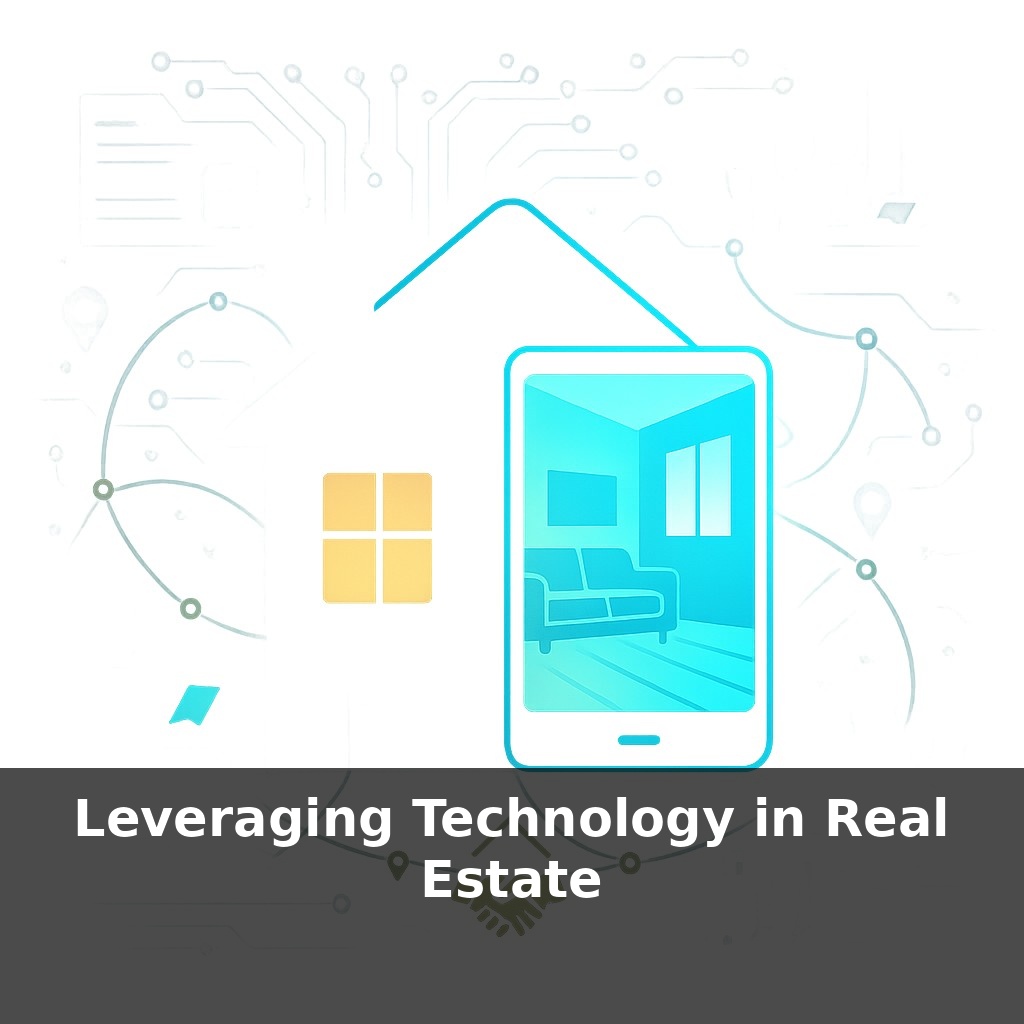
Nearly 8 in 10 buyers now click through a virtual tour before they ever touch a front door. A first‑time buyer in pajamas, a seller three states away, and an agent at an airport gate can now walk through, negotiate, and sign–all without sharing the same zip code.
A quiet shift is happening behind the listings you scroll past: the entire “guts” of a deal is turning into software. Not just the tour you tap through, but the way offers are ranked, countered, and accepted; the way deposits move; even how ownership is recorded. Cloud platforms now track every change in an offer like a shared Google Doc, so no one is hunting for the “latest” version in their inbox. E‑signature tools are chaining those documents together into a clean, court‑ready trail. And in a few test markets, counties are experimenting with blockchain records to log who owns what, and when, in near real time. For a first‑time buyer, this isn’t about chasing the newest gadget; it’s about deciding how much of your purchase journey you’re comfortable running through these digital rails—and how to make those tools work for you instead of overwhelming you.
Some of the biggest decisions you’ll make aren’t about which house to buy, but which screens you’ll trust along the way. Listing photos used to be the whole story online; now they’re just the cover. Behind them sit dashboards that track how many buyers favorite a home, how quickly similar places go under contract, and how often prices get cut in that neighborhood. Agents can watch this data update live and adjust strategy mid‑week instead of waiting for a Sunday open house. For you, that means learning to read these signals the way drivers learn to read traffic patterns, not just road signs.
Nearly 80% of buyers now start with a click, but the real shift is what happens after that first tap. Once you show interest in a place—save it, request a tour, ask a question—you’re stepping into a technology stack most people never see, but that quietly shapes your odds of winning a home.
On the “front” side, high‑resolution imaging and true 3‑D scans are narrowing the gap between screen and sidewalk. That’s not just about pretty visuals. It means you can seriously pre‑qualify homes before you ever burn gas or PTO, and sellers can focus in‑person showings on people who already know the layout, quirks, and flow. Matterport and similar providers claim big jumps in “qualified leads” for homes using these scans; whether or not those exact percentages hold, the direction is clear: better digital views attract more serious eyeballs.
On the “back” side, the negotiation is turning into structured data. When you hit “make an offer” in a portal, you’re not just emailing a PDF—you’re populating fields that can be sorted, compared, and summarized instantly. Sellers and listing agents can see who’s offering what terms (price, closing date, contingencies) in one place instead of sifting through attachments. For you, that can cut the time between “we love it” and “offer submitted” from days to hours, which matters in markets where homes go pending in a weekend.
The legal infrastructure has also raced to keep up. Platforms like DocuSign and Notarize aren’t fringe tools anymore; they’re processing enormous volumes of real‑estate documents daily, backed by laws that give properly executed electronic signatures the same weight as ink in most jurisdictions. In a few areas, even the notarization and closing funds can move entirely online, turning what used to require coordinated office visits into a scheduled video call plus a secure transfer.
Title and records are the slowest piece to modernize, but experiments with blockchain‑based property logs hint at a future where verifying ownership takes minutes instead of a long email chain and a week of waiting. You won’t feel that everywhere yet, but as more counties adopt these systems, the “dead time” between offer and keys could shrink—and with it, some of the uncertainty that keeps buyers up at night.
Think of your tech options as different “gear sets” you can shift into depending on how intense the search gets. At the lightest level, you’re just browsing: you might favorite a few places, skim disclosures, and use built‑in calculators to see how payment changes if you tweak the down payment or interest rate. Step it up a notch and you’re using neighborhood layers—school zones, commute overlays, noise or flood‑risk maps—to quickly rule out streets that don’t fit your daily life, not just your budget.
When you’re getting serious, many agents can grant you access to collaborative tools where you and a partner react to the same shortlist, comment on specific rooms, and tag must‑fix issues. That running thread often becomes the backbone of your offer strategy. In fast markets, some teams set up “offer templates” with your preferred closing date, inspection period, and contingency posture pre‑agreed, so when the right place hits, you’re adjusting a few fields instead of starting from zero while everyone else is already circling.
Tech is quietly shifting power toward whoever learns to “read” its signals fastest. AI value estimates will start to react like weather maps, hinting where prices might gust next. Metaverse-style previews could let you compare unfinished buildings the way some people track fantasy sports stats. Smart-contract slices of buildings may act more like playlists than portfolios—small, curated bets. And energy-modeling overlays might nudge demand toward homes that cost less to run, not just less to buy.
As these tools spread, the real advantage won’t be owning the fanciest app, but knowing when to step in and when to step back. Use the data as headlights, not a GPS that dictates every turn. Stay curious about new features your agent or lender offers, and treat each click as a choice about speed, risk, and how involved you want to be in the deal.
Before next week, ask yourself: “Which part of my current workflow (lead follow-up, listing presentations, or market analysis) wastes me the most time, and what specific tech tool from the episode (like a CRM, AI writing tool, or virtual tour app) could replace or streamline that step today?” “If I committed to mastering just ONE tool mentioned in the episode over the next 30 days, which one would have the biggest impact on my pipeline, and what’s the exact first thing I need to do today to get started (e.g., set up an account, import contacts, build one template)?” “Looking at my last five client interactions, where could smart use of tech (automated text follow-ups, personalized video updates, data-rich market reports) have made me look more professional or responsive, and which of those will I test in my next conversation?”