A profitable company can still run out of money and die. That’s the paradox we’re unpacking today. One quiet report—the cash flow statement—often predicts trouble long before earnings do. Stay with me as we follow where the money actually moves, not just what the profits claim.
On paper, numbers can look calm and orderly—neat columns, tidy subtotals, impressive growth rates. But beneath that surface, the timing of money moving in and out can be chaotic. A customer pays late, a supplier demands early payment, a loan covenant tightens, a tax bill lands right when you’re funding a big project. That messy, real-world rhythm is exactly what today’s report helps you see.
As we layer this onto your understanding of balance sheets and income statements, we’re shifting from “What does this business own and earn?” to “Can it actually survive the next 90 days and fund the next 5 years?” We’ll connect the dots from operating activity to long-term strategy, and show how great companies quietly use this tool to stay resilient when conditions turn.
Some of the strongest brands in the world nearly collapsed not because customers vanished, but because their bank balance did. As you go deeper into this report, think less like an accountant and more like a pilot watching fuel gauges. Two planes might leave with the same number of passengers and ticket sales, but only one has enough fuel arranged for turbulence, detours, and delays. In finance terms, that “fuel plan” shows up in how a business funds inventory, manages payment terms, chooses when to borrow, and decides which bets to reinvest in—and which to quietly walk away from.
If you only remember one new idea today, make it this: healthy businesses are usually built on **cash generated from the core business itself**, not from constant borrowing or fundraising. The cash flow statement shows you how much of that “self-funding engine” actually exists.
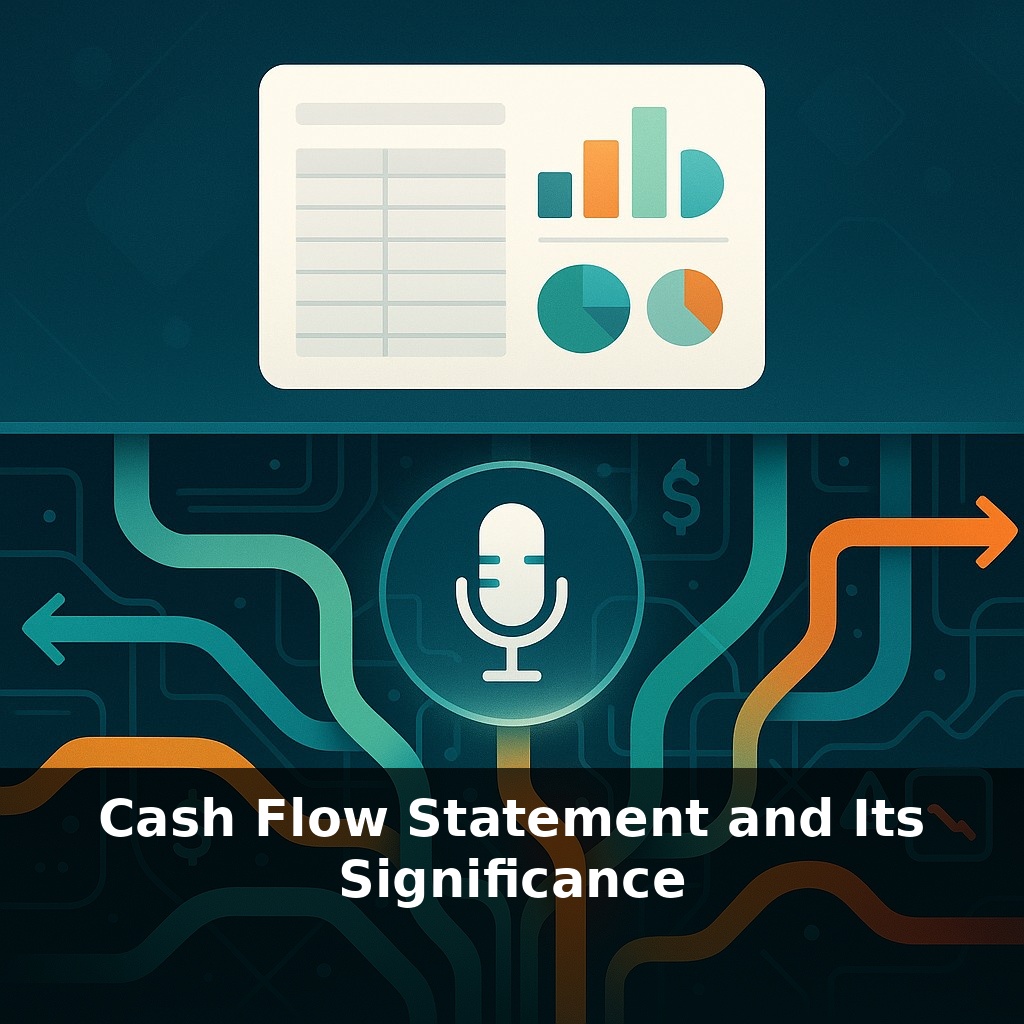
The statement is split into three sections: **Operating**, **Investing**, and **Financing**. You’ve already met the first one in earlier sections, so let’s lean into the other two and, more importantly, what their *patterns* reveal.
**Investing activities** show where the business is placing long-term bets: buying equipment, developing data centers, acquiring startups, or selling off old assets. When Apple spends billions building chips or Amazon pours money into warehouses, it shows up here as cash going out. That’s not “bad news” by itself—some of the best-performing companies regularly show *negative* cash from investing because they’re planting seeds for future growth.
But here’s the nuance: analysts watch whether those investments are being **fed by operating cash**, or by repeatedly issuing stock and taking on more debt. When Amazon highlighted free cash flow per share in its 2014 letter, the message was: “We’re building AWS and other bets largely with money we earned, not just money we raised.”
**Financing activities** reveal how the company is being **propped up or paid back**. This is where you see cash from new loans, bond issues, share issuances—and cash going out for debt repayments, share buybacks, and dividends. A firm drowning in repayments here, while operating cash stalls, starts to look fragile. Conversely, a business quietly retiring debt and still returning cash to shareholders usually has real strength beneath the headlines.
Put the three sections together and you can ask sharper questions:
- Is growth being driven by cash the business makes, or by creditors and new investors? - Are big investment programs actually matched by a robust operating engine? - Are shareholder payouts coming from surplus strength or thin air?
Think of these sections as three lanes of a busy financial highway: the real insight comes from watching **how traffic flows between them over time**, not from any single year’s snapshot.
Think of a growing software startup. Its income statement looks stellar, but the cash flow statement shows a different story: customers are on generous annual contracts, yet pay slowly; meanwhile, the company pre-pays cloud infrastructure and signs a pricey office lease. In the **investing** section, you suddenly see a spike—new servers, acquisitions of tiny AI tools. The **financing** section shows a fresh equity raise just to keep the runway intact.
Contrast that with a boring utility company. Its **operating** section is steady, almost dull. In **investing**, you see recurring outflows for grid upgrades. In **financing**, instead of new debt, you see repayments and predictable dividends. The first firm is racing ahead on a winding road, headlights on high beam but fuel light blinking; the second is cruising a highway, rarely flooring the accelerator, but almost never stalling. The cash flow statement lets you choose which “journey” you’re actually comfortable betting on.
Some of the biggest shifts in finance will quietly show up here first. As payments go instant and banking data streams in real time, cash patterns will become as trackable as website analytics. Algorithms will flag stress weeks before a missed payroll, and investors will judge leaders on how they steer through those alerts. Your edge won’t be memorizing line items, but spotting when the “flow” stops matching the growth story being sold.
Treat this report like a travel log rather than a trophy case: it shows where resources truly went and how safely the trip continued. As you review companies—or your own venture—start asking, “If next quarter is stormy, does this pattern still hold?” That question turns static numbers into a living map of resilience and optionality.
Try this experiment: Pull your last three months of bank statements and, on a blank sheet or spreadsheet, reconstruct a simple cash flow statement with three buckets: Operating (sales in, rent/payroll/suppliers out), Investing (equipment/software purchases), and Financing (loan payments/owner draws). For the next 7 days, log every cash movement into one of those three buckets at the end of each day and total the columns nightly. At the end of the week, compare your “Operating” cash flow to your net profit from your accounting system and notice where they differ—then pick one surprising outflow (like subscriptions, owner withdrawals, or inventory buys) and adjust it for the next week to see how your daily cash totals change.