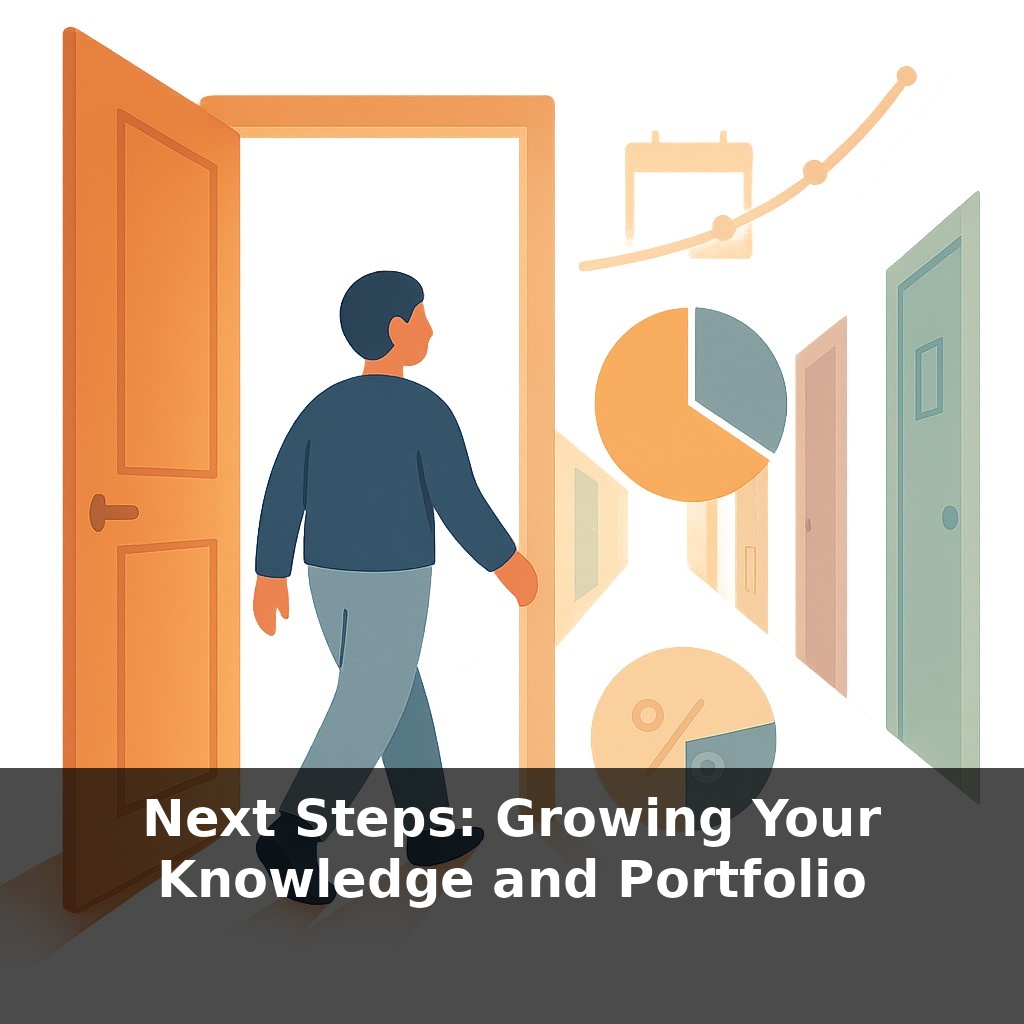
About half of people who start investing never move beyond the basics—yet most of the wealth in the markets is built by those who do. You’ve opened the first door; in this episode, we’ll step into the hallway of advanced moves, without jumping off the deep end.
Over nearly a century of data, a simple 60/40 stock–bond mix has earned about 8.8% per year—good enough to turn $10,000 into hundreds of thousands over a few decades. But here’s the twist: two investors with the *same* return profile can end up with wildly different outcomes, depending on what they learn, track, and tweak along the way. A 1% fee gap alone can quietly erase around a quarter of your final wealth over 30 years.
In this episode, we shift from “getting started” to “getting systematic.” You’ll see how regular portfolio checkups, smarter cost control, and gradual exposure to new asset types—like global REITs or simple options overlays—can boost risk‑adjusted results without turning you into a full‑time trader. The goal isn’t to become a Wall Street quant. It’s to build a repeatable learning loop so your portfolio—and your skill—both compound.
Many professionals treat investing like a career-long apprenticeship: CFA candidates routinely log around 300 hours of study per exam level, and that mindset—steady, structured learning—translates surprisingly well to individual portfolios. You don’t need exam-level intensity, but you *do* need a plan for how your knowledge will grow as your money does. That means tracking more than just returns. Think of noticing patterns in how your holdings behave in different markets, or how small changes to costs or allocations ripple through your long‑term projections. This is where curiosity turns into a real edge.
A 10% tweak to your allocation or a small shift in costs won’t feel dramatic this year—but over decades, those tiny calibration moves are where a lot of the edge lives. The tricky part is knowing *what* to change and *when*—without turning your portfolio into a science project.
Start with measurement. Instead of just checking your balance, begin tracking three things a couple of times a year: 1) Your actual allocation vs. your target (are you drifting into more risk than you meant to take?). 2) Your all‑in costs—fund expense ratios, advisor fees, trading commissions, and even hidden drags like frequent bid–ask spreads. 3) How your portfolio behaved in stress moments (2020, 2022, or the next big wobble): did you sleep at night, or obsess over every red day?
This is where diversification becomes more nuanced. Owning 25 different U.S. stock funds that all move together is just a louder version of one bet. Adding assets that respond differently to interest rates, inflation, and global growth—like international stocks, REITs, or inflation‑linked bonds—changes the shape of your risk, not just the number of line items.
Think in “modules” instead of individual positions. You might have: a core equity sleeve, a defensive income sleeve, and a “satellite” sleeve for more specialized ideas. That last piece is where advanced tools live: factor funds (low‑volatility, quality, value), covered‑call ETFs, or even a small allocation to managed futures. None of these are mandatory; the point is to know *why* each module exists and what role it plays.
Like a doctor tracking a few vital signs rather than every possible lab test, you’re aiming for a short list of key indicators that tell you if your plan is working: are you on pace for your long‑term goal? Is your downside in rough years tolerable? Are you being paid enough—in expected return or risk reduction—for every layer of complexity you add?
Over time, you’ll notice something subtle: your confidence won’t come from predicting markets better, but from understanding your own system well enough that volatility feels like weather, not a personal verdict.
Think of this phase like stepping from “learning to cook” into actually running your own small kitchen. Early on, you follow recipes exactly—later, you start adjusting heat, seasoning, and timing because you’ve watched how dishes behave. In practice, that could mean running a simple “tasting menu” in your portfolio: testing a 5% slice in a new factor fund for a full market cycle before committing more, or shadow‑tracking an allocation in a spreadsheet for a year before using real money.
You might also borrow a habit from pros: keeping a brief “investment log.” Each time you change something, jot down what you did, why, and what you expect might happen in rough, normal, and great markets. When you look back in two years, patterns emerge—maybe you consistently underestimate how sharp downturns feel, or you notice that your most thoughtful decisions share a few common traits (clear thesis, defined time horizon, modest position size). That’s how small adjustments turn into durable skill.
A 60/40 portfolio that quietly compounds for decades can still fall behind a slightly smarter, lower‑cost, better‑diversified version of itself. The gap rarely comes from one big bet; it comes from years of tiny, informed upgrades. That’s where ongoing education and tools like open‑finance dashboards or personalized indexing matter: they turn vague curiosity into specific experiments you can actually track and refine, instead of just hoping “long term” solves everything.
Your challenge this week: Pick one “next‑level” topic—REITs, factor funds, or personalized indexing. Then:
1) Find and save two solid, non‑promotional resources on it (one article, one video or podcast). 2) Open your actual brokerage or 401(k) and ask: “Where *could* this fit—and what would it replace?” 3) Sketch a tiny test allocation (even just on paper). Don’t invest yet; refine the idea until you can explain its role in two sentences.
Over time, your notes, tiny tests, and course bookmarks become a kind of investing cookbook—full of recipes you’ve tweaked for your own tastes and risk tolerance. You’re not chasing the “perfect” dish; you’re learning which ingredients consistently work for you. That curiosity, backed by data, is what quietly turns a basic portfolio into a durable wealth engine.
Try this experiment: pick one tiny project from the episode—like redesigning a single app screen, refactoring a messy code snippet, or recreating a chart using the new data-viz technique they mentioned—and give yourself exactly 90 minutes to execute it start-to-finish. Before you begin, quickly rate (1–10) how confident you feel about that skill, then do the work using only the resources they recommended (courses, blogs, or tools referenced in the episode). When the timer ends, publish the result somewhere public (GitHub, Dribbble, Behance, LinkedIn post) with a 3-sentence description of what you tried from the episode. Tomorrow, re-rate your confidence and compare it to today’s number to see how much that focused, episode-inspired sprint actually moved the needle.