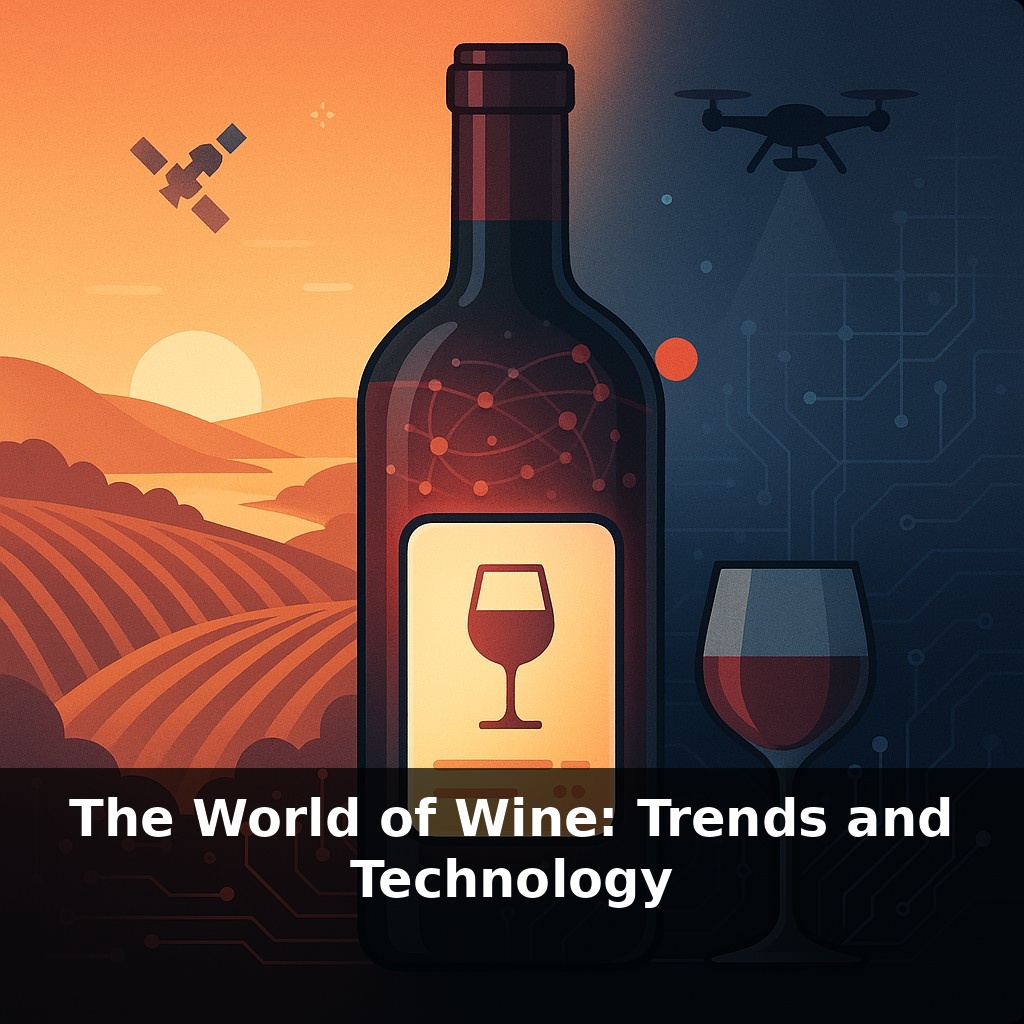
Some of the most traditional bottles on the shelf are now built on drones, data, and apps. A few taps on your phone can bring wine from a vineyard guided by artificial intelligence straight to your door. Old-world romance, new-world technology—quietly swirling in the same glass.
Wine used to be all about place: a hillside in Italy, a river valley in France, a dusty road in Argentina. Now, that same bottle might also be about a satellite image, a drone flight, or a late-night app scroll on your couch. The vineyard manager checks vine health from a tablet instead of walking every row. The winemaker tweaks picking dates because a heatwave alert popped up on their phone. You, standing in the shop, point your camera at a label and watch it come alive with stories, pairing tips, even the winemaker talking to you through augmented reality. Meanwhile, a quiet logistics engine decides whether that exact wine is cheaper to ship from a warehouse in your city or from halfway across the country. We’re still drinking fermented grape juice—but the route it takes to get to your glass has never been more high-tech, or more invisible.
The scale of this shift is huge: the global wine market was worth about US$340 billion in 2022, and more of that money is now flowing through screens instead of store aisles. E‑commerce is the fastest‑growing sales channel, which means a small producer in Chile or Portugal can suddenly appear next to big brands in your search results. In the vineyard, drones can scan 50 hectares in the time it takes you to drink a glass, spotting stressed patches the human eye would miss. In the cellar, new techniques help winemakers cope with hotter summers and erratic harvests, protecting both flavour and livelihoods.
Walk into a modern vineyard and you’ll see stakes, leaves, soil… and, quietly, a lot of hidden circuitry shaping what ends up in your glass. One big shift is how growers now treat each corner of a plot differently. Instead of watering or fertilising everything the same way, they split vineyards into tiny “micro‑zones” based on how vines actually behave through the season. One strip might ripen a week earlier and need more shade; another might be cooler and better for crisp acidity. That level of fine‑tuning helps keep style consistent even when summers swing from cool and rainy to scorching and dry.
Climate pressure is forcing new decisions long before grapes hit the cellar. Some estates in Bordeaux are planting grapes historically associated with warmer regions—Touriga Nacional, Marselan—to future‑proof classic blends. In cooler places, the opposite is happening: picking a bit later, leaving more leaves around bunches for warmth, or choosing slightly different clones of familiar varieties so flavour doesn’t drift too far from what drinkers expect.
Once grapes arrive at the winery, the quiet experimentation continues. You’ll hear more about “lower‑alcohol” or “lighter” wines—not just because of health trends, but because super‑ripe grapes can easily push alcohol levels higher than many people enjoy. Winemakers have started playing with earlier picking, gentler extraction, and alternative vessels like concrete eggs or large old casks to keep texture silky without turning the wine into a fruit bomb.
On the shelf—or your screen—labels are becoming less like static badges and more like interactive menus. Some bottles now show nutrition info and ingredient lists via QR code; others surface vineyard maps, sustainability certifications, or side‑by‑side comparisons with similar wines. For producers, that’s a way to stand out in a crowded online search result; for you, it’s a shortcut to figuring out whether the wine is crisp and salty or lush and oaky before you commit.
All of this clashes with a persistent myth that innovation somehow cancels “real” wine. In practice, the estates leaning into new tools are often the ones obsessing most over site character and consistency. Their goal isn’t to iron wines into sameness, but to navigate wilder weather and global competition without losing the accent of where they’re from.
Think of how your bank app quietly categorises every coffee and rent payment. In a similar spirit, some wineries now tag tiny vineyard parcels by flavour “profiles” rather than just grape or block numbers—one corner files under “citrus and salt,” another under “dark cherry and spice.” That lets them blend with surgical precision, aiming for a consistent house style even when the season misbehaves. On the consumer side, recommendation engines are becoming less like generic “people also bought” lists and more like a personalised wine budget: tools that learn you love high‑acid whites but only on weeknights under $20, nudging you toward bottles that fit. Big players are already experimenting. Concha y Toro has layered satellite data onto historical tasting notes to spot new plots that could mimic flagship wines, while platforms like Wine.com combine reviews, your browsing history, and real‑time stock to surface surprisingly niche bottles you’d never see in a neighbourhood shop.
Soon you might track a favourite bottle like a package: transparent routes, verified origins, even stored “birth certificates” that flag fakes before they hit auctions. Genetic tweaks could mean classic grapes that shrug off mildew, slashing sprays while keeping familiar flavours. At the same time, slimmer, reusable bottles and refill points may quietly chip away at glass’s dominance, while small estates lean on clubs and tasting communities, turning loyal drinkers into something closer to members than customers.
As these tools evolve, the winelist on your phone could feel more like a playlist: mood‑based picks, seasonal “new releases,” even friends’ favourites surfacing when you scan a menu. Your role shifts from decoding labels to curating experiences—choosing when you want comfort, when you want surprise, and letting the hidden systems handle the heavy lifting.