Some doctors now choose your cancer drug *before* you ever feel sick—based only on a tiny readout of your DNA. In today’s episode, we’ll step into the exam room of that near future, where your genome could matter as much as your symptoms.
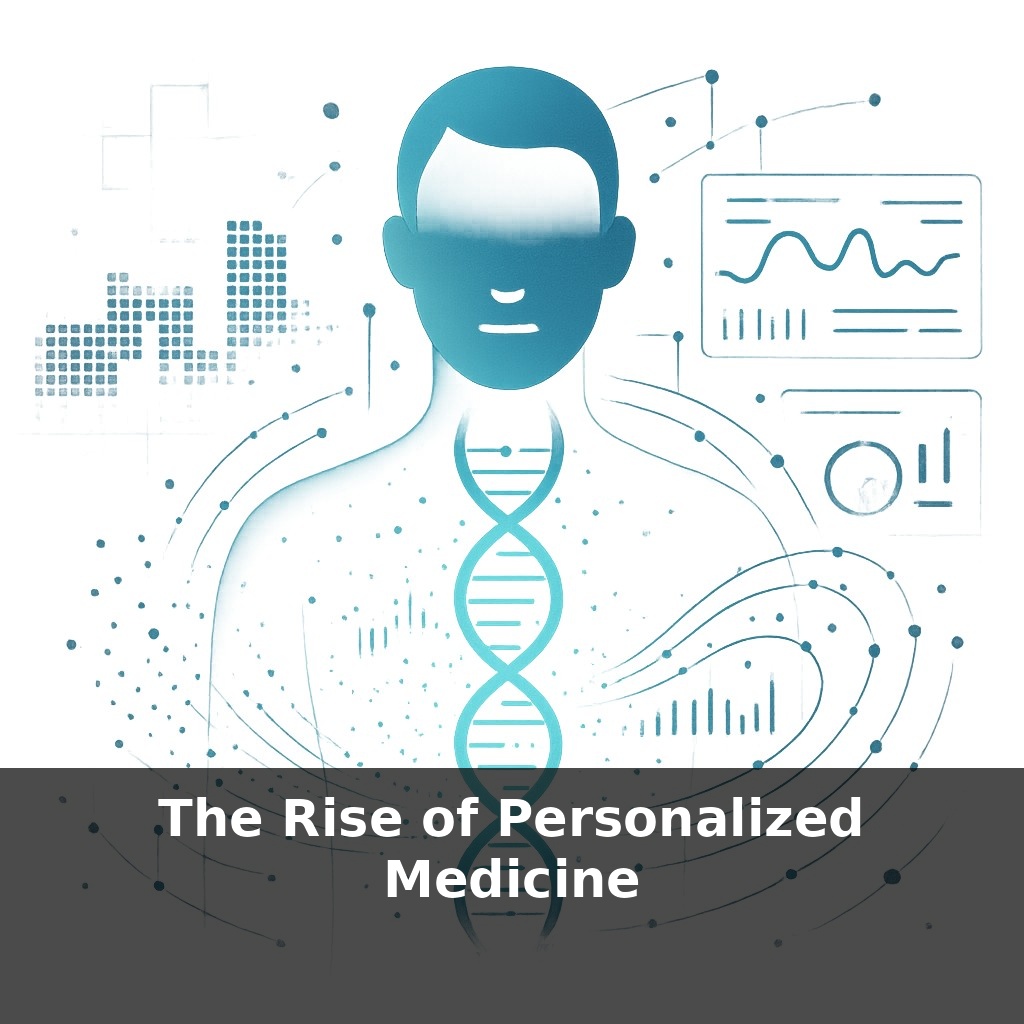
Now zoom out from that exam room and look at the bigger shift: medicine is quietly turning into a data problem. Hospitals are no longer just places with beds and beeping monitors—they’re becoming giant sensors, streaming lab values, imaging, lifestyle data from wearables, and yes, your sequencing results into algorithms that try to answer a simple question: “What will work for *you*, right now?”
We’re entering an era where two people with the same diagnosis might walk out with entirely different treatment plans, doses, and even prevention schedules, because software has matched their molecular profiles to global outcome databases. It’s less about following a standard recipe and more like a smart cooking app that adjusts heat, timing, and ingredients in real time based on what’s actually in your kitchen and how you like to eat.
But underneath the buzzwords, personalized medicine is also an economic and ethical earthquake. When the cost of reading a whole human genome drops from “only governments can afford this” to “cheaper than a high-end phone,” decisions start to shift from rare, last‑resort testing to routine planning. Insurers begin to ask: which tests prevent the most expensive illnesses? Regulators must decide: which genetic claims are solid enough to shape prescribing rules? And patients face a new tension: the more intensely care is tailored, the more sensitive data they have to trade for that precision.
Here’s where the buzzword “precision” stops being abstract and starts changing what happens when you sit in front of a clinician.
On the most basic level, it reshapes *who* gets what drug. Take clopidogrel, a common blood thinner after stent placement. For years, everyone got the same pill, same dose. Then researchers noticed a stubborn pattern: a sizable slice of patients were still having heart attacks and strokes. When labs started checking a gene called CYP2C19, they found that roughly one‑third to one‑half of patients carry variants that blunt the drug’s effect. Same prescription, wildly different protection. Today, in many heart centers, a quick genetic test can nudge your doctor toward an alternative drug before your blood ever has a chance to “ignore” the standard option.
Oncology is pushing this logic the furthest. Instead of starting with “breast cancer” or “lung cancer” as one uniform disease, drug developers increasingly start with a biomarker: a particular mutation or expression pattern that a tumor is “addicted” to. That’s why about 40 percent of new cancer drugs in the FDA pipeline are now biomarker‑driven. The label might read less like “for all lung cancer” and more like “for tumors with this specific molecular signature, regardless of where they started.”
Outside cancer, the toolkit is exploding too. More than 75,000 commercial genetic tests now claim to flag everything from inherited heart risk to how you metabolize antidepressants. Some are clearly clinical; others live in a murkier, consumer‑wellness gray zone. Meanwhile, an entire industry has emerged around turning these readouts into business models: the precision‑medicine market was worth around 79 billion dollars in 2022 and is projected to grow at double‑digit rates this decade. Pharma companies use genomic data to decide which drug candidates to pursue. Startups build decision‑support software that plugs into hospital records. Insurers quietly test pilot programs where coverage depends on having the “right” biomarker.
Yet the picture is still messy. Many detected variants do… nothing we can reliably interpret. Lifestyle and environment can amplify or mute genetic risk in ways we don’t fully map yet. And “tailored” care often means being sorted into a smaller, better‑matched subgroup—not receiving a molecule engineered uniquely for you.
Picture a routine clinic visit a decade from now: before renewing your statin, your doctor quietly checks a panel showing how your liver usually handles medications, your typical exercise load from your watch, and a couple of blood markers. Instead of bumping your dose “because guidelines,” they tweak it by a few milligrams, knowing your specific combo makes you more prone to muscle side effects on higher doses.
Or consider anesthesiology. Today, dosing is still often based on weight and rough experience. In a precision setup, an alert might flash if your record shows a variant linked to malignant hyperthermia—prompting a different drug mix *before* you’re ever wheeled into surgery.
Outside hospitals, employers may eventually offer “pharmacogenomics passports” as a perk, so the first antidepressant you try is statistically more likely to help, rather than rolling through months of trial‑and‑error.
Your challenge this week: scan one medication or supplement label you use and ask, “Could my response to this plausibly vary by biology?” Then, check if any credible tests or biomarkers are already linked to that drug.
Soon, treatment tweaks could feel more like software updates than hospital events—small, frequent, and pushed before anything crashes. One path leads to “n = 1” therapies, custom‑built in weeks for ultra‑rare conditions. Another weaves AI into every decision, quietly ranking which option fits you best today. But there’s a catch: if only wealthy, well‑represented groups supply the training fuel, the upgrades arrive fastest where they’re needed least.
As this unfolds, your health record starts to look less like a static file and more like a living playlist—constantly remixed as new studies drop and patterns emerge in people like you. The frontier isn’t just predicting which pill fits, but when to intervene, or when to leave well enough alone, so care feels timely rather than endlessly reactive.
Start with this tiny habit: When you brush your teeth at night, tap open your patient portal app and glance at just one lab result (like your last cholesterol or A1C number) without trying to interpret it. The next morning, when you unlock your phone for the first time, type a single, specific question about that result into your notes app (for example, “Ask Dr. Lee if my vitamin D level is okay for my age”). When you drink your first glass of water of the day, take 10 seconds to set a reminder on your phone for your next preventive screening that the episode mentioned (like a genetic test discussion or a medication review).