The last time Earth was this warm, there were no cities, no smartphones, no you or me. Now, thermometers, satellites, and even ancient ice are all telling the same story. You’re standing in the middle of a global experiment that started long before you were born.
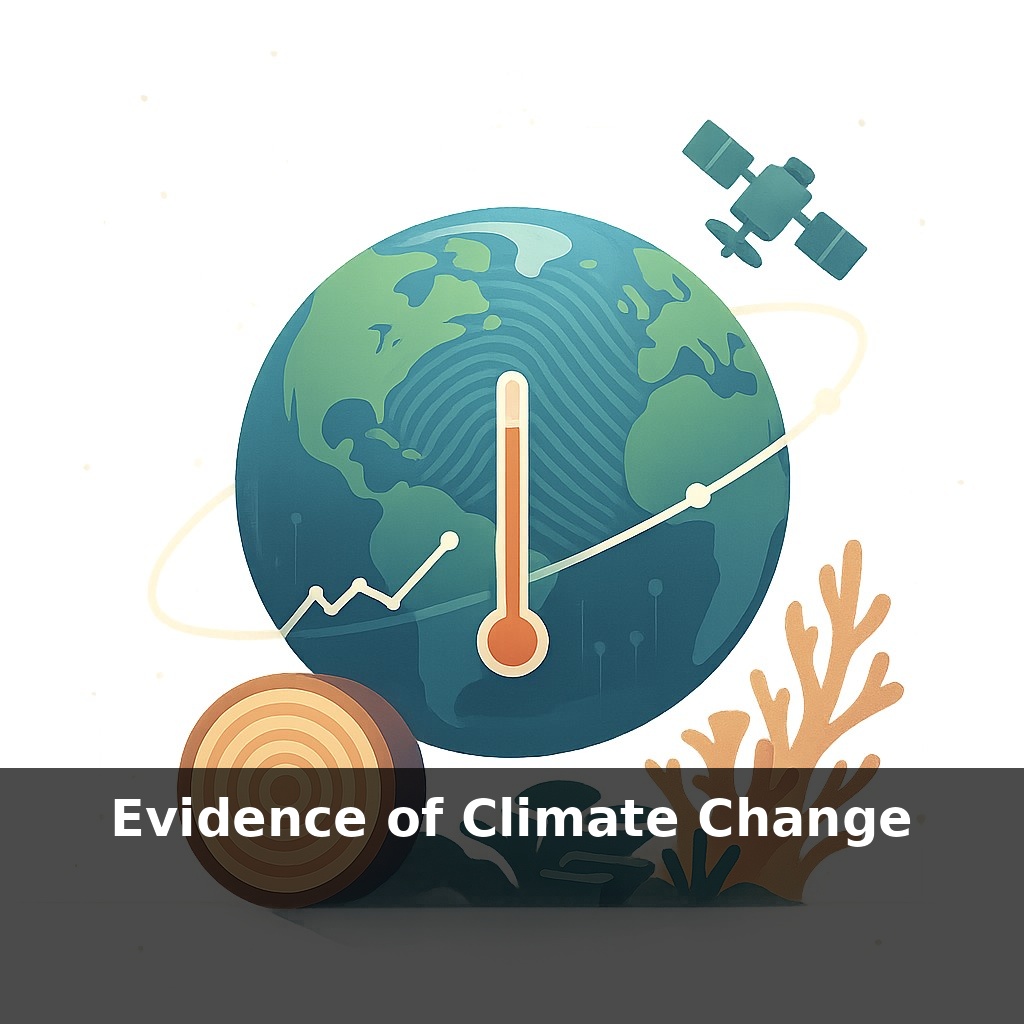
This experiment has left fingerprints everywhere, if you know how to look. Tree rings quietly record summers that ran too hot and dry. Coral reefs, like living skyscrapers, stack up layers that track changes in ocean warmth and chemistry. High above, commercial flight paths are shifting as jet-stream winds and turbulence zones subtly rearrange. Down on the ground, allergy seasons are creeping earlier, and nighttime temperatures aren’t dropping as much, giving cities less chance to cool off. Farmers are adjusting planting calendars that worked for generations, because the seasons no longer behave quite the same. Fire managers are rewriting “typical” fire seasons as blazes grow larger and burn longer. Each of these changes is a separate clue, but together they form a pattern you can’t dismiss as coincidence.
Fish are migrating into new waters, following temperatures their ancestors never felt. Ski resorts are stringing snow guns along slopes that once relied on reliable winters. Insurance companies quietly rewrite risk maps as “once in a century” floods arrive two or three times in a single generation. City planners raise seawalls while coastal roads buckle from saltwater bubbling up through drains. Power grid operators now plan for heatwaves that stress transformers like overworked athletes. Even wine regions are creeping uphill and poleward, chasing the climate that made their grapes famous in the first place.
A warming world doesn’t just tweak the thermostat; it rearranges almost everything built around yesterday’s climate. Those shifting ski seasons and flood maps are signals that our basic assumptions about “normal” weather are going out of date.
Start with water. As glaciers and ice sheets shrink, the extra meltwater doesn’t stay politely in place. It flows into oceans that are also expanding as they warm, lifting sea levels high enough to push salt into freshwater wells, creep into subway tunnels, and redraw coastlines on human timescales. Low‑lying islands are planning partial relocations within a single lifetime; some coastal neighborhoods already see “sunny‑day flooding” when high tides slosh over curbs even without a storm.
Heat piles up in the oceans first, and that has knock‑on effects. Warmer surface waters supercharge some storms, loading them with more moisture so that when rain falls, it falls harder. In other regions, shifting atmospheric patterns stall systems in place, turning what would have been a passing downpour into a days‑long flood, or a dry spell into a record drought. Insurance companies aren’t just being cautious—they’re watching claim statistics climb and adjusting premiums to match.
On land, plants and animals run into deadlines they can’t always meet. Flowering times, insect hatches, and bird migrations used to line up like a carefully rehearsed orchestra. As seasons skew warmer, those cues drift out of sync: birds may arrive after peak food has passed; crops may face pests that survive winters that are no longer reliably cold. Farmers who once relied on local experience now check shifting “hardiness zones” and experimental seed varieties to keep yields stable.
Human health threads through all of this. Heatwaves grow longer and more humid, turning cities into pressure cookers where nighttime offers less relief. Hospital admissions rise for heat stress, kidney problems, and heart conditions. Warmer conditions help some disease‑carrying insects expand their range, nudging tropical illnesses toward places that never had to plan for them before.
The core evidence isn’t any single event, but the way so many independent systems—from ice and oceans to harvests and hospital data—are all tilting in the same direction, at the same time, faster than natural cycles can explain.
In cities, one of the clearest signals is underground. Subway systems in places like London and Seoul are warming as heat from trains and passengers accumulates in tunnels originally designed for a cooler baseline. Engineers now model “underground climate change” because hotter tunnels can warp concrete and steel over decades. Farther above, high‑altitude research balloons and commercial aircraft carry instruments that track how the upper atmosphere is cooling even as the surface warms—an expected fingerprint of greenhouse‑gas‑driven change, not just a random warm spell. In the oceans, long‑running “sentinel” reefs and deep‑sea sensors quietly log marine heatwaves that don’t always make headlines but reshape ecosystems all the same. Even stable‑looking permafrost regions are being wired with temperature probes and gas monitors, because when frozen ground thaws, it can buckle roads and release long‑trapped carbon. None of these systems care about politics; they just record the physics playing out.
Power grids, housing codes, and even restaurant menus are quietly being rewritten by this new climate. Think of cities testing reflective rooftops like swapping dark T‑shirts for light ones on a blazing day, or architects treating shade as carefully as light. Vineyards shift uphill; ski towns invest more in mountain biking than snowmaking. As these adjustments stack up, they form a kind of “shadow map” of risk, revealing which places and systems are betting on a hotter normal.
The story isn’t finished; we’re still writing the next chapters. Climate models are like draft screenplays, sketching different plots depending on the choices we make about energy, land, and consumption. Your challenge this week: notice one way your daily routine leans on a stable climate—then imagine how you’d tweak it if “normal” kept shifting.