A hospital found that a short empathy class boosted patient satisfaction by about a third. Now, jump to a tense meeting at work: one coworker says, “I’m so sorry for you,” another says, “I’m right here with you.” Same problem, two replies. Only one deepens trust. Which one?
That difference between “for you” and “with you” shows up everywhere: in how a manager handles a missed deadline, how a friend responds to your breakup, even how a stranger reacts when you trip on the sidewalk and drop your coffee. Many people assume they’re being kind, yet leave the other person feeling oddly alone—thanked politely, but not really *met*. The twist is that our brains aren’t neutral in these moments. They quietly choose between tuning into another’s feelings or stepping back into evaluation mode: “That’s tough,” versus “That’s tough *and* I’m staying in it with you.” Over time, those tiny choices shape whether people come to you with real problems or stick to small talk. In this series, we’ll zoom in on those micro-moments—at home, work, and in crisis—and practice shifting from distant concern to grounded, sustainable presence.
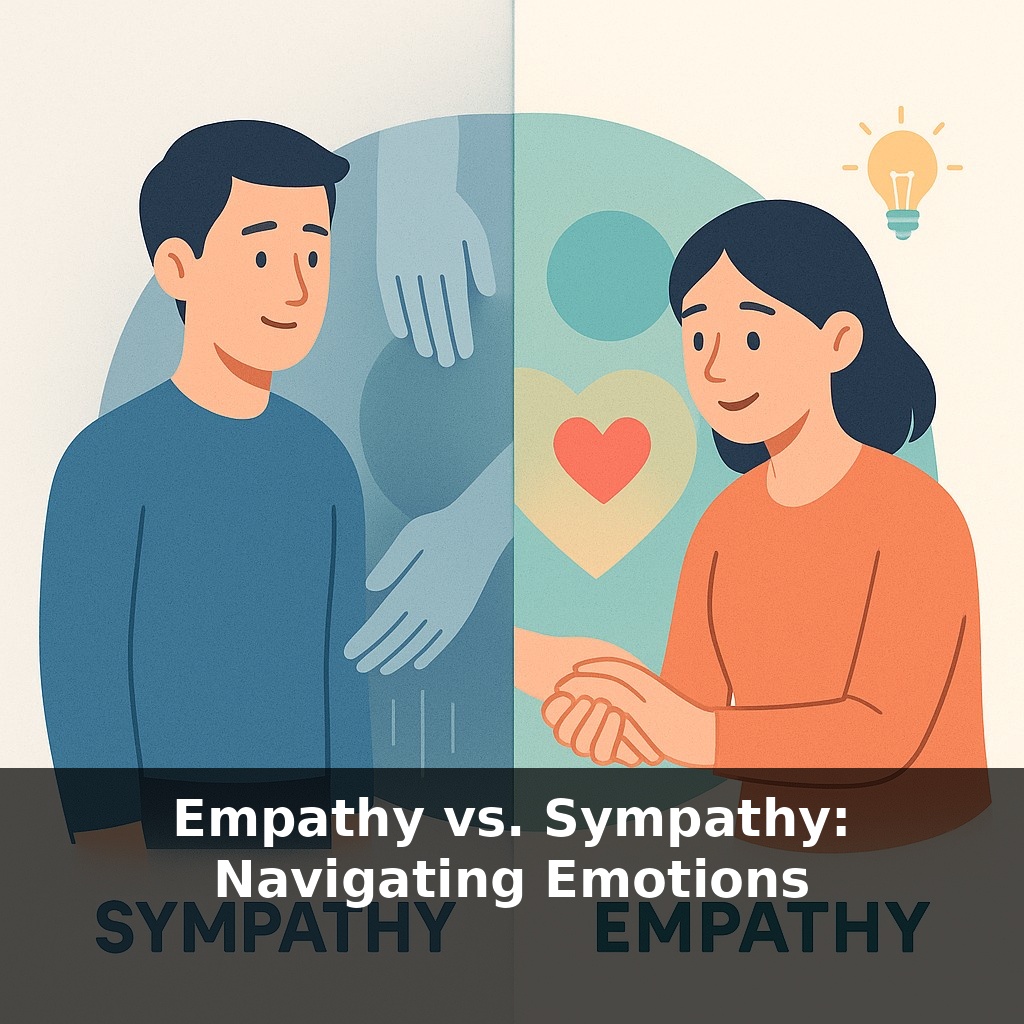
Think of this as learning a new “emotional language” with two closely related dialects. In brain scans, one cluster of regions lights up more when we resonate with another’s pain; a neighboring network kicks in when we step back and care from a slight distance. Both are useful, but they send different signals in daily life. In a status meeting, “Tough sprint, but we’ll fix the process” lands differently from “That sounded rough—what was hardest for you?” The first manages the problem; the second meets the person. Over this series, we’ll practice when and how to switch channels on purpose.
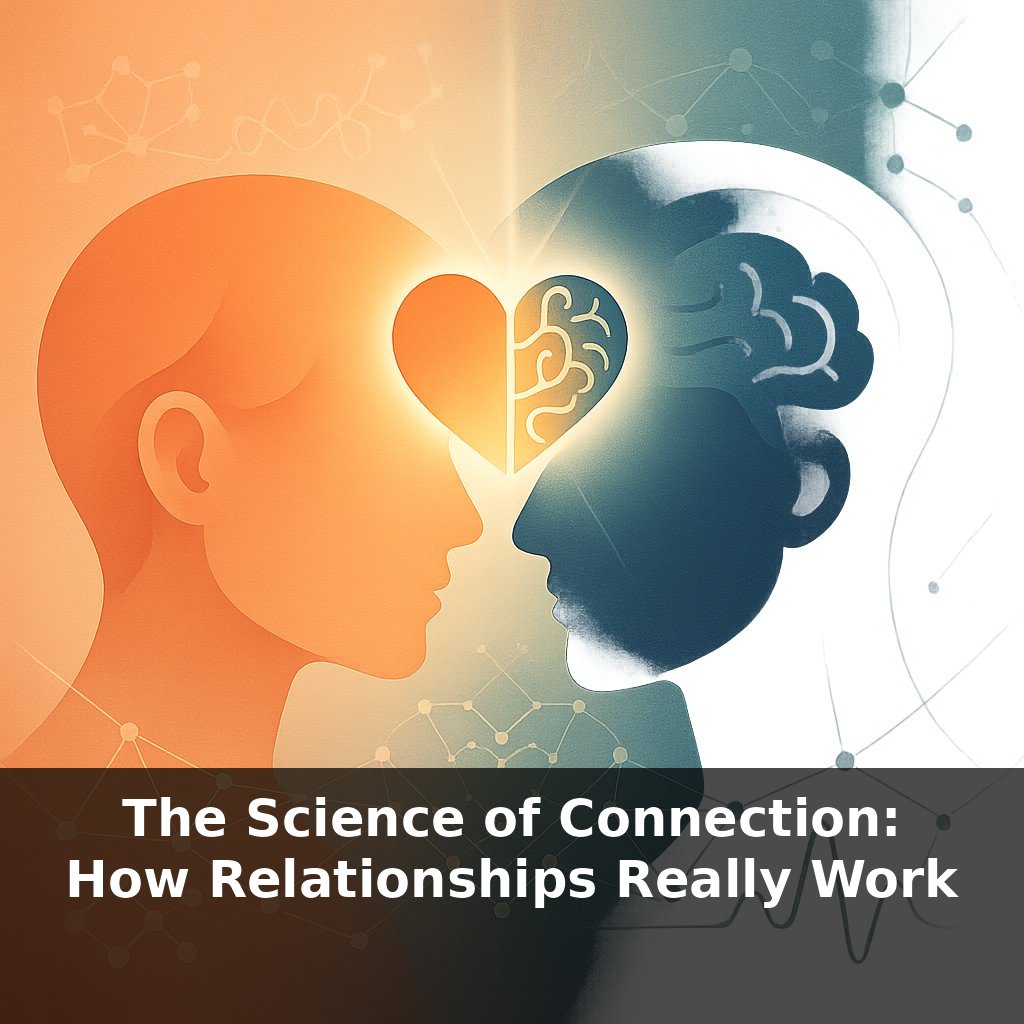
When researchers slide people into MRI scanners and show them images of someone in pain, one set of regions tends to flare when we *resonate* with that pain; another, partly overlapping set activates when we adopt a more evaluative, caring stance. That overlap explains why empathy and sympathy get blurred in everyday talk; the differences in patterns explain why they feel so different from the inside—and land so differently for the other person.
Affective empathy is that visceral tug in your chest when a teammate’s voice shakes during a status update. Cognitive empathy is the mental “click” when you grasp *why* the situation hits them so hard. Sympathy might show up as, “That’s rough—let me know if you need anything,” delivered from a safe emotional distance. None of these is “wrong.” The skill is knowing which gear you’re in, and when to shift.
In health care, for instance, clinicians who stay only in sympathy can sound polished yet cold: “These side effects are common, unfortunately.” Patients may follow instructions but withhold fears or early warning signs. Swing too far into raw affective empathy and the clinician starts absorbing every distress signal; over months, that constant emotional download predicts higher burnout. The sweet spot is flexible: briefly joining the patient’s emotional world, then returning to a steadier stance that can organize care.
The same dynamics play out in offices and living rooms. An empathetic manager doesn’t just say, “Deadlines are stressful.” They register how *this* deadline intersects with a person’s sick parent or new role, then use that understanding to negotiate workload or expectations. An empathetic friend doesn’t need to have gone through the same breakup or layoff; cognitive empathy lets them say, “I haven’t lived this, but I can see why it hits your sense of identity so hard.”
Think of leadership or caregiving like managing a soundboard: empathy is the channel that lets you hear the emotional “track” clearly; sympathy is another channel that adds stability and perspective. Effective connection isn’t about maxing one knob—it’s learning to move both, deliberately, in real time.
A software team hits a release bug at 11:30 p.m. One lead Slacks, “Yikes, that’s rough. Try to get some rest.” Another jumps into the call, listens, and says, “Walk me through what you’ve tried—I’ll stay on with you for 30 minutes and then we’ll decide what’s safe to ship.” Notice the second response doesn’t just *notice* distress; it joins, then helps steer. The tone isn’t heavier, just closer.
Or take a parent hearing, “I hate school.” A distant reply sounds like, “Middle school is hard for everyone.” A closer one sounds like, “Something must’ve really stung today. Want to tell me, or just sit here for a bit?” Same adult, same day, different “channel mix” in use.
One way to picture this is like a basketball coach on the sideline: they feel the tension of a close game, but they’re not sprinting the court. They’re close enough to read their players’ faces, far enough to call a timeout, change the play, or pull someone to the bench before exhaustion turns into injury.
Empathy–sympathy literacy is becoming a kind of “emotional infrastructure” for modern life. In hiring, leaders are starting to treat it less like a “nice-to-have” and more like cybersecurity: invisible when it works, catastrophic when it fails. Teams that can flex between these modes handle conflict more like a well‑run code review—firm on standards, gentle on people—turning flare‑ups into design input for how they collaborate, govern, and care for each other over time.
When you start noticing which “channel” you’re in, ordinary days turn into a kind of social lab: the tense stand‑up, the brief check‑in, the late‑night text all become test cases. Over time, you’ll see patterns—who opens up, who shuts down—and you can tune your defaults like a playlist, shifting tracks to fit the room instead of blasting one mood at everyone.
Before next week, ask yourself: 1) “The next time a friend shares something hard, will I catch myself saying ‘at least…’ or jumping into advice, and instead try one curious question like, ‘What part of this feels heaviest for you right now?’” 2) “When I scroll social media or hear tough news, do I stay safely distant with sympathy (‘that’s so sad’) or take one small empathic step—like checking in with someone directly affected and asking, ‘How are you really doing with all of this?’” 3) “Thinking about a recent conversation where someone opened up to me, if I replay it, where did I talk over their feelings—and what’s one specific phrase I could use next time (like ‘That sounds really lonely’ or ‘I’d feel overwhelmed too’) to sit with them instead of trying to fix it?”