A single confession letter once helped push Britain toward ending the slave trade. Centuries later, a TikTok tag called “redemption story” appears in millions of posts. Why are we so captivated when someone says, “I was wrong”—and then proves it with their life?
In everyday life, ethical transformation rarely looks dramatic. It’s the executive who quietly admits they cooked the numbers and then spends years rebuilding trust. It’s the former gang member tutoring kids on the same block where he once dealt drugs. These stories don’t just “sound inspiring”; they alter how we see what’s possible for ourselves. Narrative psychologists find that when people re-tell their moral failures as turning points, they’re not erasing the past—they’re editing the script of who they are now, and who they might become next. Listeners, meanwhile, often feel a subtle but lasting aftershock: a nudge to revisit excuses, to reinterpret “that’s just who I am.” Like a trail through dense forest that grows clearer each time someone walks it, each told story can make ethical change feel a little more thinkable for the rest of us.
Moral “update” stories aren’t just about guilt; they’re about direction. Some stay stuck in “I messed up” and loop endlessly, while others move toward “here’s how I’m living differently now.” That shift matters. Neuroscience studies show that when we hear specific details—dates, places, concrete actions—our brains simulate the experience, as if test‑driving that new identity ourselves. This is why restorative justice circles, recovery groups, and leadership programs don’t just share vague lessons; they trade in detailed scenes. The more textured the story, the easier it is for listeners to see their own next move.
Some of the most influential transformation stories look surprisingly ordinary on the surface. John Newton didn’t just say “I regret the slave trade”; he published a detailed pamphlet, naming ships, routes, and profits, then worked with abolitionists for years. Shaka Senghor didn’t stop at “I went to prison and changed”; he wrote about small humiliations, hard conversations, and the discipline of mentoring younger men inside. The ethical shift isn’t just in what they felt; it’s in the pattern of concrete choices they then made visible.
Research on “redemptive sequences” in life stories shows a common structure: people describe (1) a morally troubling situation, (2) the story they once told themselves to justify it, (3) the crack in that story—often a relationship, a loss, or a contradiction they couldn’t un‑see—and finally (4) an ongoing practice that embodies their new commitments. The crucial step is #3: some dissonant detail that doesn’t fit the old self‑image. Without that uncomfortable friction, the narrative often stays stuck in nostalgia or self‑pity instead of moving toward repair.
Listeners tend to overfocus on the emotional “epiphany” moment, yet the research emphasis falls on repetition. In restorative justice programs, participants tell and re‑tell their story at different stages: to facilitators, to peers, sometimes to those they harmed. Each version usually becomes more specific and less flattering. That progression—away from self‑protective gloss and toward honest complexity—predicts whether the change will last.
Another misconception is that these stories must be grand or public. In addiction recovery circles, someone might simply describe stealing from a sibling, the shame of being found out, and the routine of making amends and staying accountable. No bestseller, no viral clip—yet those narratives measurably shift group norms, making it harder for others to hide behind “everyone here is just as bad as me.”
Think of it less as a single plot twist and more as revising a long, messy draft: each honest paragraph constrains what the next one can credibly be.
A manager might describe a quiet Tuesday when things tipped: a junior analyst questioned a “standard” shortcut, and her discomfort lingered longer than the usual shrug. Weeks later, she’s staying late—not to fudge numbers, but to clean up legacy practices, narrating that shift to her team. In another setting, a community organizer tells of once cherry‑picking data to win arguments. His turning scene isn’t a dramatic confrontation but noticing a teenager repeat his spin back to him, realizing he was training someone else’s cynicism.
These stories land because they’re textured with small choices—who was in the room, what was at stake, what it felt like to change course. Over time, they become shared landmarks. In one nonprofit, staff casually refer to “Clara’s email day” to signal moments when it’s time to own a mistake early. In a family, “the porch conversation” comes to name the evening a parent broke a pattern of sarcasm and apologized. Like a city gradually adding street murals, each story leaves a visible mark that makes other routes feel possible.
When these stories spread, they start to function like informal public infrastructure: not laws, but moral “streetlights” that make certain behaviors harder to hide. In workplaces, they can reshape hiring, promotion, and whistleblowing norms. In politics, they might reward candidates who describe past complicity instead of staging flawless hero arcs. The risk is commercialization—when platforms package these journeys as bingeable content, sincerity competes with performance, and audiences must learn to tell the difference.
In the long run, the most powerful stories may be the unfinished ones—the colleague who admits they’re still tempted, the neighbor who shares a small backslide and course‑correction. Like a half‑painted mural on a familiar wall, these accounts invite others to pick up a brush, add detail, and quietly revise what “normal” looks like, one scene at a time.
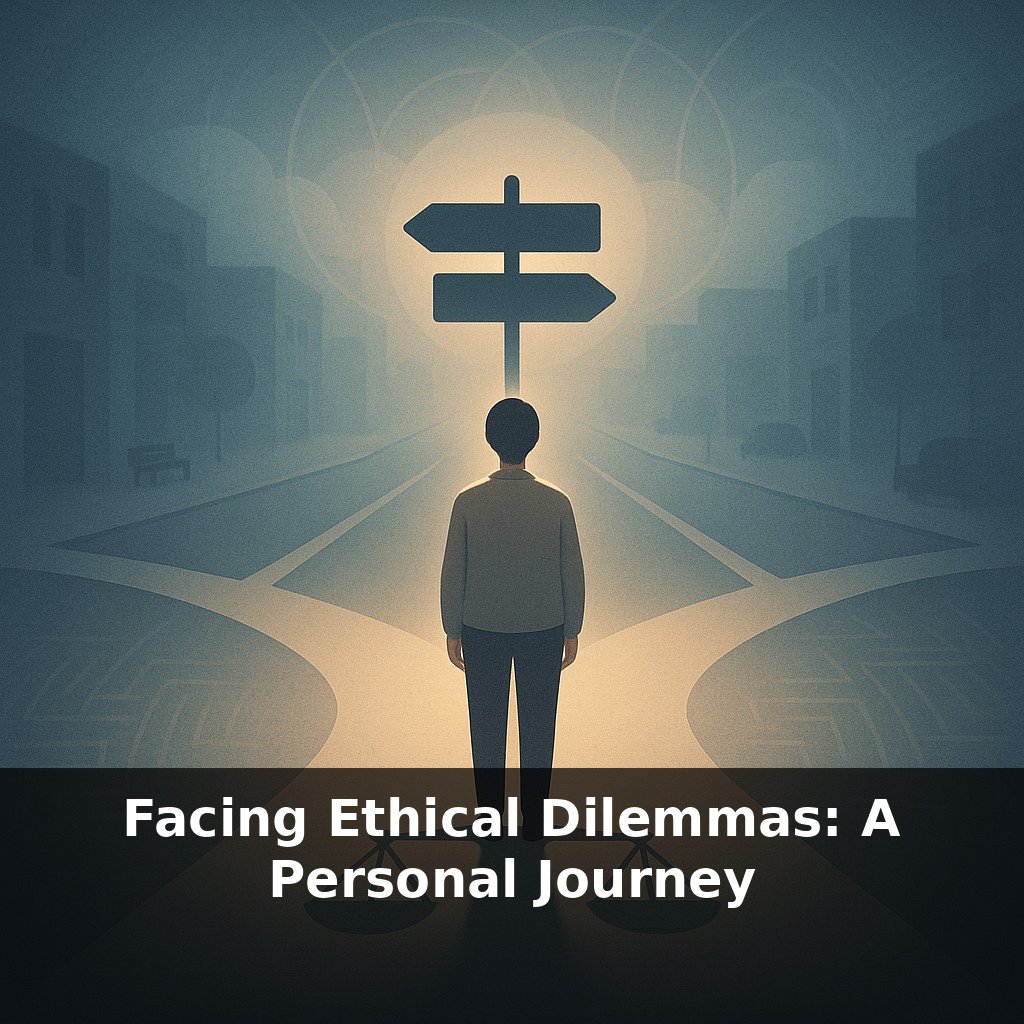
Here’s your challenge this week: Choose one moment from your own life where your values were really tested (a “pivot point” like the guests described) and record a 3–5 minute voice memo telling that story as if you’re explaining it to a close friend—include what you did, what you wish you’d done, and what value was at stake. Then, before the day ends, share that recording with one trusted person and explicitly ask them, “From this story, what do you think my actual values are?” Finally, listen to their response and add a 1–2 minute follow‑up memo where you name one concrete way you’ll act differently next time a similar ethical crossroads appears.