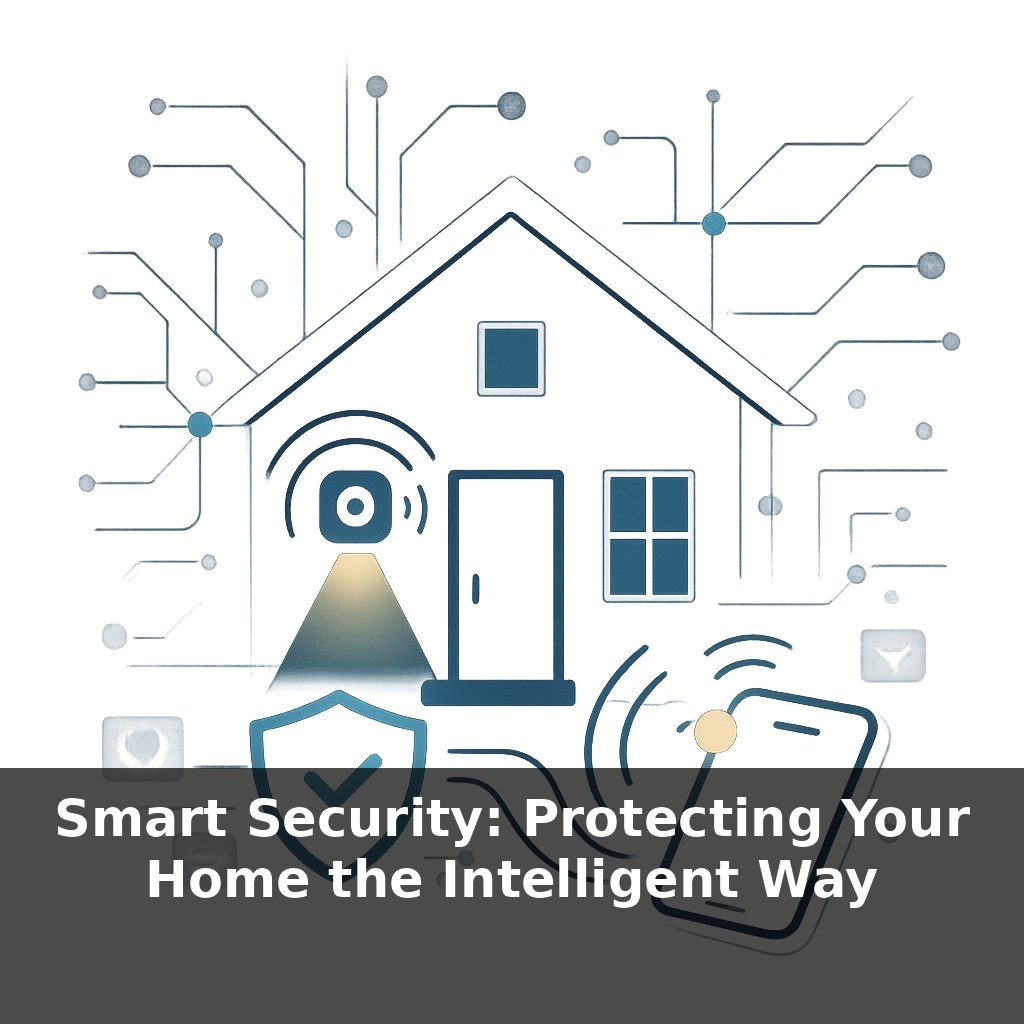
Right now, most motion alerts from old-school security cameras are basically noise. Yet a quiet sensor on your back door could spot trouble, text your phone, and trigger a light before anyone touches the lock. The mystery is: which alerts matter, and which are safe to ignore?
In this episode, we shift from single alerts to the *system* behind them: how different devices cooperate so your home can notice patterns you’d miss. A door opens, a hallway sensor trips, and a camera spots movement—none of these events mean much alone, but together they form a story your system can learn to read.
Thanks to AI and cheap, low‑power chips, your security setup doesn’t just record; it can recognize familiar faces, ignore the dog, and send a fast “this really matters” notification instead of a vague warning. Cloud services add another layer, cross‑checking events and staying online even if a local hub reboots. We’ll explore how these parts fit together, where the real privacy trade‑offs are, and how to design a setup that feels more like a vigilant doorman than a nagging alarm.
Now we’ll zoom out from individual devices and look at how “smart” security is reshaping *who* is actually watching over your place. It’s no longer just you scrolling through clips or a distant call center waiting for a siren; it’s a layered mix of automation, on‑demand human help, and rules you control. Standards like UL 827B quietly set the bar for how reliable those cloud backends must be, so off‑site monitoring can rival old‑school stations. We’ll also bring in power and networking: how long‑lasting, battery‑based gear and better Wi‑Fi let you protect awkward corners a wired system never reached.
A good way to think about this new landscape is less “gadget shopping” and more “designing a layered defense.” Instead of betting everything on one device, you mix roles: scouts, guardians, and archivists.
Scouts are the devices that notice first: contact sensors on less‑used windows, a battery camera covering the side yard, a smart lock that reports when it’s jammed. Thanks to low‑power chips, these can sit in places you’d never pay to wire—shed doors, alley gates, even a detached garage—checking in over Wi‑Fi or a low‑bandwidth protocol and sipping battery for months.
Guardians are the pieces that *respond* in the moment: a porch light that snaps to full brightness, a speaker that plays a “someone’s home” sound, a smart lock that refuses remote unlock if it sees a mismatch between usual patterns and current behavior. This is where AI‑filtered events really matter: if almost all nonsense alerts are gone, you can be bold about automatic reactions without worrying they’ll trigger every time a leaf blows.
Archivists handle the “what actually happened?” question. Instead of a single DVR in a closet, you might combine a microSD card in each key camera with encrypted cloud clips for just the high‑priority events. Some platforms even keep a short on‑device buffer, uploading only when something truly interesting occurs. That saves bandwidth, reduces exposure, and still gives you context if you need to share evidence.
All of this rides on infrastructure you rarely see. Reliable routers, separate guest networks for visitors, and standards‑compliant cloud backends mean a cut cable or a rebooting hub doesn’t silently turn the whole system into a pumpkin. Redundant paths—cellular backup for an alarm panel, for instance—turn a “single point of failure” into just one of several options.
The human side is equally important. Deciding who gets access, how long clips are kept, and when automation is allowed to act on its own is what makes the system feel like an extension of you. The goal isn’t constant vigilance; it’s to surface the *few* moments where your attention actually changes the outcome.
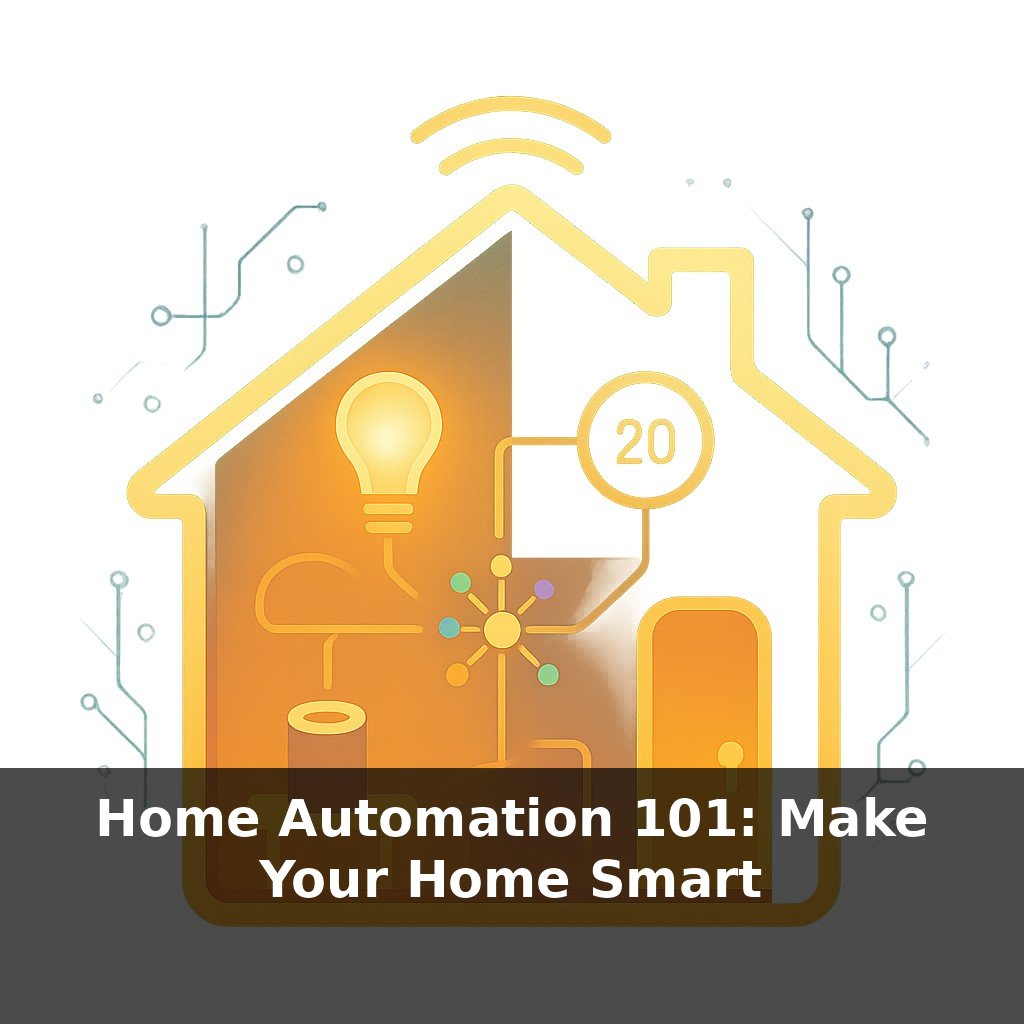
Think of your home like a basketball team running set plays. Each player knows the plan, but the *magic* is in how they react to each other in real time. In a well‑tuned setup, a door contact “passes” to a nearby light: door opens after midnight, the entryway glows at 20% instead of blinding anyone. If that pattern usually means you coming home, nothing else happens. But if an upstairs window “takes the shot” at 2 p.m. on a workday, that’s a very different play—your system can cue a chime, start a short recording, and ping you with context: “Unusual entry, weekday afternoon.”
Real examples: a package‑theft workflow where your porch device recognizes a drop‑off, arms a specific watch zone, and then stands down once you unlock the door; or a rental unit where a unique code for the cleaner quietly tags related clips so you can skim just those visits without sifting through your entire archive. The power isn’t in one clever gadget; it’s in the choreography you define between them.
Insurers are quietly becoming teammates: some already discount premiums if you share limited event data or verification from a monitoring provider. As standards like Matter mature, mixing brands will feel less like wiring a studio and more like swapping pedals on a guitar board—tweakable, not permanent. Longer term, privacy‑preserving chips and energy‑harvesting gear could let your protections hum along for years, adjusting to your habits without demanding constant logins, charging, or upgrades.
Your challenge this week: walk the perimeter of your home at night and note three spots where a small, smart change (a sensor, a light, a chime) would meaningfully change how safe you *feel*, not just how safe you *are*. Then, instead of buying hardware immediately, sketch the *sequence* you’d want there—what should happen first, next, and only if things seem truly off. Use that mini‑scenario as your filter before you shop for any new device.
The next step isn’t chasing every new gadget; it’s deciding where you want *silence* and where you want a tap on the shoulder. As gear keeps learning, you’ll be able to tune it more like a playlist than a firewall—quieter here, louder there, skipping the tracks you’re tired of. Start small, review the “stories” it surfaces, and keep editing until it sounds like home.
Before next week, ask yourself: What’s the single most vulnerable entry point in my home (front door, back door, garage, or a ground-floor window), and what’s the smartest upgrade I can make there today—like adding a video doorbell, a smart lock, or a contact sensor? If someone tried to get into my home tonight, what would actually alert me first—do I have motion-activated lights, camera notifications, or a monitored alarm in the right spots, or am I relying on luck? If my Wi‑Fi went down or my phone battery died, how would my current smart security setup still protect me, and what simple backup (like local camera recording, a keypad lock code, or a neighbor who gets alerts) can I put in place before the weekend?