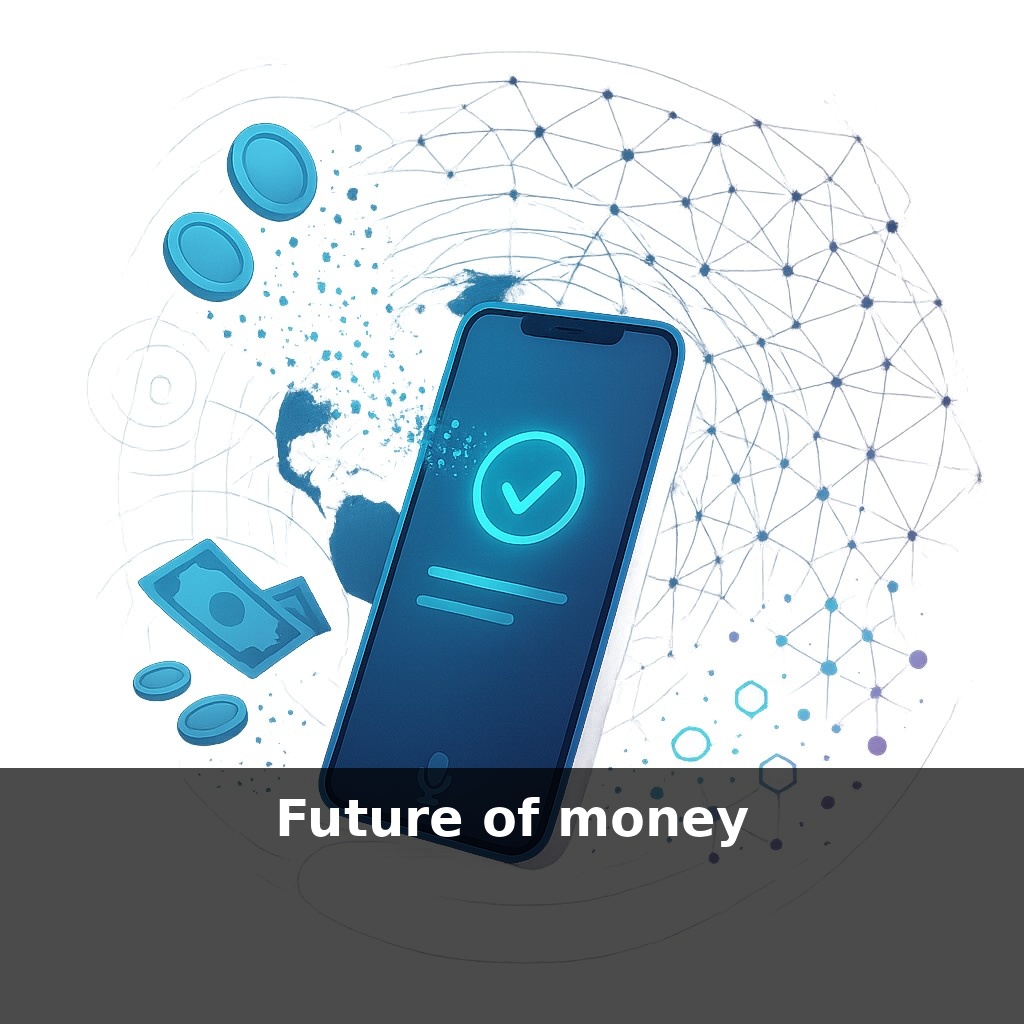
Kenya moved most of its entire yearly economic activity through phones, not banks. In another country, a tap on a gaming app pays real rent. In both places, “getting paid” means code moving value, not cash changing hands. So what actually counts as money now?
In the last episode, we saw money shed its physical skin. Now it’s starting to grow “behavior” of its own.
Three shifts are happening at once.
First, ledgers are turning digital and shared. Not just bank databases, but blockchains and experimental central bank systems that can move units of currency at software speed, across borders, 24/7.
Second, finance is getting a brain transplant. AI is crawling through your spending patterns, your side‑hustle income, even your in‑game behavior, to decide what you can borrow, earn, or invest—sometimes in milliseconds.
Third, banking is dissolving into the apps you already live in. Ordering food, streaming music, hailing a ride—those apps can now hold balances, extend credit, and pay you back.
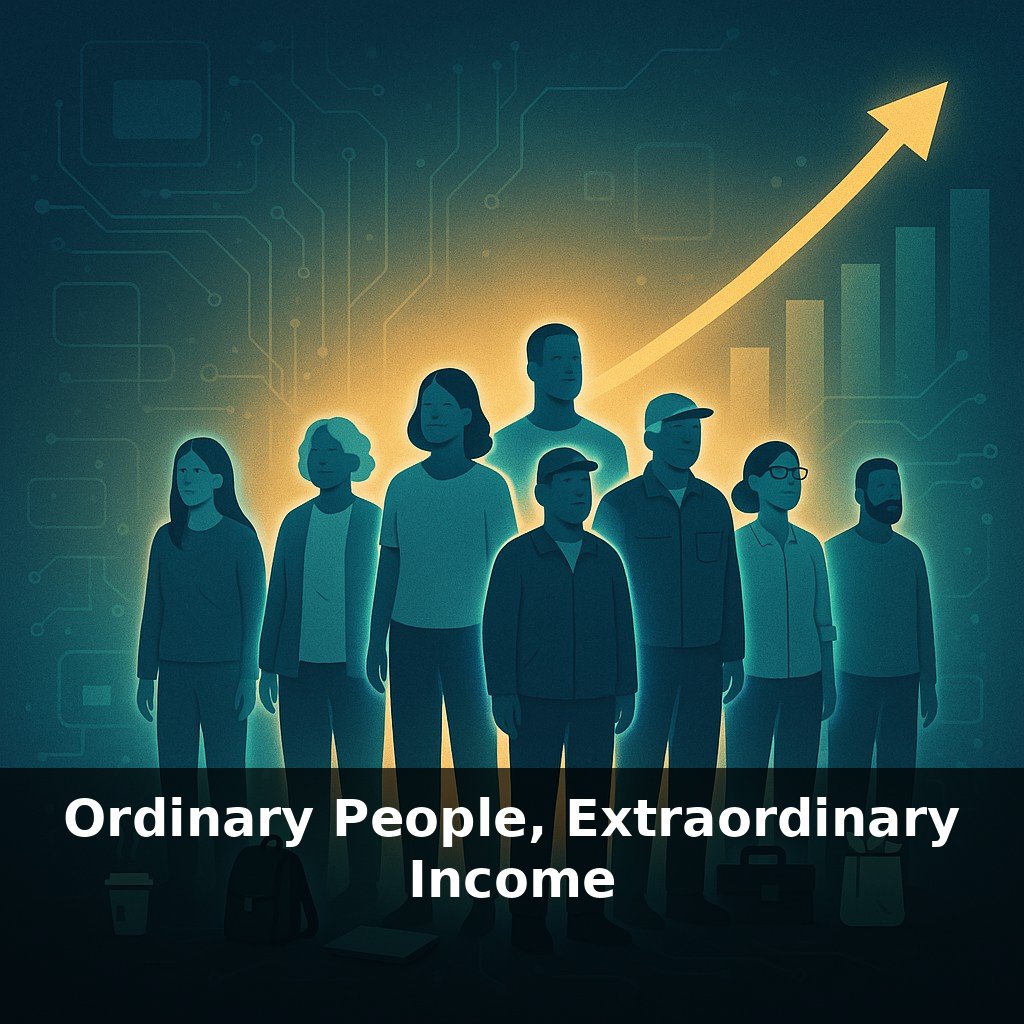
Put together, this turns “getting paid” from a single payday into a constant, data‑driven negotiation with the apps and platforms around you.
Your streaming app might soon split your subscription with you if you help discover new artists. A ride‑hailing app could pay you a tiny cut every time your past reviews steer someone toward a safer driver. Even your favorite game might drip out rewards that convert instantly to spending power in your usual shopping app. In this world, “income” stops being one big paycheck from one employer and becomes lots of small streams tied to your data, attention, skills, and reputation. The real shift is that money stops arriving on a schedule—and starts reacting to you in real time.
Here’s where it gets strange—in a useful way.
Once money is mostly digital and programmable, it stops being a passive balance and starts acting more like a collaborator. You can set rules for it, but so can the platforms you use.
Take “programmable salary.” Instead of your whole paycheck landing in one account, you could pre‑code slices: 5% auto‑swaps into a dollar‑pegged stablecoin every day, 10% trickles into a diversified micro‑investment portfolio each hour you’re logged into work, another slice pays down debt as soon as interest rates cross a threshold. No spreadsheet, no calendar reminder—just rules executing in the background.
Or consider “earning” inside places that never looked financial before. A play‑to‑earn game doesn’t just drop random prizes; it can pay out tradeable tokens every time you complete a certain quest line, teach a new player, or design a level that others enjoy. A creator token can route a cent‑sized royalty to you each time your meme, beat, or tutorial gets reused inside a platform’s ecosystem.
Data‑driven finance then personalizes this. A fintech app might notice you consistently crush difficult delivery routes, or that your late‑night coding streams keep a small but loyal audience. That pattern could unlock a dynamic credit line whose limits rise on nights you’re most active, or a “loyalty dividend” paid in advance because your past behavior predicts future engagement.
Embedded finance stitches this into everything else. The same super‑app where you chat, order groceries, and book travel might let you stake a tiny deposit to co‑fund a local solar project, then drip back returns as discount power on your bill. Your ride‑hail history could quietly build a “mobility score” that gets you instant micro‑insurance when you rent a scooter in another country.
Digital ledgers keep track of all these micro‑claims, while stablecoins and CBDCs could settle them in near real time. For ordinary people, “income strategy” starts to look less like picking a single job and more like arranging many small, programmable agreements with the apps and networks that already surround them.
A Kenyan boda rider might soon earn three ways at once: a normal fare, a safety bonus triggered when passengers rate the ride calmly, and a tiny “route royalty” whenever navigation apps learn from the shortcut they discovered. Those bonuses could land as stable tokens spendable on fuel or auto‑converted into group savings the rider joins with family abroad.
A home producer in El Salvador selling hot sauce online could set rules so each sale splits automatically: part to restock ingredients, part into a dollar‑linked stash, part to fans who promote the brand on social feeds. Their “top promoter” in another country might wake up to find their cut already usable on a local card.
Think of a jazz band where each musician is miked separately: the system can pay the drummer extra for a viral solo, tip the sax player when a riff gets sampled on another track, and send a small, delayed bonus to the sound engineer when overall plays cross a threshold.
Nations may treat these new rails like rival trade routes. Some might favor open, crypto‑friendly channels; others may wall off flows inside tightly monitored CBDCs. Your financial “citizenship” could depend less on your passport and more on which wallets and platforms you use. Local communities might launch town‑specific tokens that fund parks or clinics, while worker co‑ops issue shared payouts that rise and fall with collective performance, blurring the boundary between paycheck and dividend.
As these rails spread, your “wallet” starts to feel less like a purse and more like a remote control for your economic life—tuning which platforms you trust, which communities you back, which risks you’ll tolerate. The frontier isn’t just earning more; it’s deciding which invisible rules your money obeys, and which ones you’re willing to rewrite with others.
Before next week, ask yourself: What’s one way emerging tech like CBDCs, stablecoins, or tokenized assets might realistically touch *your* daily life in the next 3–5 years (for example, how you get paid, save, or send money abroad)? If your salary, savings, or mortgage were suddenly held in a programmable digital currency, what specific rules or “if-then” conditions would you *want* to control yourself, and which ones would you never hand over to a bank or government? Looking at your current money setup (bank accounts, apps, cards, crypto, etc.), where are you most exposed if cash disappears or a major platform fails—and what’s one concrete shift you could make this week to diversify (e.g., opening a second account, trying a reputable digital wallet, or testing a low-stakes cross-border transfer)?