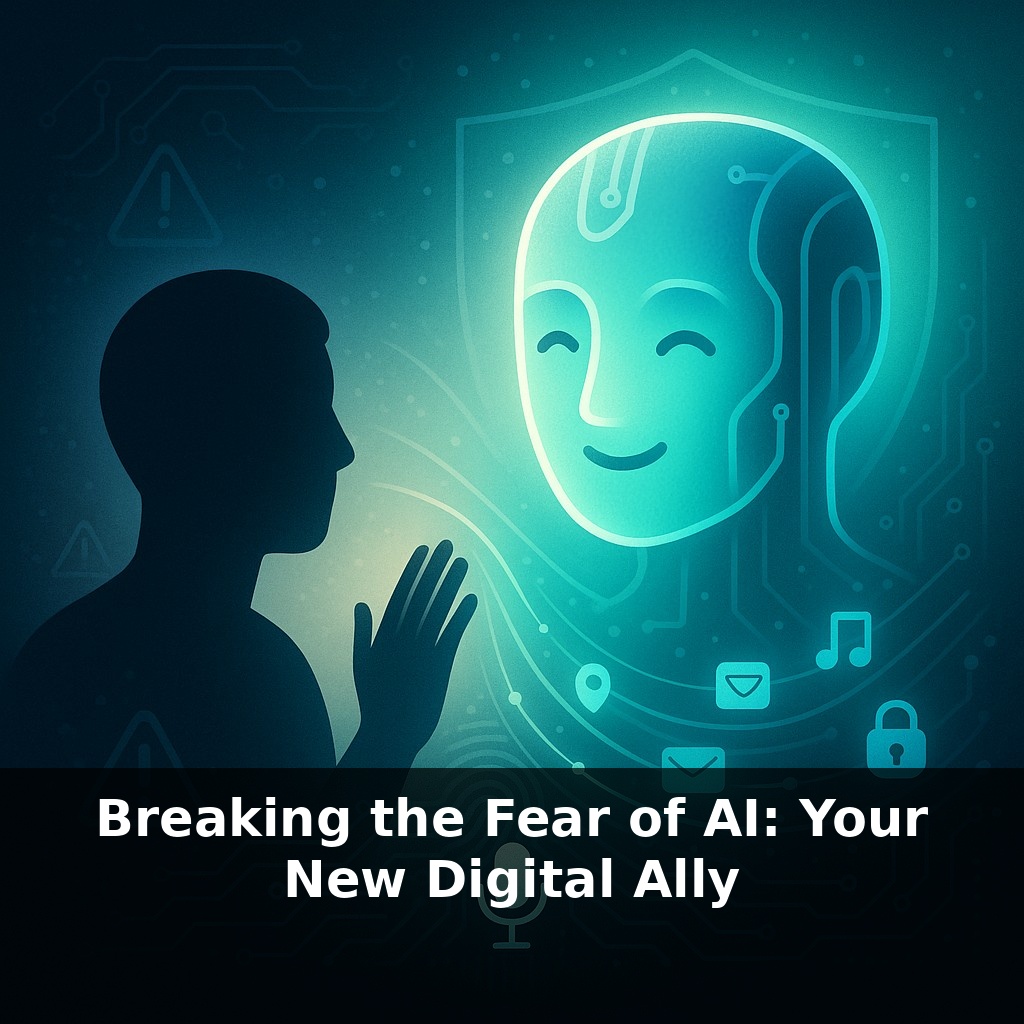
Right now, most people are more afraid of AI than they are of driving a car—despite using AI quietly, every day. You unlock your phone, stream a playlist, get a route suggestion…and call it “just an app.” So why does the label “artificial intelligence” flip a fear switch in our brains?
Here’s the twist: the “scariest” systems are often the ones you barely notice. A spam filter quietly shields your inbox. A fraud detector flags a suspicious charge before you do. A translation tool helps two people with no common language close a deal. None of these feel like sci‑fi threats; they feel like seatbelts, railings, and guard dogs built into your digital life. Yet the moment we put a spotlight on the underlying tech, our brains jump from “useful helper” to “runaway robot overlord.” That gap—between what you already trust and what you think you fear—is where real progress happens. Because once you see these tools as extensions of your judgment, not replacements for it, a new question opens up: how much safer, smarter, or more creative could your work become if you consciously partnered with them instead of keeping them at arm’s length?
But fear doesn’t respond to logic alone; it responds to stories. And most of the stories you’ve been fed about this technology come from blockbuster movies, click‑driven headlines, or worst‑case think pieces—not from the mundane reality of how it’s quietly used in hospitals, logistics centers, or customer support. Under the hood, today’s systems are closer to ultra‑fast pattern recognizers than plotting minds. They spot correlations in mountains of data and surface options, much like a seasoned analyst who’s seen thousands of similar cases—only compressed into milliseconds and wrapped in code your tools can tap into.
Here’s where the story gets more grounded—and less dramatic.
When specialists talk about these systems, they don’t describe a looming digital mind. They describe layers of math. What you see as “intelligence” is really a stack of statistical guesses, refined over billions of examples. That sounds dry, but it’s why most expert panels keep stressing the same point: today’s systems are astonishingly capable at narrow tasks and astonishingly bad at anything outside those boundaries.
That narrowness matters for fear.
In medicine, for example, pattern‑recognition models now flag subtle shadows on scans that overworked clinicians might miss at 2 a.m. The system doesn’t “decide” who gets treated; it highlights risky cases, and a human signs off. In manufacturing, models listen to the hum of a machine and predict, “This sound has preceded a breakdown in 94% of similar cases—schedule maintenance soon.” They don’t shut the factory; they put an extra line in a dashboard.
This is the quiet reality: in most serious deployments, there’s an explicit human‑in‑the‑loop step. Healthcare, aviation, finance, even customer support workflows are designed so that automated suggestions flow to a person with authority and accountability. Regulators and internal risk teams insist on it, precisely to prevent the sci‑fi scenarios people worry about.
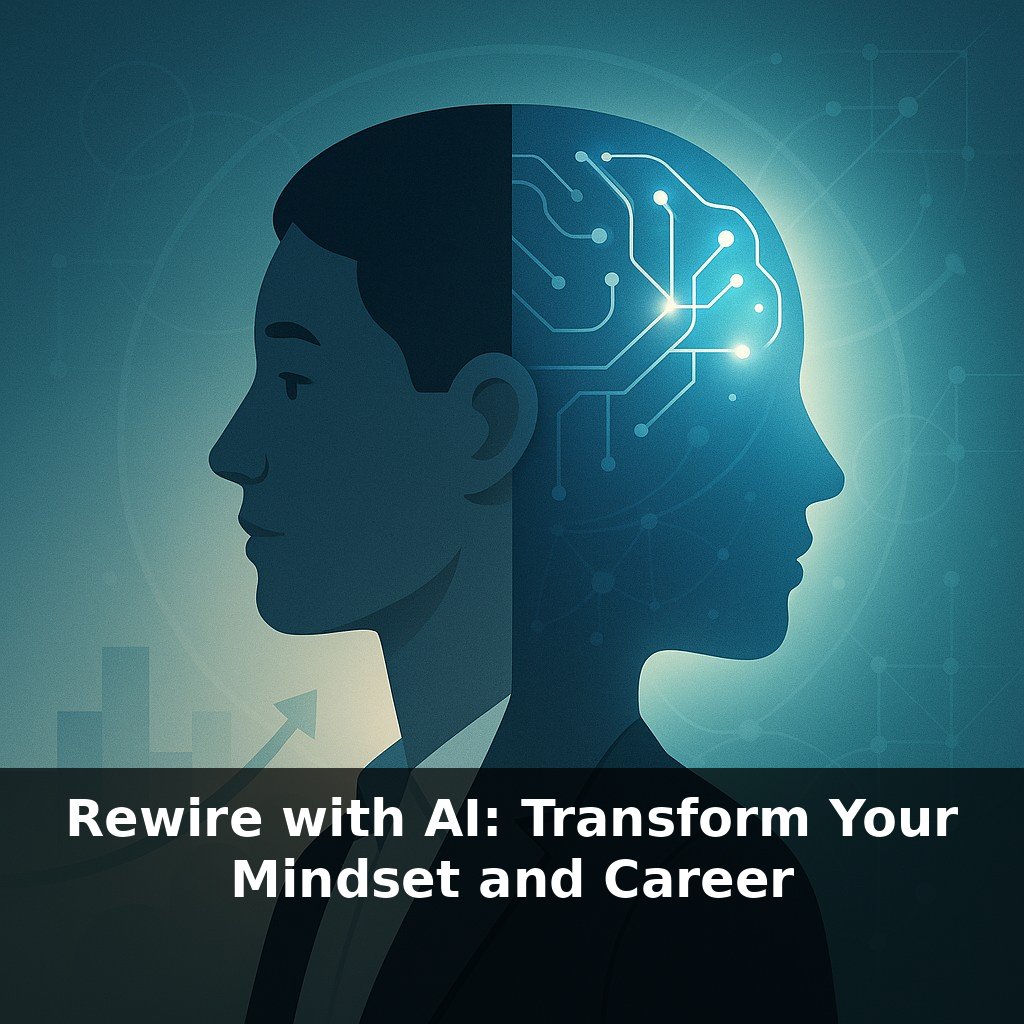
And the numbers don’t match the nightmare, either. Studies of organizations that adopt these tools at scale keep finding the same pattern: productivity goes up, jobs shift, and only a minority of roles shrink or vanish outright. New roles appear around supervision, data quality, safety, and integration. It’s less “mass replacement” and more “mass re‑wiring” of how work is divided between people and software.
Think of it like redesigning a sports team’s playbook: the star player doesn’t vanish when better analytics arrive. Instead, coaches change who takes which shot, when, and with what information. The game is still human, but the strategy is data‑driven.
This is why serious conversations today focus less on “Will it wake up?” and more on governance: audit trails for model decisions, limits on what systems can trigger automatically, requirements for transparency when you’re interacting with a machine, and clear rules about who is responsible when things go wrong. These guardrails don’t eliminate risk, but they turn vague dread into concrete knobs we can adjust: where to allow automation, where to require escalation, where to forbid use entirely.
Think about where these systems quietly reshape outcomes you care about. A city traffic department uses models to retime signals so ambulances hit more green lights and exhaust drops on school routes. A conservation team uses pattern‑spotting on satellite images to flag illegal logging fast enough for rangers to intervene. A small retailer analyses past orders and weather so it doesn’t overstock winter coats during a warm spell—or run out when a cold snap hits. In each case, the “intelligence” isn’t a final decision; it’s an extra lens that sharpens what people already notice, or reveals trends they’d never have time to calculate.
Zoom into your own day. A recruiter screening thousands of résumés can use scoring tools to surface unconventional candidates instead of defaulting to the same schools. A nurse coordinator can prioritize follow‑up calls based on risk signals rather than alphabetical order. A project lead can forecast delays early enough to renegotiate scope instead of apologizing later. The common thread: better triage. The work stays human; the sequence, timing, and focus become data‑aware.
Your challenge this week: Treat these systems as a kind of “second set of eyes.” Once a day, pick one decision—big or small—that you’d normally make on gut feel or habit alone. Before you commit, run it through a simple assistive system available to you: a recommendation engine, a pattern‑spotting dashboard, a forecasting tool, or a structured query to a trusted model. Then do something crucial: compare its suggestion with your original instinct, and either accept, modify, or reject it—but always write down why. By the end of the week, review those notes. You’re not checking who “won.” You’re looking for where the partnership changed your timing, your options, or your confidence.
As these systems spread, the big shift won’t just be in workplaces—it’ll be in habits. You might come to treat them like a trusted colleague you bounce ideas off, not an oracle you obey. Kids could grow up critiquing model outputs the way they now question social media posts. Neighborhood groups might use shared dashboards to plan safer streets or fairer budgets, turning abstract data into kitchen‑table debates. The frontier becomes less “What can machines do?” and more “What do we want to do with them—together?”
You don’t have to become a coder to shape this future—just a more curious user. Start small: treat new tools like a trial workout routine, adjusting reps until they fit your style. Over time, those tiny experiments add up to a new muscle: knowing when to lean on software, when to overrule it, and how to design your work so you stay in control.
Try this experiment: pick one repetitive task you do this week (like sorting emails, summarizing meeting notes, or drafting social posts) and hand it over to an AI tool for a day. For example, forward your next 10 emails to an AI and ask it to: 1) sort them by urgency, 2) draft quick replies, and 3) flag anything sensitive you should handle yourself. Then compare: how long it took you before vs. with AI, how accurate it felt, and how stressed or relaxed you were doing it. By tonight, decide one tiny way you’ll keep AI as a “digital ally” in that workflow (even if it’s just using it for first drafts).