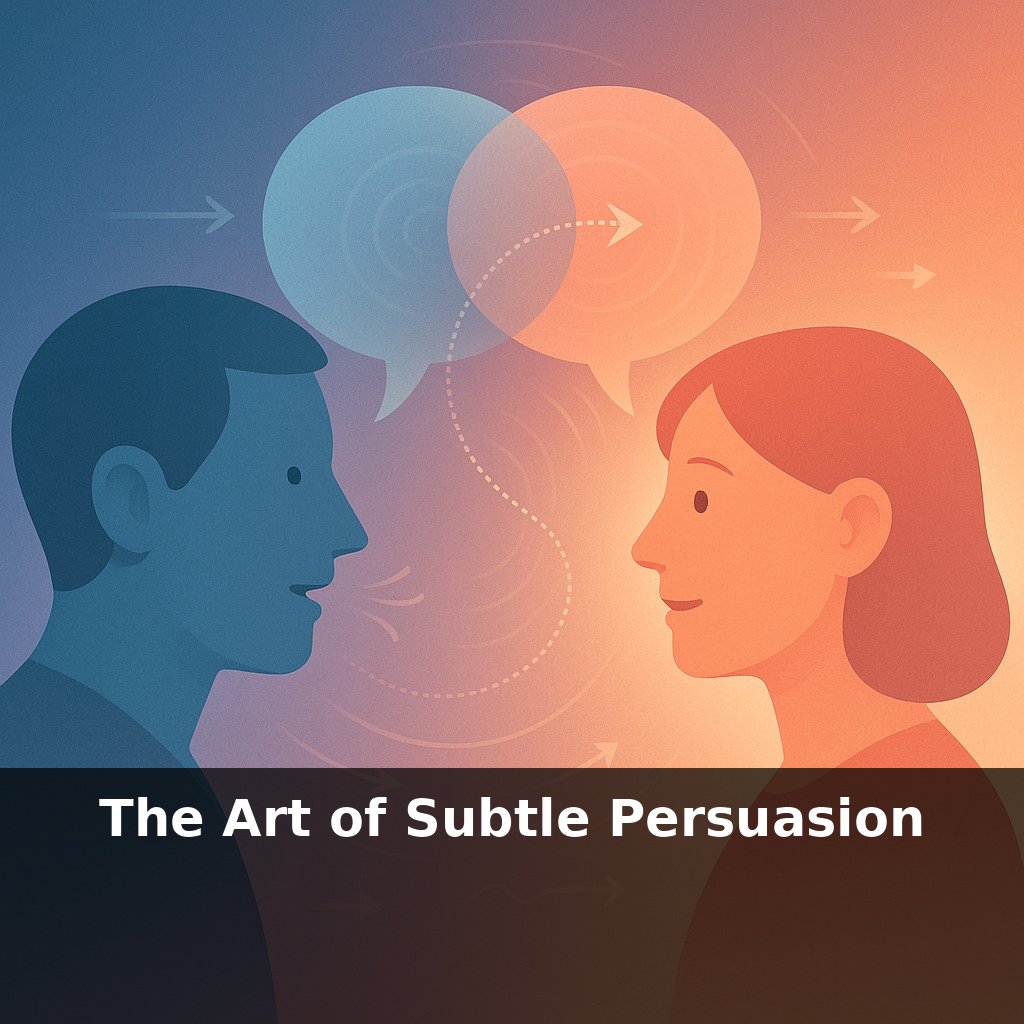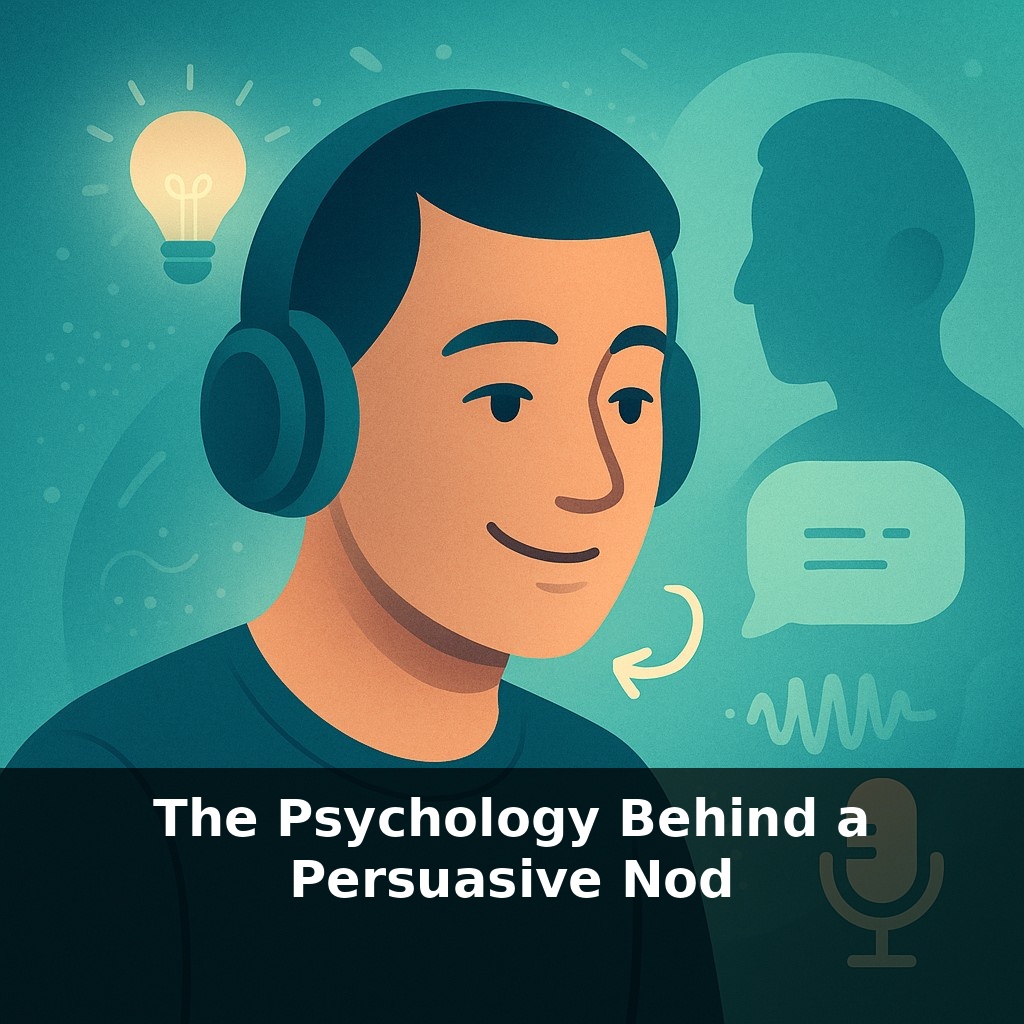
A tiny head tilt can quietly change someone’s mind before you’ve said a word. In a job interview, in a sales call, even on Zoom, that small nod can make a hesitant “maybe” lean toward “yes”—and most people never notice it’s happening.
You’ve already seen how a barely-there movement can steer a conversation; now let’s zoom in on what makes that motion so strangely powerful. When someone subtly dips their head as you speak, your brain treats it less like decoration and more like a quiet “I’m with you” signal. That’s why skilled interviewers, negotiators, and even therapists rely on it the way a careful driver relies on turn signals—small, routine gestures that prevent bigger collisions. In a tricky performance review, a well-timed nod can soften tough feedback; in a high-stakes pitch, it can keep a skeptical room engaged long enough to hear you out. Used clumsily, it feels manipulative; used attuned to the other person’s pace and emotion, it highlights their words rather than hijacking them. The real art is noticing when someone’s nodding pattern shifts—and what that says about where their mind just went.
In the next few minutes, we’ll shift from “that’s interesting” to “that’s usable.” Researchers aren’t just guessing about nods; they’ve wired people up, tracked eye movements, and even tested animated characters to see how our brains react. Across studies, a pattern emerges: agreement-looking motion quietly tilts us toward “yes” before we’ve fully weighed the content. That means your nods don’t just react to a conversation—they help shape its direction. In a salary discussion, a performance review, or a customer call, how and when you nod can either ease tension, invite more detail, or accidentally shut things down. Our goal now is to make that lever visible.
Seventeen percent. That’s how much more likely people were to say they’d buy a product when the presenter simply added an up‑and‑down movement to their pitch. No extra features. No lower price. Just motion.
What’s happening underneath that bump isn’t magic; it’s mechanics. Researchers find that when you see that movement, your body starts preparing to copy it in under half a second. Muscles in your neck fire as if they’re getting ready to move, even if you never actually do. That tiny preparation primes you to feel as though you’re already leaning toward “yes,” because your body is half‑way into a yes‑shaped response.
Layered on top of that is something even more basic: we’re wired to treat these movements as signs that the social air is safe. In the Glasgow study, even cartoonish digital characters earned 30 % more trust just by adding that repeated motion every few seconds. Nothing else about them changed—not the script, not the voice, not the arguments. Your brain tags the movement as “cooperative,” so everything else coming from that source gets a small trust upgrade.
That’s why therapists and skilled interviewers often use it less to push agreement and more to open doors. A short series of movements as someone struggles to explain a feeling acts like a nonverbal “keep going,” and people tend to reveal more detail. In one line of work research, managers who made that motion clearly visible on Zoom were rated as more empathetic, even when their actual words stayed firm or critical.
Marketers lean on it too. Watch a good explainer video: the on‑screen host often moves in sync with each key benefit, giving rhythm to the message. It’s like adding a pinch of salt to a recipe—you haven’t changed the ingredients, but you’ve made existing flavors easier to notice.
Of course, context can flip the script. In a few cultures, the very same movement signals refusal, not agreement. And if what you’re saying is thin or self‑serving, no amount of motion will rescue it for long; people notice when the nonverbal “yes” doesn’t match their actual experience. Used with care, though, this tiny habit doesn’t have to be a trick. It can simply be a way of showing, “I’m engaged enough to lean in with you,” giving the other person’s thoughts a slightly clearer path out into the open.
In a tense salary discussion, watch how this plays out. You state your number, then stay still and quiet while your manager responds. If they dip their head as they ask follow‑up questions—“How did you land on that figure?”—they’re often signaling curiosity, not rejection. You can lean into that by calmly adding context instead of rushing to backpedal.
In a first date or early friendship, you can use brief, paired movements when someone shares something vulnerable: one as they start (“So, I’ve never told many people this…”) and one as they land the point. You’re not agreeing with the content; you’re honoring the risk they took in saying it.
Team leaders can also use this in tricky group debates. When two people disagree, turn your body slightly toward whoever’s speaking and give that motion only as they add new information. Over time, the group learns that fresh insight gets more of your visible attention than sheer volume, which quietly rewards thoughtful contributions instead of whoever talks the longest.
Seventeen percent more likely to buy, 30 % more trusting of a digital character—that tiny movement is quietly turning into design data. As tools track micro‑reactions in real time, platforms may start “auto‑tuning” how often coaches, tutors, or even dating avatars respond this way, much like noise‑cancelling headphones adapt to sound. That raises a live question: when does smart responsiveness become emotional ad‑blocking, filtering out friction we might actually need to think clearly?
Your challenge this week: treat that tiny movement as a hypothesis, not a hack. Try using it only when you’re genuinely curious or appreciative—like underlining a sentence in a book you value. Then, notice who opens up more, who pulls back, and where staying still actually deepens the moment. Let your experiments, not the studies, set your rules.