A Roman emperor spends his nights writing about kindness and self-control… between battles. A former slave teaches that no one can insult you without your permission. Here’s the paradox: Stoic happiness isn’t about feeling good—it’s about becoming good, and finding peace there.
A Stoic would say your job could vanish tomorrow, your reputation could crumble online in an afternoon, and your body will eventually fail—and none of that can touch the only thing that really matters: the kind of person you are in the midst of it all. Where Aristotle mapped out the virtues and Epicurus rearranged our pleasures, the Stoics move the battleground inside your own judgments. They claim that most of our suffering comes not from events themselves, but from the stories we attach to them—about success, failure, status, and loss. That’s why a harsh email can ruin one person’s week yet barely graze another’s. Stoicism invites you to run a quiet experiment in radical responsibility for your inner life, treating every delay, criticism, or setback less as an attack and more as raw material for wisdom, courage, justice, and temperance.
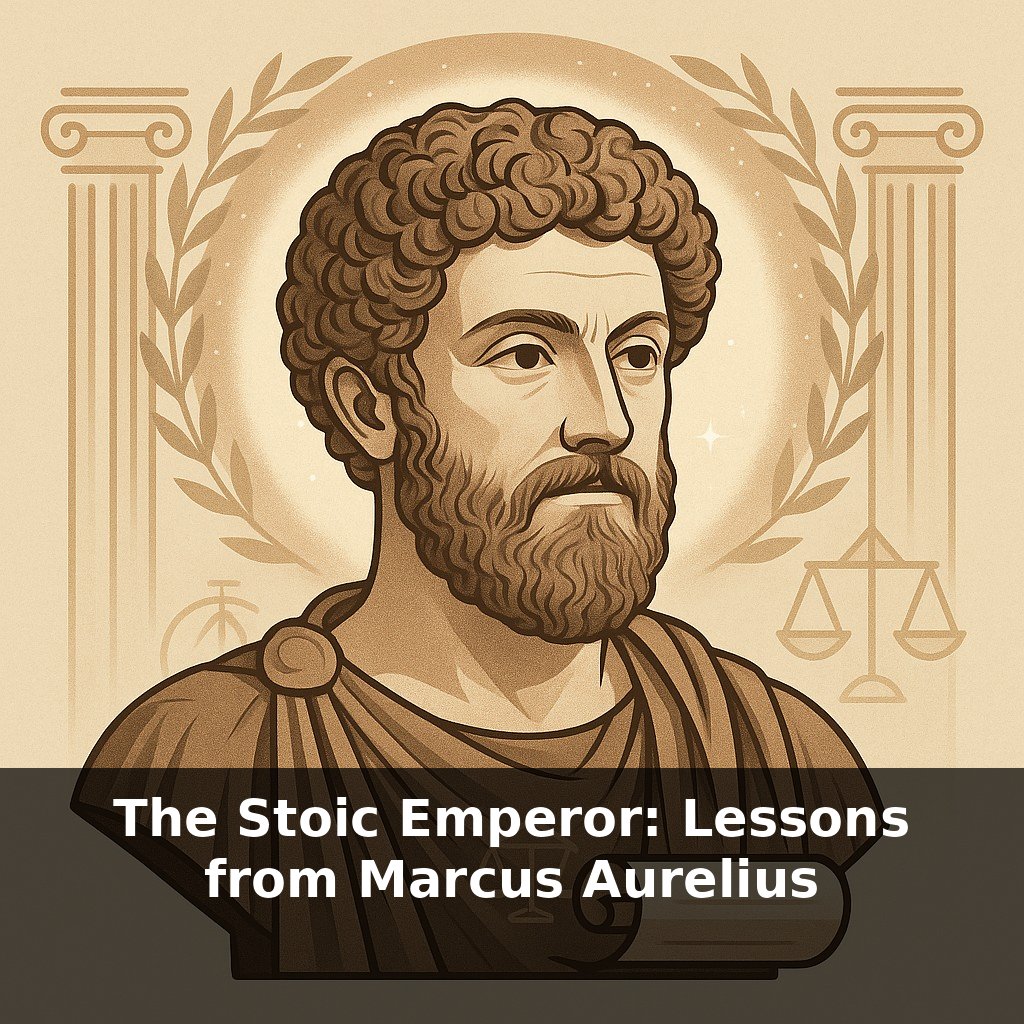
The Stoics take this further: they claim that events don’t just fail to determine your happiness—they also reveal your existing habits of thought. A traffic jam, a delayed reply, a public mistake: each one is like a diagnostic scan, lighting up where your expectations and reality collide. That’s why Marcus Aurelius wrote to himself, not an audience; he was running continuous “mental audits” amid war and disease. Epictetus did something similar in the classroom, grilling students on how they interpreted daily annoyances, as if he were debugging faulty code in real time.
At the core of this “mental auditing” is a blunt Stoic claim: almost everything you chase is a “preferred extra,” not the foundation of a good life. Health, money, status, even loved ones—good to have, worth caring for, but not what makes you a good or bad person. They called these things “indifferents”: not because you feel nothing about them, but because their presence or absence doesn’t change your basic moral worth.
This reclassification is radical. It means a promotion and a layoff both pose the same question: will you respond in line with your values, or not? Seneca, one of Rome’s richest men, kept reminding himself that fortune could repossess his wealth overnight. So he practiced going without—simple clothes, plain food—not to dramatize poverty, but to test a conviction: “Is this what I used to fear?”
Here the fourth cardinal virtue, temperance, quietly does crucial work. Where courage faces obvious dangers, temperance deals with seductions: the pull of comfort, flattery, distraction, outrage. A temperate person isn’t joyless; they’re free enough from craving that they can enjoy good things without being owned by them. That freedom is exactly what makes ataraxia possible in a noisy, tempting world.
Notice how this differs from Epicurus. Epicureans curate their environment to keep pains low and pleasures modest. Stoics assume the environment will often be uncontrollable, unfair, and loud—and train you to stay morally steady anyway. It’s a shift from arranging your garden to reinforcing your foundations.
Modern psychology quietly echoes this. Cognitive-behavioral therapy takes your automatic thoughts—“This must not happen,” “I can’t stand this”—and holds them up to inspection. Stoic exercises do something similar, but with a normative twist: they ask not only “Is this belief accurate?” but “Does this belief help me live up to my character?”
From this angle, setbacks stop being interruptions to happiness and become the training field for it. A delayed project, a tense conversation, a public embarrassment: each is an unscheduled drill in applying your values under pressure. Like a long-term investor who keeps contributing through market swings, you keep “depositing” consistent choices into your character, trusting that over time the inner stability compounds.
Think of three ordinary moments: standing in a slow checkout line, getting critical feedback at work, or watching someone else receive the opportunity you wanted. The surface details differ, but each moment quietly asks the same question: Will you react by default, or respond on purpose? A Stoic treats these scenes as unscripted practice sessions, not personal verdicts.
In the checkout line, the “old program” might be silent seething. The Stoic experiment: notice the first surge of irritation, then choose a small, opposite action—let one more person with fewer items go ahead. You’re not being saintly; you’re rehearsing who’s in charge.
At work, sharp feedback can feel like a threat to identity. A Stoic approach separates skill from self: “Is there one concrete improvement hidden in this sting?” Extract that, discard the rest.
When someone else is chosen, the reflex is comparison. The Stoic pivot: treat their success as proof that value can be created here—and double-check whether your own effort actually matched your quiet standards, not your expectations of reward.
As algorithms and markets keep lurching in directions no one predicts, Stoic-style training could shift from niche hobby to basic literacy. Apps might prompt “control-or-not?” check-ins during news doomscrolling. Leaders could be rated not just on profit but on how they handle volatility, like pilots scored on turbulence, not clear skies. Even schools might teach daily “mental drills,” treating emotional steadiness as a civic skill—less a private virtue and more a shared safety feature in a hyperconnected world.
Stoic practice doesn’t end in your head; it quietly reshapes how you move through cities, feeds, and relationships. Treat each notification spike like a weather alert: pause, then choose your response as deliberately as you’d pack for a long trip. Your challenge this week: when plans derail, ask, “What small, steady action here would future-me be proud I took?”