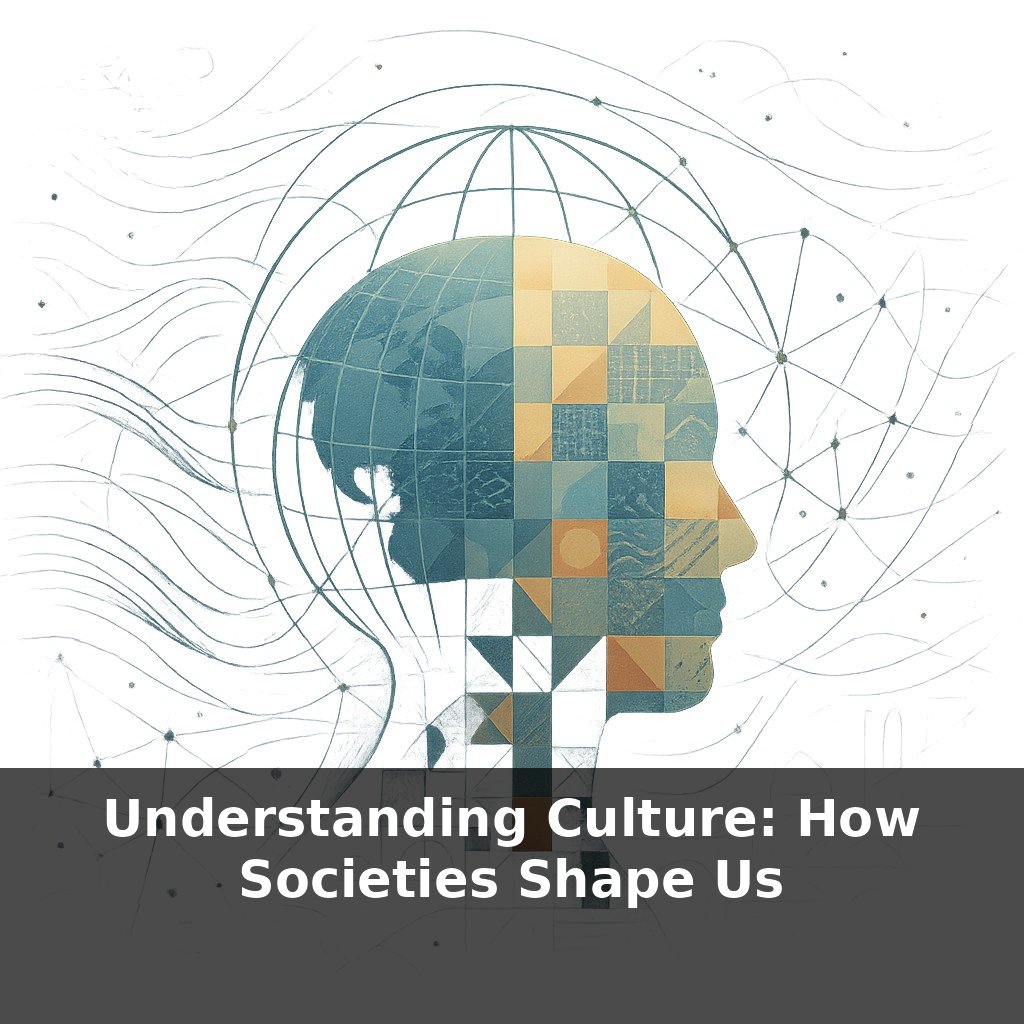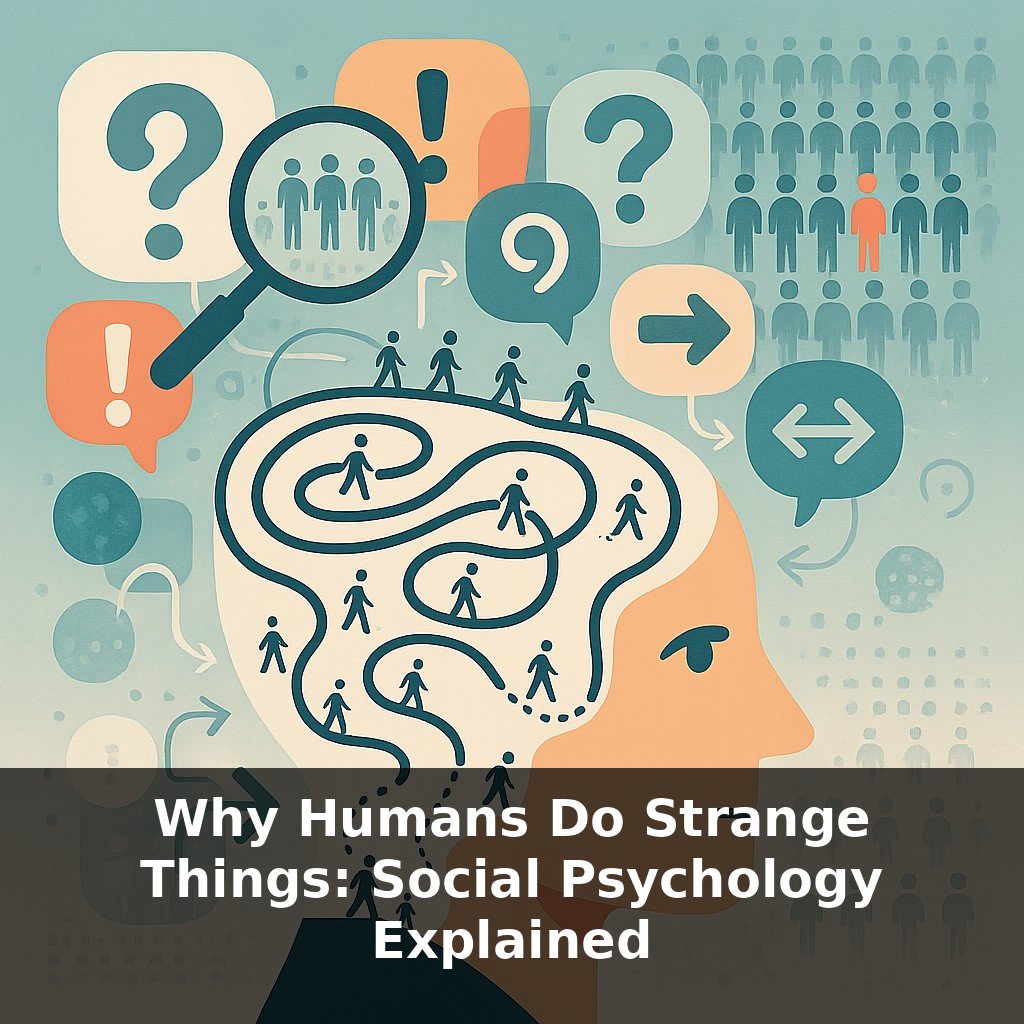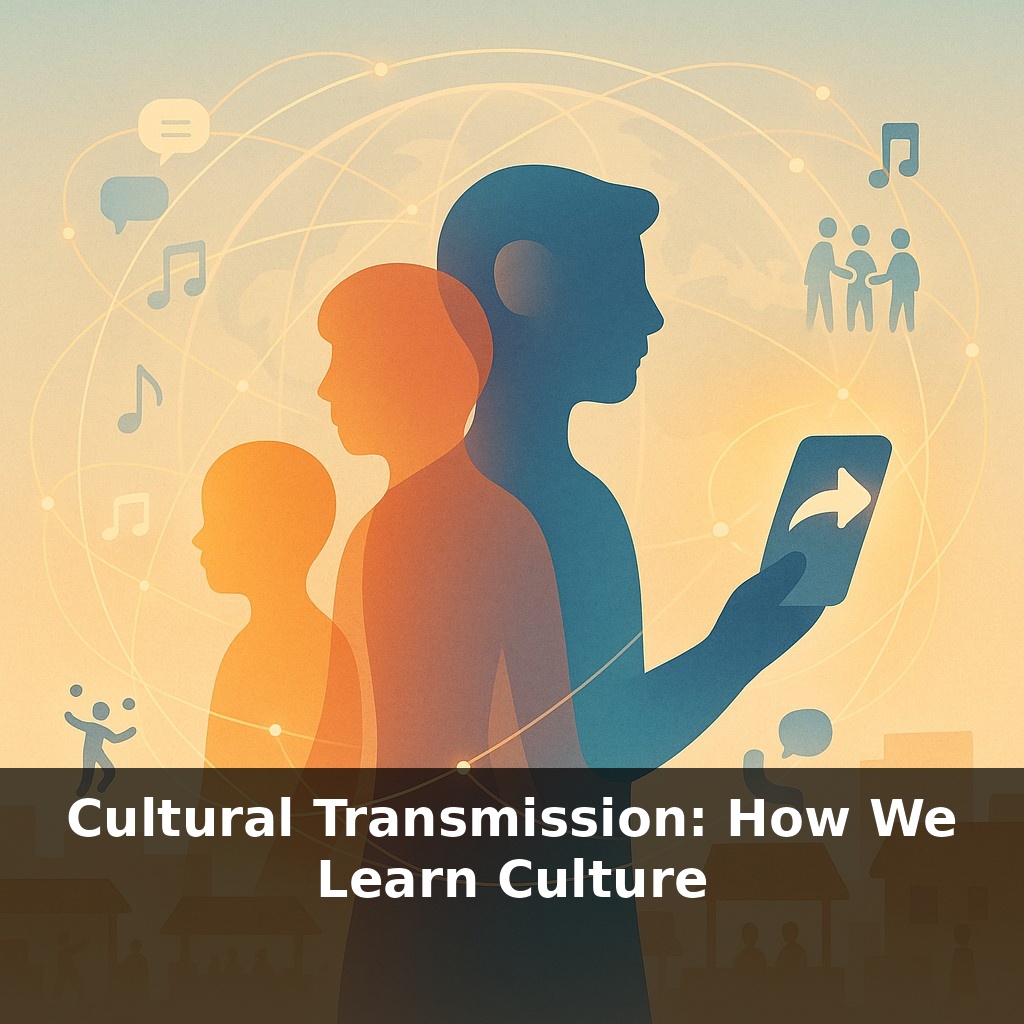
In a bustling market street, a toddler points eagerly to a street performer, while in another corner of the world, a teenager quickly taps 'share' on their phone screen. These everyday actions are threads in the vast tapestry of our cultural evolution, subtly shaping societies as they knit together individual behaviors. This episode explores how these connections influence us all as we grow and adapt.
A child copies a dance from a cousin, later swaps slang with classmates, and years on binge-watches tutorials from strangers across the world. Same person, three different pipelines feeding their sense of “what people like me do.” In this episode, we zoom in on those pipelines: how parents quietly pass down “the way it’s done,” how peers trade trends at high speed, and how distant adults—teachers, influencers, coaches—shape us without ever knowing our names. We’ll follow these channels from the nursery to the notification bar, noticing how schoolyard jokes, workplace norms, and online challenges all ride on the same deep human capacities: to watch, to copy, to be corrected, and to share. Step by step, you’ll start seeing your own habits as part of a much larger relay—one that you’re not just receiving, but actively rewriting.
Online, those quiet handoffs speed up and collide. A joke your grandparents would have told at dinner might now debut as a meme, jump languages overnight, then vanish by next week. The same platforms that stream lectures and how‑to videos to over a billion learners also spread rumors, beauty standards, and political slogans. Kids don’t just learn “how we do things here,” but “how they do things there”—and may blend both into something new. In the background, thousands of languages shrink or thrive depending on whose voices get amplified, subtitled, or simply ignored.
Every tradition you know has a “route” it took to reach you, and those routes don’t all work the same way.
Start with the slow lane: when caregivers pass things down. Vertical transmission tends to favor stability. If your family has a weekly ritual, a prayer, a way of greeting elders, it probably followed this path. Parents and grandparents usually filter what they share: they highlight what they think is respectable, safe, or sacred. That’s why these hand‑me‑downs often look conservative—less about chasing novelty, more about “don’t lose this.”
Shift to the fast lane: peers. Horizontal transmission is where slang, fashion, and micro‑trends sprint. A joke in one group chat surfaces in another school by Friday. Teens are especially tuned to this channel, testing boundaries and norms with people their own age. Because there’s less gatekeeping and more experimentation, this route is a powerful engine for change—sometimes playful, sometimes risky.
Then there’s the “broadcast lane”: coaches, professors, streamers, authors, religious leaders, distant experts—oblique transmission. Here, authority does a lot of work. You might accept a study technique from a famous educator more readily than from a sibling. Over a billion people now plug into this lane each month via how‑to videos, lectures, and explainers, giving a small set of adults astonishing reach into the daily lives of the young.
All three lanes are braided together in any given day. A teenager may learn a language at home, refine an accent with classmates, and adopt vocabulary from an overseas creator. A new practice at work might be introduced by HR, tested and reshaped by colleagues, then quietly taught to new hires.
One reason this matters: not every cultural element spreads equally well through every route. Subtle etiquette often leans on vertical paths; high‑risk behaviors often surge horizontally; abstract worldviews frequently ride on oblique ones. Like a doctor choosing between a slow‑release patch, a pill, or an injection, societies “dose” values and skills differently depending on what they want to preserve, accelerate, or legitimize.
Once you can spot these channels in motion, you can also start asking a sharper question: not just “What am I learning?” but “Who did this travel through to reach me—and why that way?”
Think about one skill you have that your grandparents likely didn’t: maybe editing short videos, navigating ride‑share apps, or speed‑typing on a phone. That skill probably arrived through a different route than the stories, sayings, or superstitions you picked up at home. A friend might have walked you through the interface at lunch, while a stranger’s tutorial filled in the advanced tricks late at night. In contrast, a family phrase or holiday gesture likely came bundled with emotion, obligation, or pride from older relatives.
Now flip the lens: what are *you* already transmitting without noticing? Maybe younger cousins copy how you react to news, coworkers quietly adopt your email style, or followers mirror the way you frame disagreements. YouTube teachers, game modders, and fan‑fiction writers all add to this web, nudging accents, aesthetics, and ambitions in directions no single person planned. Cultural evolution races ahead—possibly thousands of times faster than our genes—because every small handoff can be adjusted on the fly, re‑mixed, or simply refused.
A single tweak in how we pass things on can redirect whole futures. When a platform changes its algorithm, niche traditions can suddenly boom or vanish from view. Diaspora communities now mentor across continents in real time, stitching hybrid identities that don’t match old national boxes. Your challenge this week: notice one tiny “culture edit” you make—softening a story, skipping a detail—and ask who might live differently because of that small cut or addition.
Culture won’t freeze after it reaches you; you’re more like a temporary editor than a final reader. New tools, crises, and friendships will keep revising your “script,” sometimes overnight. So when you forward a joke, endorse a slogan, or reject a label, you’re not just reacting—you’re quietly redrafting the next edition of “people like us.”
To go deeper, here are 3 next steps: 1) Map your “cultural inheritance” by reading Joseph Henrich’s *The Secret of Our Success* and, as you go, pause at each example of cultural transmission (e.g., Inuit hunting techniques, canoe design) and google image-search one example to see how it’s embodied in tools, clothing, or rituals. 2) Actively apprentice yourself to one local cultural practice—like joining a weekly capoeira, Irish music, or West African drumming group—and for the next month, focus on copying the group’s shared norms (greetings, jargon, turn‑taking) as closely as you copy the physical skills. 3) Experiment with “deliberate cultural design” by creating a tiny ritual for your team, family, or friend group (e.g., a question everyone answers at the start of meetings) and then track, in a shared Google Doc, how that ritual changes people’s behavior and mood over the next two weeks.