About half of all promising blogs don’t die from bad ideas—they quietly starve from inconsistency. One week, readers get a brilliant post. Then…silence. Then a random burst of content. As you listen, ask yourself: would *you* trust a brand that shows up like that?
Sixty percent of marketers with a documented content strategy say their marketing is *very* successful. Only a quarter of those without one can say the same. That gap isn’t about talent; it’s about having a system that lets your best ideas actually see daylight.
Today we’re moving from “I should post more” to “Here’s *exactly* what I’ll publish, when, and why.” Not a rigid prison of deadlines, but a structure that protects your creativity from chaos.
Think of how most blogs run: inspiration hits, a post gets drafted, then life intervenes. Deadlines slip, topics collide, and your best ideas stay stuck in notes apps and half-finished docs. An editorial calendar is where you decide—deliberately—which ideas deserve a slot, how ambitious each piece can be, and how to pace yourself so the work is demanding but sustainable.
Most creators assume the problem is “not enough time” or “not enough ideas.” In reality, most blogs drown in *unprioritized* ideas and time that’s too scattered to ship anything meaningful. That’s why long-running series like Moz’s “Whiteboard Friday” don’t just happen—they’re engineered. Topics are queued, research windows blocked, production steps batched. Think of it like upgrading from cooking every meal from scratch to weekly meal prep: you still choose the ingredients, but you decide once and benefit all week. Our goal now is to design that kind of system for your publishing rhythm.
Here’s where the data stops being abstract and starts changing what you do on a Tuesday afternoon.
Start with this question: *What level of consistency could you maintain for six months without burning out?* Not what you wish you could do. What you can do alongside your real life, real job, real energy levels.
Those “16+ posts per month” brands aren’t magically faster writers; they’re ruthless about scope and process. They publish a mix of big, in-depth pieces and smaller, faster posts: updates, curated links, quick answers to common questions. That mix matters. If every post is a magnum opus, your calendar will collapse under its own weight.
So instead of picking a random frequency, reverse-engineer from your constraints:
- How many hours per week can you *actually* allocate to blogging? - How long does a solid post take you right now? - Where can you win back time through batching?
If the average post takes 4+ hours, shaving 30 % through batching is the difference between “two posts a month” and “a weekly cadence with breathing room.” Batching looks like this: one block to research multiple topics, another to outline, another to draft, another to edit and schedule. You’re not trying to write and polish from scratch in a single sitting.
Next, give each recurring post type a “weight.” For example:
- Heavy (6–8 hours): original research, definitive guides, multi-part series - Medium (3–4 hours): how-tos, opinion pieces, detailed case studies - Light (60–90 minutes): updates, short FAQs, curated roundups, quick wins
Then map a realistic pattern. A solo creator might commit to:
- Week 1: 1 heavy + 1 light - Weeks 2–4: 1 medium + 1 light per week
That’s eight posts a month, without pretending you’ll suddenly become a content factory.
Notice what this does: instead of vaguely “posting more,” you’re deciding *where your best effort goes* and protecting that time. And because search engines and readers are both watching the *pattern* over months, a sustainable middle gear reliably outperforms heroic sprints followed by radio silence.
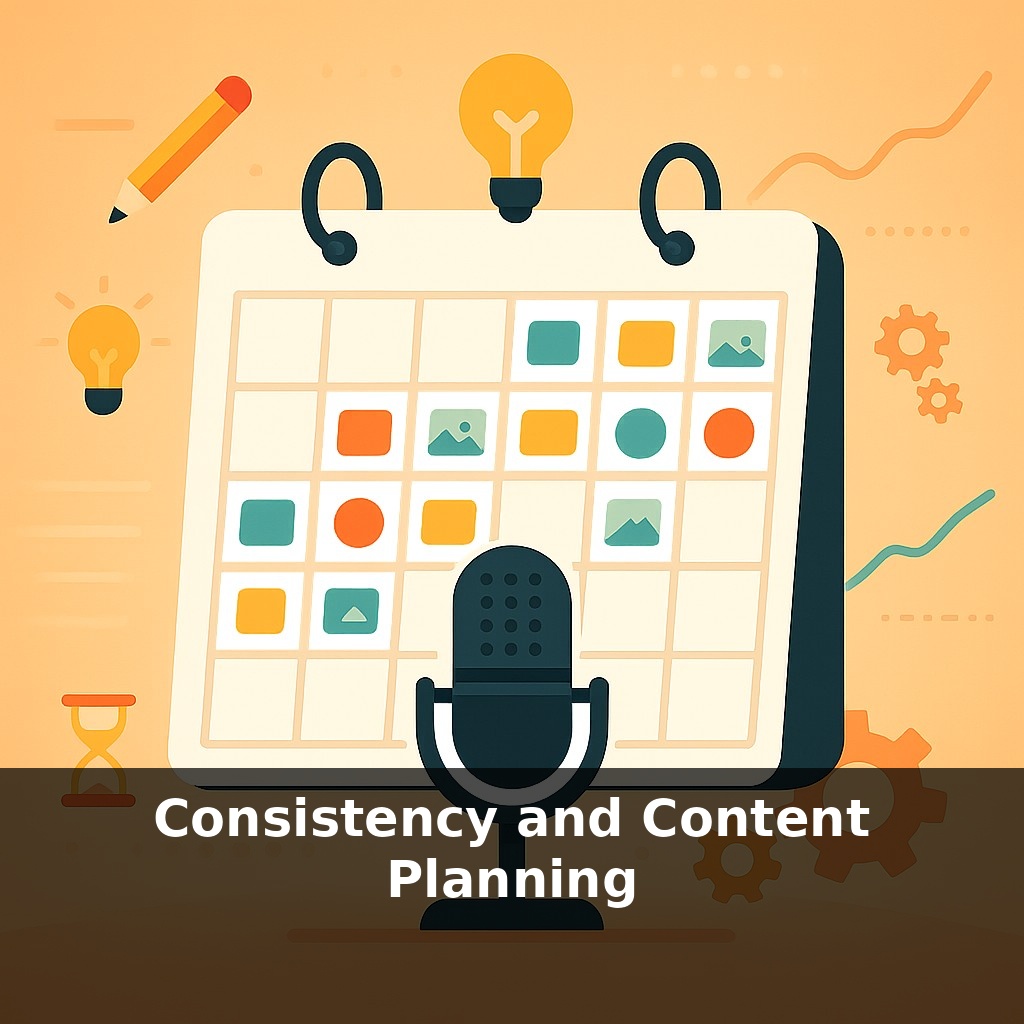
The final step is to translate this pattern into dates and tasks—assign topics to specific weeks, then break each post into steps on your calendar. When you sit down to work, the question is never “What should I write?” It’s simply, “What’s the next step I already decided on?”
Think of two creators with the same talent. Creator A wakes up and writes whatever feels urgent. Some weeks, three posts; then nothing for a month. Creator B quietly runs a simple system: Mondays are for outlining, Wednesdays for drafting, Fridays for polishing and scheduling next week’s post. After a year, B’s archive looks like a well-organized library; A’s looks like a junk drawer.
Here’s where it gets interesting: you can “program” your future output the way you’d configure an app. Decide input rules once—like “every Tuesday is case-study day” or “the first week of the month is for deep dives”—and let those rules generate topics. Real teams do this with recurring columns: SEO breakdowns on a fixed day, customer Q&As on another, industry news on a third. The calendar stops being a guilt-trip and becomes a menu.
Your week stops revolving around *whether* you’ll publish and starts revolving around *which slot* you’re filling and how ambitious each one can be.
As AI and search evolve, your calendar becomes less like a to‑do list and more like a strategic dashboard. You’ll see which topics compound, which formats spark backlinks, and when your audience quietly disappears. That feedback loop matters: it nudges you toward themed “seasons,” cross‑channel mini‑series, and planned refresh cycles instead of one‑off posts. Treat each quarter like a new product launch—tight focus, clear promises, and iterative upgrades based on real audience behavior.
Treat your calendar like a lab notebook, not a contract. After a month, zoom out: which posts felt like a slog but landed softly, and which “easy” ones punched above their weight? Adjust your mix the way a barista tweaks beans and grind size—small shifts that change the whole flavor—until your schedule fits how you actually work, not how you wish you worked.
Try this experiment: For the next 7 days, pick one pillar topic from your content plan (e.g., “behind-the-scenes of my process”) and commit to posting *only* that theme in one format (say, a 30-second vertical video) at the same time every day. Before you start, write down your best guess about which day’s post will get the most saves, comments, or replies. At the end of the week, compare your guess to the actual results and note which angle (story, tip, or FAQ) within that pillar got the strongest response. Use that winning angle as your “template” for the next week and repeat the experiment with a different pillar topic.