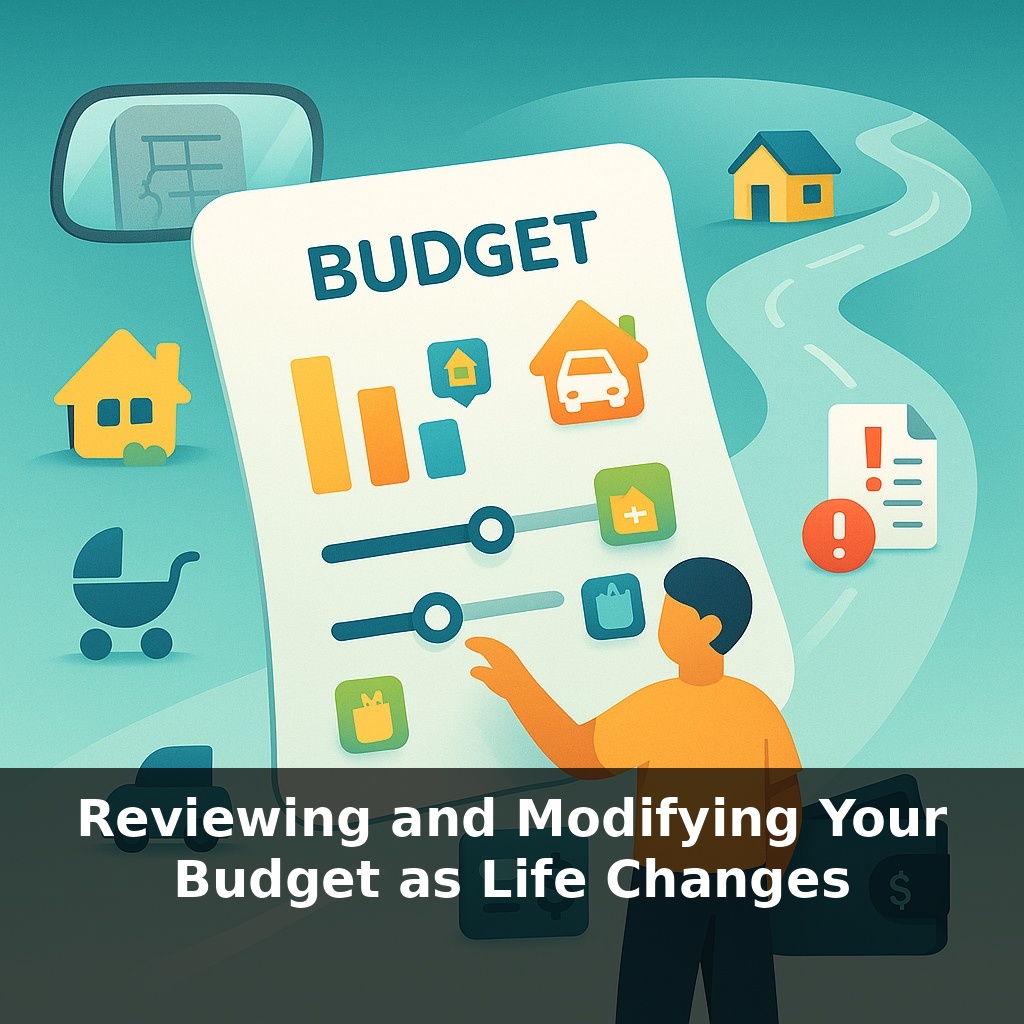
About a third of adults say a single four‑hundred‑dollar surprise bill would break their month—yet most budgets are treated like stone tablets. You get a raise, lose a job, or have a baby… and the numbers stay the same. How is a “static” plan supposed to fund a changing life?
Most people tweak numbers only when something feels “off”—the card balance creeps up, the checking account feels thin. But that’s like steering by your rearview mirror. The research is clear: people who look ahead, on a schedule, are the ones who hit their targets more often and stress less when life swerves.
Think of it this way: your money already has a rhythm—paychecks land, bills hit, subscriptions renew. Reviews simply match that rhythm on purpose. Monthly check‑ins catch leaks in your day‑to‑day spending. Quarterly reviews line up with bigger goals and seasonal shifts. And when life throws a plot twist—new job, move, baby, breakup—that’s your cue for a deeper reset. In this episode, you’ll learn how to build those reviews in, what to look for each time, and how to adjust quickly before small drifts become big problems.
So instead of asking “Does this spreadsheet balance?” the better question becomes “Does this still match my real life?” Your income, bills, and priorities shift in ways a simple row of numbers can’t predict—new hobbies, side gigs, rent hikes, or a partner moving in. That’s why the most useful money reviews zoom out: they connect what’s changing in your calendar, household, and even the economy to what needs to change in your categories. Like updating the software on your phone, these small, regular upgrades keep everything running smoothly before glitches turn into crashes.
Here’s where this gets practical: different kinds of change call for different kinds of budget edits. You don’t need to overhaul everything every time—just the parts that no longer fit.
Start with the simplest trigger: income shifts. The Consumer Financial Protection Bureau’s 10% guideline is a useful line in the sand. If your take‑home pay jumps or drops by that much, that’s a signal to re‑draw your plan, not just “wing it” for a few months. Otherwise, lifestyle creep quietly eats the raise, or a pay cut slowly drains savings instead of prompting clear trade‑offs.
Next are expense shocks. A $400 car repair or medical bill might not seem “life changing,” but the Federal Reserve data shows it’s exactly this size of surprise that destabilizes people. When something like that hits, don’t just pay it and move on. Ask: did this come from a category that needs to be bigger (car maintenance, health), or from nowhere at all? If it’s “nowhere,” you’ve just discovered a missing category.
Major life events deserve a different level of attention. Take a first child: USDA estimates about $1,500 a month in new costs that first year. That’s not just diapers and daycare; it’s extra takeout, higher utilities, bigger health premiums, maybe a different car. Instead of reacting bill by bill, build a temporary “transition year” version of your plan that reflects the reality you’re walking into, not the one you just left.
Retirement is similar but slower. Fidelity’s note that healthcare grows around 4.2% a year—twice the pace of other spending—means you can’t just set one number and hope. Each year, nudge that line up and look for a matching nudge down elsewhere so your total stays sustainable.
On the micro level, the T. Rowe Price finding about weekly trackers saving 23% more hints at a simple edge: more frequent attention creates more chances to course‑correct. Think of it like debugging code: the more often you run tests, the cheaper it is to fix small errors before they crash the whole program.
Over time, these adjustments stop feeling like emergencies and start feeling like routine maintenance. The goal is not perfection; it’s responsiveness—so your plan bends with your life instead of snapping when pressure shows up.
When your world shifts, it helps to think in “version updates” instead of “fix this one bill.”
Say you start a remote job. Version 1.0 of your plan assumed commuting, work clothes, and office lunches. In Version 2.0, gas and dry cleaning shrink, but your power, internet, and grocery lines all quietly swell, plus you may need a better chair or laptop. Rather than hoping it evens out, you deliberately recode those categories for a home‑based work life.
Or consider taking on a roommate. Rent drops, but shared expenses appear: streaming accounts, bulk groceries, higher water and electric, maybe renter’s insurance in both names. That’s a structural change, not a “tight month,” so you’d rebuild housing, utilities, and fun money around the new household size.
Even smaller shifts can warrant a mini‑update: training for a marathon, joining a choir, starting therapy. Each brings recurring costs—shoes, sheet music, co‑pays—that deserve named lines, not random “miscellaneous” swipes that slowly erode everything else.
Quarterly reviews today might feel manual, but they’re a bridge to something smarter. As tools evolve, your plan could react like adaptive cruise control: easing off when overtime dries up, accelerating extra savings when a bonus hits. Employer wellness programs may nudge you before open enrollment, or when childcare costs usually spike. The opportunity—and risk—is customization: your future “default settings” will shape how quickly you recover from shocks or capitalize on good surprises.
Your money system will never be “finished,” and that’s the point. Each review is like editing a draft: you cut what no longer fits, highlight what matters now, and leave room in the margins for surprises. Over time, you’ll notice patterns—seasons when cash runs tight, months when it overflows—and you can let those rhythms guide smarter, calmer decisions.
Before next week, ask yourself: 1) “If my income dropped by 20% tomorrow, which 3–5 budget categories (like eating out, subscriptions, or travel) would I immediately shrink or cut, and what exact dollar amount would I free up?” 2) “Looking at the last 30 days of transactions, which recurring expense no longer fits my current season of life (new baby, job change, move, etc.), and what specific change am I willing to make to that line item this week?” 3) “If I treated my budget as a ‘living document,’ what scheduled check-in (day, time, and length) can I realistically commit to each month to review my spending, update any life changes, and adjust my goals?”