About a third of people who start a “dream job” are polishing their résumé again before the first year ends. You walk in excited, smart, and qualified—yet quietly start doubting yourself by month three. So what actually separates the ones who thrive from the ones who quietly eject?
Twelve months sounds generous—yet in a new role, they go by in “dog years.” Week 1 is a blur of names and logins. By week 6, you’re juggling real deadlines with a half-built mental map of how anything actually gets done. Around month 4, the shine has worn off, but the expectations haven’t—and this is where many people quietly start to drift.
Here’s the part most career advice ignores: your first year isn’t just about proving you were a good hire; it’s about actively designing how you’ll work, learn, and be seen. Companies usually focus on paperwork and policies. You need to focus on relationships, reality-checking your role, and setting goals you can grow into, not just hit.
In this episode, we’ll treat your first year like a long, deliberate experiment—one where you’re not just surviving the learning curve, you’re shaping the job to fit the career you actually want.
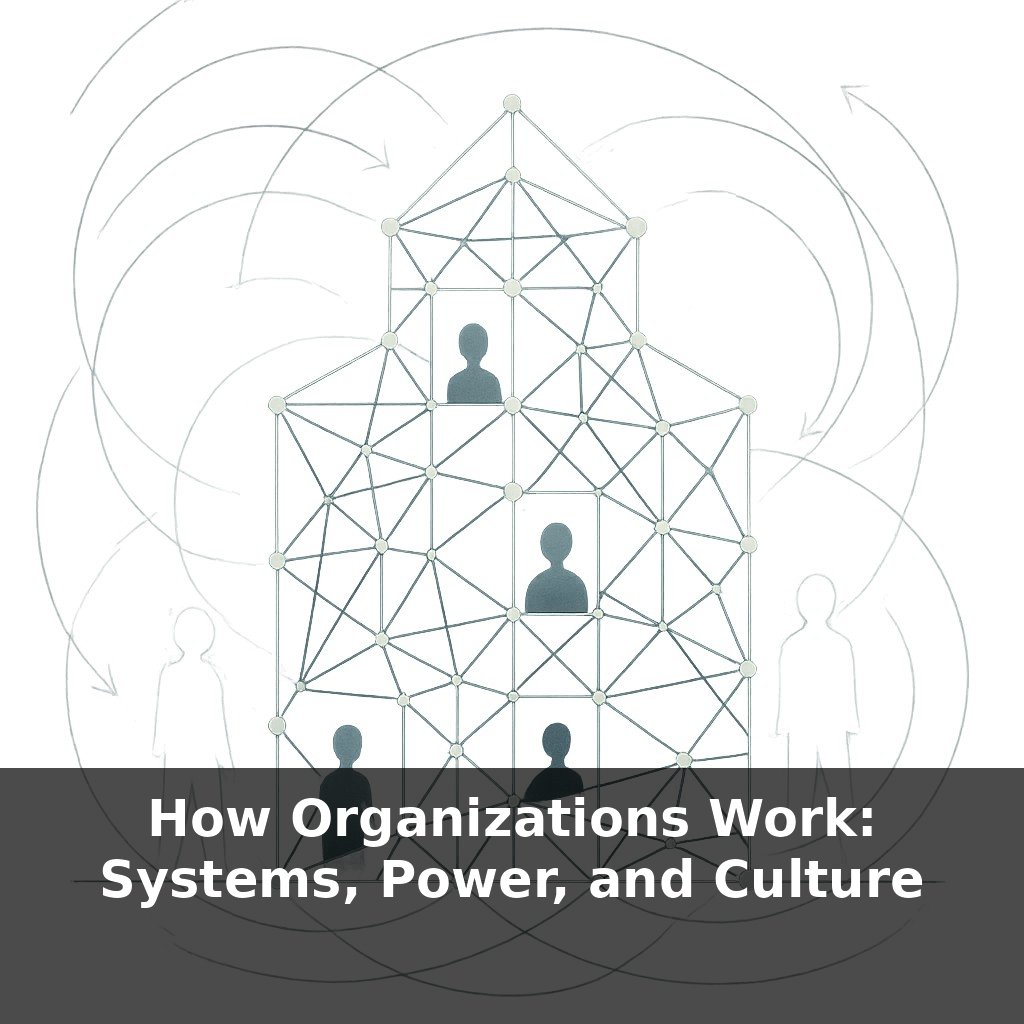
Most people treat those first 12 months like a long audition: head down, don’t bother anyone, hope your work speaks for itself. The research points in a different direction. What actually predicts whether you’re still there—and thriving—three years later isn’t raw talent; it’s how intentionally you plug into the system around you. Think less “prove you belong” and more “learn how this ecosystem really works.” That means decoding who influences decisions, how success is quietly measured, and what gaps no one owns yet. Your value isn’t just what you do, but how quickly you learn to navigate the hidden map.
The paradox of a new role is that everyone says “take your time ramping up,” while your inner voice is screaming, “Deliver something impressive now.” That tension is normal—and dangerous—because it pushes people into two unhelpful extremes: either overpromising to look brilliant or staying so cautious they’re invisible.
Here’s a better frame: in year one, you’re running three parallel tracks—learning, contribution, and positioning—and you’ll rotate emphasis across the year instead of maxing all three at once.
Track 1: Learning. Early on, you’re not just learning tasks, you’re collecting data about how work actually flows. Instead of asking, “How do I do this task?” try, “When this goes well, what’s different?” and “Who else usually touches this?” These questions surface patterns and unwritten rules. They also quietly flag you as someone who thinks beyond their own to‑do list.
Track 2: Contribution. You don’t need one giant home run; you need a series of visible, well-chosen singles. Look for “low-risk, high-clarity” work: neglected documentation, recurring problems nobody owns, or handoffs that always seem messy. Delivering small, complete fixes builds trust faster than volunteering for the flashiest project and struggling.
Track 3: Positioning. This is about how others start to mentally file you away: dependable executor, thoughtful problem-solver, connector, specialist. You nudge that perception by the kinds of questions you ask, the problems you offer to take on, and what you share in updates. When you talk about your work, link it to outcomes your manager’s manager cares about—customer impact, risk reduced, revenue protected, time saved.
To keep the three tracks in balance, zoom out monthly and ask: “Where am I over-indexing? Where am I under-investing?” Maybe you’ve been learning a ton but not shipping. Or shipping constantly but not stepping back to understand the wider system. Slight rebalance beats dramatic course-corrections.
New roles always contain more ambiguity than anyone admits. Instead of waiting for clarity, use questions, experiments, and small bets to create it. Over time, others will start coming to you—not because you had everything figured out on day one, but because you kept turning uncertainty into shared progress.
Think of your weeks in “seasons” instead of a flat ramp. In the first 30 days, your questions are like diagnostic tests: you’re not trying to solve everything, you’re trying to see where the real problems live. Notice who gets pulled into every crisis, whose calendar is always full, which projects never quite finish—that’s where hidden leverage sits.
By months 2–4, start running tiny experiments. Join one cross-functional meeting you’re not “required” to attend and just listen for friction points. Offer to review a process that everyone complains about but no one owns. Treat each small bet like a lab trial: clear hypothesis, limited scope, fast readout. “If we change X template, do we cut review time this week?” beats vague promises to “streamline workflows.”
A single, well-chosen win here—like unblocking a recurring delay—quietly upgrades how people file you in their heads. In medicine terms, you’re shifting from “new resident learning the charts” to “the person who spots patterns and actually improves the protocol.”
Your first year is also when you quietly prototype your future moves. The patterns you notice now—where work bottlenecks, who protects focus time, which projects actually change things—become a personal playbook you can carry to any role. Treat it like tuning a recipe: adjust one ingredient at a time, log what works, and keep the base method. Over a few roles, you won’t just adapt faster; you’ll arrive already knowing how to shape chaos into something you can grow in.
Treat this first year less like a pass/fail test and more like a pilot season. You’re sampling roles you might grow into, stress-testing your habits, and noticing where your energy spikes or drains. Keep adjusting the “settings” on how you communicate, prepare, and recover. Over time, those tweaks compound, and the job starts bending closer to the life you want.
Here’s your challenge this week: Before Friday, schedule 3 separate 20‑minute “career clarity” coffees with people who are 3–5 years ahead of you in roles you’re curious about, and ask each of them the same 5 questions about what actually matters in year one (how they were evaluated, mistakes they made, and what they’d do differently). Block 30 minutes right after each conversation to turn what you heard into one concrete behavior you’ll test in your current role (for example, how you prep for 1:1s, how you share updates, or how you ask for feedback). By Sunday night, choose the single behavior that came up most often across those three chats and commit to doing it every workday for the next two weeks.