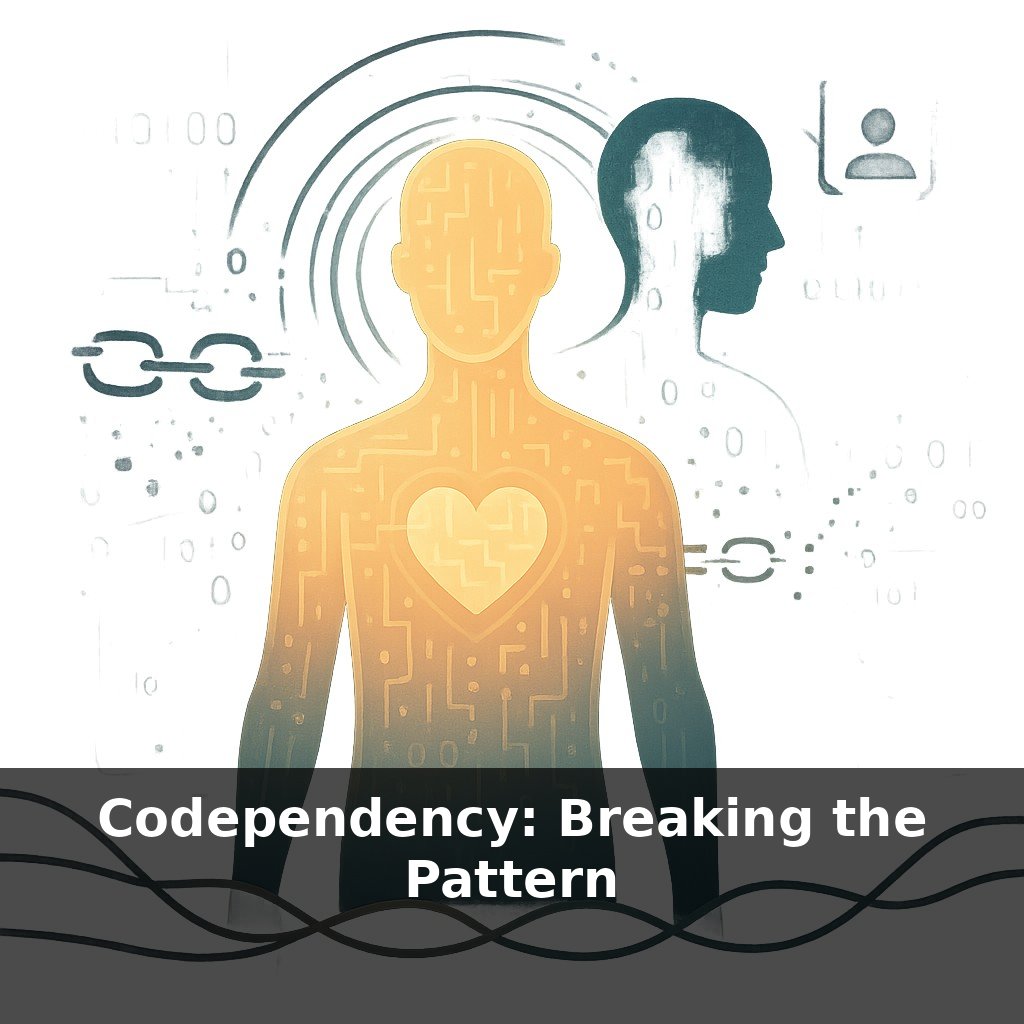
About half of adults carry hidden patterns in their relationships—yet most can’t name them. You’re comforting a frantic partner, cancelling your plans, telling yourself, “This is just who I am.” Later, you feel oddly drained. If this is love, why does it quietly exhaust you?
Roughly 40% of adults show some level of insecure attachment—a quiet signal that codependent patterns are more common than most people think. Not just in “toxic” relationships, but in ordinary moments: saying yes when you mean no, absorbing someone else’s mood, feeling weirdly responsible for another adult’s choices. These don’t feel dramatic; they feel normal, even virtuous.
But neuroscience suggests something more mechanical is happening: your brain is tracking tiny rewards (their approval, their relief) and tiny threats (their disappointment, their withdrawal), and wiring them into habits. Over time, you don’t decide to over-give—you slide into it.
This episode is about catching that slide in real time. Not judging it, not fixing it overnight—simply learning to spot the recurring moves in your own “relationship choreography” as they unfold.
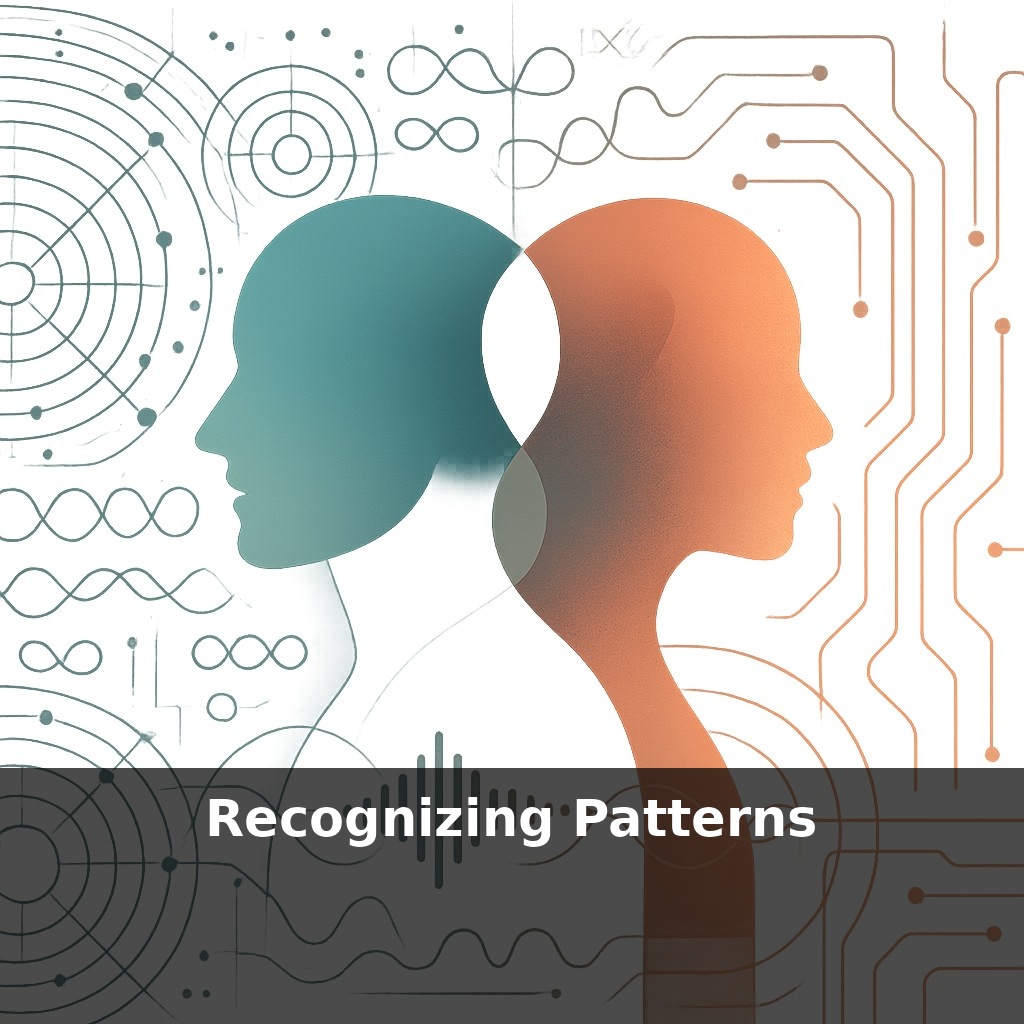
Think of this step as switching from being *in* the scene to also being the quiet director watching from the side. Most people in codependent loops only notice the big blow‑ups or the late‑night crashes—almost no one tracks the small, repeatable “micro-moments” that lead there: the text you answer immediately, the joke you swallow, the favour you say yes to before you’ve even checked your calendar. Neuroscience research suggests these tiny moves are where rewiring actually starts, because that’s where your attention—and your choices—can still be redirected. So we’ll zoom in, not on *why* you do it, but on *when* and *how often* it shows up.
Roughly 40% of adults lean insecure in attachment, yet most don’t realise how predictably their days follow the same emotional script. One fight looks unique, but when you strip the details, the sequence often repeats: someone signals distress, you tense up, you move in to fix, you disappear a little.
To recognise that sequence, it helps to zoom in on three layers: **triggers, internal shifts, and outward moves.**
**1. Triggers: what reliably sets the scene**
Look for situations that consistently flip you into over‑responsibility:
- Their bad mood you “must” improve - Vague disapproval (“I guess I’ll manage”) - Crises at inconvenient times - Silence, slow replies, or subtle withdrawal
You’re not analysing *why* yet—just noticing what reliably tilts the floor.
**2. Internal shifts: the body’s early alarm system**
Before you speak or act, your nervous system reacts. Typical early signs:
- A jolt of urgency: “Do something, now” - Heat in your chest or face - A drop in your stomach when they sigh or frown - Mental static—hard to think about anything but making this okay
These are like notification pings telling you your old pattern is logging on.
**3. Outward moves: the familiar sequence of behaviours**
Once the alarm goes off, behaviours tend to line up in a chain:
- Immediate reassurance: “It’s fine, I’ll handle it” - Pre‑emptive fixing: offering solutions they didn’t ask for - Self‑erasure: skipping your needs, preferences, or limits - Emotional over‑functioning: you feel 90% of the feelings in the room
Notice especially where you *cross the line* from healthy care into control: giving advice they didn’t request; “checking up” when they’ve said no; managing other people’s reactions so you don’t have to feel your own anxiety.
A simple example: your partner texts, “Today was awful.” Trigger: their distress. Internal shift: tight chest, racing thoughts, urge to respond instantly. Outward moves: you pause work, type a long reply, offer three solutions, and say, “Call me anytime tonight,” even though you’re exhausted. Later, you feel oddly irritated—but at yourself, not them.
The more precisely you can map *your* version of this chain, the faster you’ll catch it mid‑sequence, when change is still possible, rather than only after the crash.
You might notice this most clearly in ordinary, low‑drama days. You’re at lunch with a friend, they glance at their phone and go quiet. Without thinking, you crack a joke to “fix” the mood, offer to help with whatever’s wrong, and leave having shared almost nothing about yourself. Or your coworker sighs in a meeting, and you instantly volunteer to take on the extra task so no one is disappointed. Later, you’re oddly wiped out, as if you worked a double shift no one saw.
Like finally noticing a low, looping background track that’s been playing for hours, once you tune in you can’t unhear the repetitive melody of over‑giving and approval‑seeking. This is where deliberate tools help. Emotional‑granularity journaling—writing not just “I felt bad,” but “I felt panicky, then obligated, then resentful”—acts like zooming in on the waveform of that track. You start seeing where the volume spikes: particular phrases, tones, or expressions that pull you into familiar roles, long before any visible conflict happens.
Stress‑sensing wearables and emotion‑aware apps may soon flag “you’re sliding into fixer mode” the way navigation apps warn of traffic ahead. Your phone could learn the cadence of texts that hook you, nudging you to pause before replying. If schools begin teaching boundary literacy alongside digital literacy, future couples might treat pattern‑checks like routine software updates—less drama, more debugging together, and fewer relationships running on outdated approval scripts.
Conclusion: As you spot these loops sooner, choice quietly returns. You can let a text sit, name your feeling, or say, “I need a moment,” without turning it into a drama. Over time, these tiny detours add up—more like gently steering a car one degree at a time than slamming on the brakes—shifting you toward relationships where care runs both ways.
Before next week, ask yourself: 1) “In the last few days, when have I reacted almost *automatically* in a conversation (same argument, same shutdown, same over-explaining), and what familiar pattern was I replaying there?” 2) “What’s one specific ‘trigger’ I’ve noticed lately—like a certain tone of voice, an email from a particular person, or a recurring time of day—that almost always sets off the same story in my head, and what alternative story could I experiment with instead?” 3) “If I zoomed out and watched a highlight reel of my week, what 1–2 recurring loops (like overcommitting, procrastinating on hard tasks, or avoiding feedback) would show up over and over, and what’s one moment tomorrow where I can pause for 10 seconds and choose a different response on purpose?”