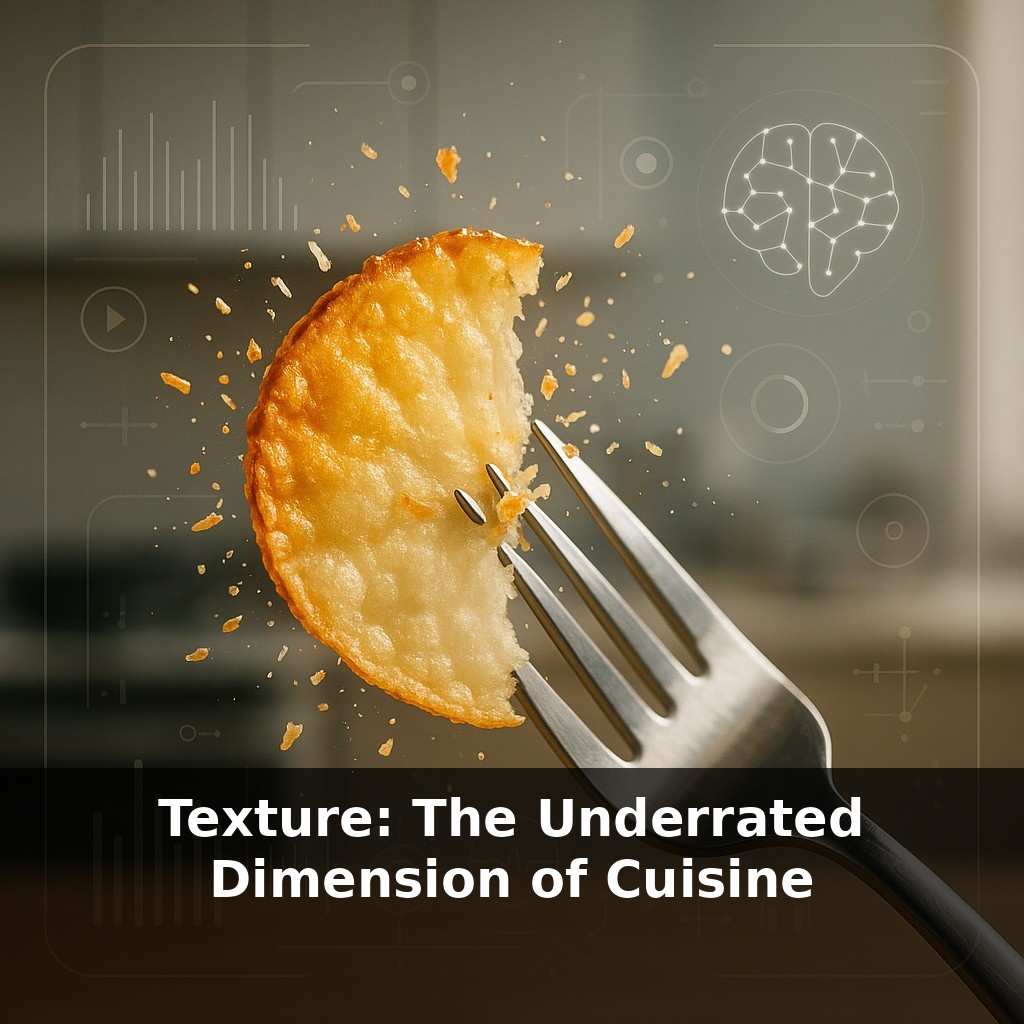
About a third of what you enjoy in a bite of food isn’t flavor at all—it’s texture. Think of biting a chip that doesn’t crunch, or cutting into a steak that chews like gum. Same seasoning, same ingredients, but your brain quietly decides: “Nope.”
So here’s where it gets interesting: your kitchen already has most of the “texture controls” you need—you’ve just been using them accidentally. The way you reheat pizza, the order you add butter and water to pastry, how long you rest a steak, whether you stir a risotto like a maniac or barely touch it… each of those choices quietly rewires the structure inside your food.
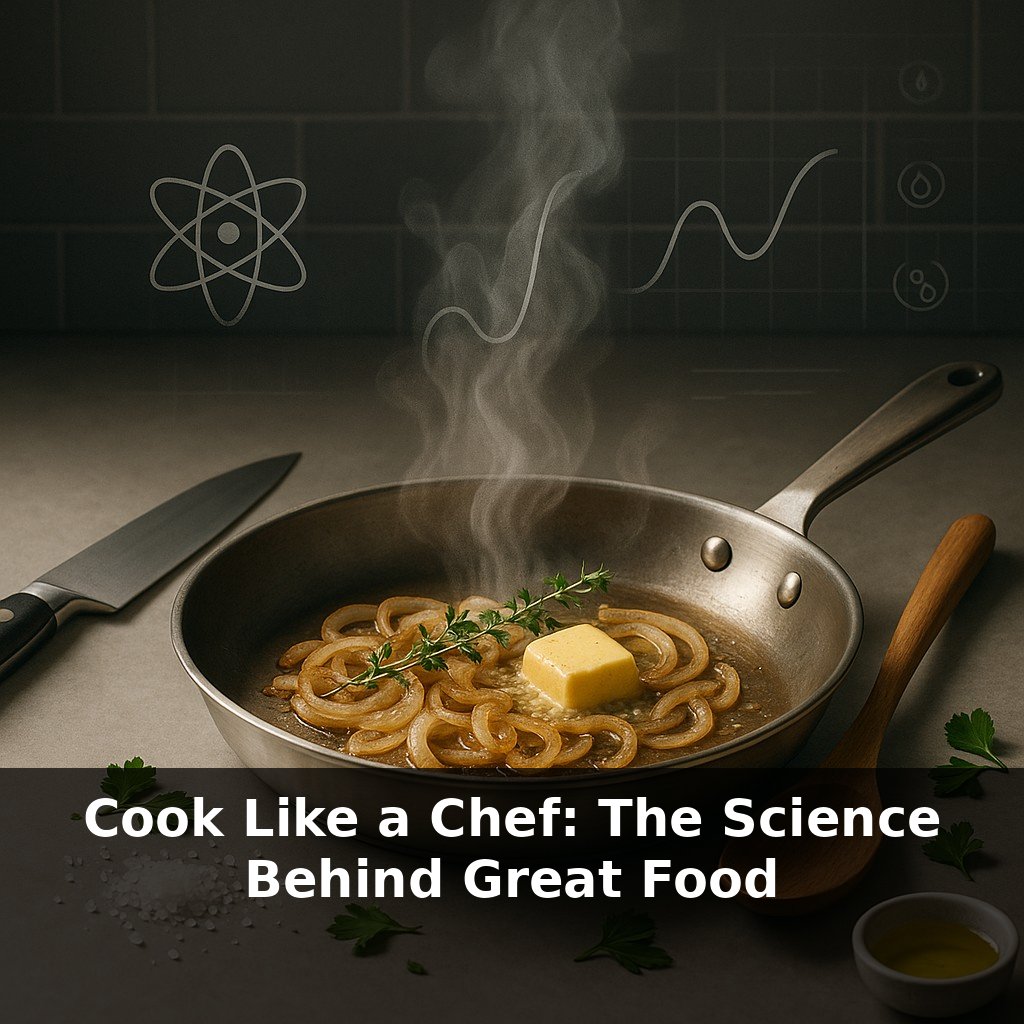
Think of a pan like a stage light: low heat lets proteins slowly rearrange into tenderness, while high heat snaps moisture into steam and builds a crust before the inside can catch up. The trick isn’t owning fancier gear; it’s learning which knobs matter for the bite you want.
In this episode, we’ll treat common techniques—double-frying, simmering, emulsifying—as precise tools, not rituals, so you can reliably call your shots: shatteringly crisp, softly bouncy, or silk-sauce glossy, on demand.
Now we zoom in one layer deeper: instead of just “hot pan, cold oil” or “gentle simmer,” we’re talking about how heat and time quietly rearrange proteins, starches, fats, and water into totally different textures. That’s why the same potato can be fluffy in the center yet glassy at the edge, or why a custard walks a tightrope between silky and scrambled. Pastry chefs obsess over how starch swells and sets; noodle makers chase that exact chew by tweaking moisture and rest; sauce makers rely on slow whisking so fat droplets stay tiny and the sauce feels plush instead of greasy. Those choices aren’t magic—they’re structure.
Texture: The Underrated Dimension of Cuisine
MAIN_EXPLANATION ================
Here’s where we stop thinking in vague labels like “crispy” and “creamy” and start thinking in structures you can actually control.
Take starch. Below a certain temperature, its granules are like tiny locked vaults. Cross that 60–75 °C window and they swell, absorb water, and leak molecules that turn liquid into something that moves slowly, holds on to sauce, and feels “thick” on the tongue. Hit them with too much heat or agitation and those granules burst; suddenly your once-glossy sauce slides off the spoon like flavored water. That’s why a careful simmer gives luxurious pasta sauce cling, while a hard boil can sabotage it.
Proteins tell a similar story but on a looser schedule. As they denature from 55–80 °C, they tangle and form networks. In meat, that can mean tender and juicy or dry and squeaky, depending on how fast you push them. In custards and silky egg sauces, you’re threading a needle: enough network to hold shape, not so much that water gets squeezed out and you feel curds instead of cream.
Fats complicate things in a good way. Tiny fat droplets suspended in water—emulsions—act like ball bearings between your teeth, giving sauces that gliding, plush feel. The smaller and more numerous the droplets, the more “creamy” your brain decides the sauce is, even if the actual fat percentage hasn’t changed. That’s why slow whisking and gradual additions matter: you’re engineering droplet size, not just “mixing stuff together.”
On the opposite end is crunch. A true crisp isn’t just “dry”; it’s a rigid, fragile structure full of microscopic voids. Bite force builds, then collapses in a quick, noisy fracture. If water sneaks back in, those rigid walls soften, and suddenly your brain hears a dull thud instead of a sharp snap. Managing where the water lives—locked in the center, driven off the surface, or bound up in starch—is how you choose between crackle, chew, and gooey stretch.
Once you see food as these shifting networks and pockets—starch gels, protein webs, fat droplets, air cells—you can stop guessing and start deciding: Do I want this potato to sigh into fluff, or shatter, or both in one bite?
---
Your challenge this week: cook the *same* ingredient three ways, aiming for three distinct textures using heat and time alone. For example, take potatoes and make: 1) a velvety purée (gentle simmer, thorough mashing, enriched with fat), 2) pan-crisped coins (pre-cook to just tender, then high heat to dehydrate the surface), 3) a bouncy, roasted wedge (hot oven, minimal pre-cooking, plenty of surface drying).
As you cook, note: - When the texture *first* starts to change. - How the bite feels at the center vs. the edge. - What happens if you extend the same step by just 2–3 minutes.
No extra gadgets, no new ingredients—only heat, time, and your attention on how the bite transforms.
Now zoom in on foods you already know. Take scrambled eggs: push the heat a bit higher and stir less, and you’ll get big, custardy curds that feel almost bouncy. Drop the heat and stir constantly, and the same eggs turn into tiny, soft curds that spread like a loose paste. Same ingredients, same pan—two completely different “maps” for your tongue to explore.
Bread offers another clue. Tear open a supermarket sandwich loaf and it compresses into a tight ball; an artisanal sourdough resists, then springs back with irregular holes. That spring isn’t romance; it’s a stronger internal scaffolding. You’re feeling how thoroughly the dough trapped gas and set as it baked.
Think like an architect: you’re not just cooking “a carrot”; you’re deciding whether you want a crunchy column, a tender beam, or a silky purée “floor.” Once you start noticing how each choice rearranges that structure, you’ll realize texture isn’t mysterious—it’s negotiable.
Soon you’ll see “crisp lifespan” or “chew level” printed beside nutrition labels. That isn’t marketing fluff—it’s a shortcut to choosing how your dinner will *feel* before you buy it. Think of it like an interest rate for mouthfeel: you’re promised a certain return on crunch or creaminess over time. At home, you’ll tweak that “rate” yourself—choosing storage, reheating, and even plating methods to preserve the textures you value most, instead of leaving them to chance.
Think of this as expanding your “texture vocabulary”: the more variations you cook on purpose, the more your hands will start predicting outcomes before your brain catches up. Soon you won’t just follow recipes—you’ll tune them, like adjusting EQ on a soundboard, boosting crunch here, softening chew there, until each bite fits the story you want to tell.
Before next week, ask yourself: How could I change the *texture* of one go-to meal (like your usual pasta, salad, or stir-fry) by adding just one contrasting element—say, something crunchy (toasted nuts, panko), bouncy (mochi, tapioca), or silky (a yogurt or tahini drizzle)? When you eat your next snack, can you pause mid-bite and ask, “What exactly am I enjoying here—the flavor, or the crunch/chew/snap—and how would this feel different if the texture changed?” If you cook for others, what’s one dish you could tweak this week to better match their texture preferences (e.g., a smoother soup for someone who hates “bits,” or extra crisp edges for someone who loves crunch), and how do they react when you serve the new version?