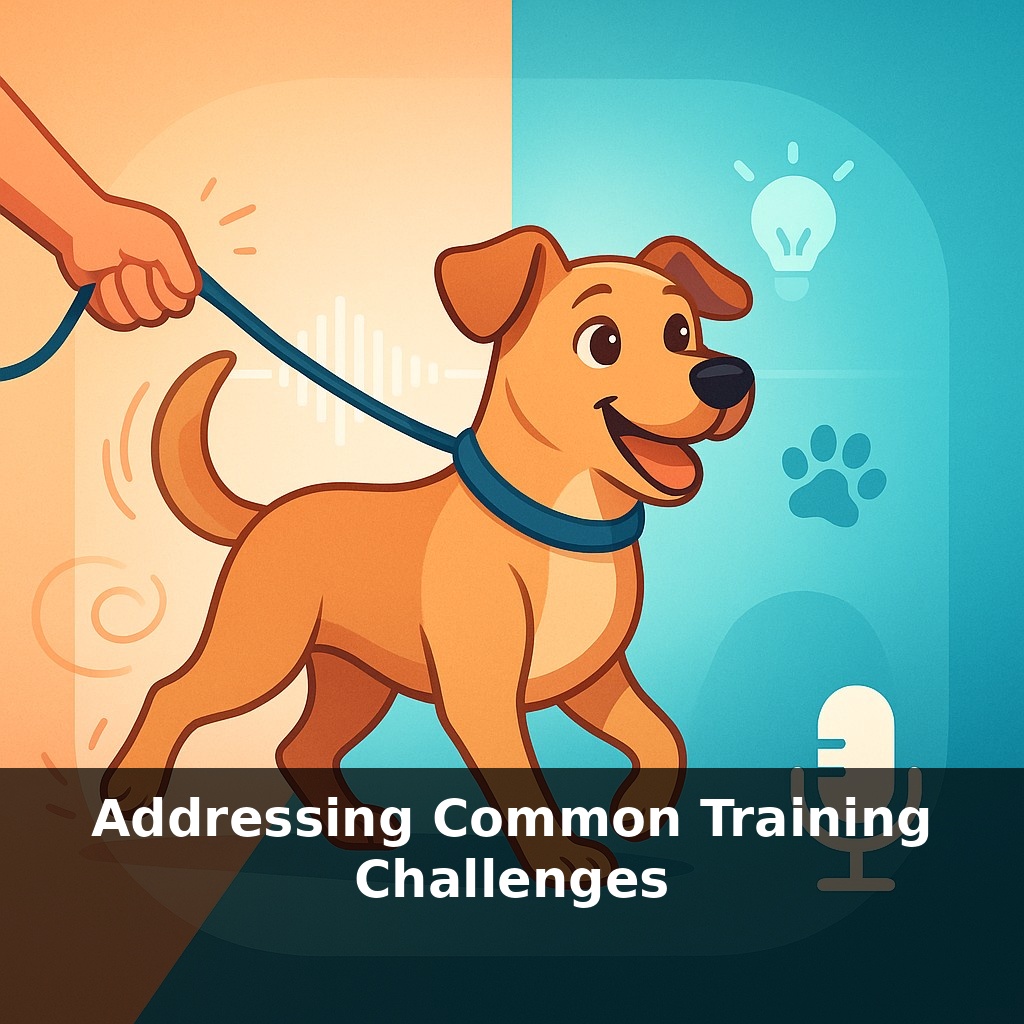
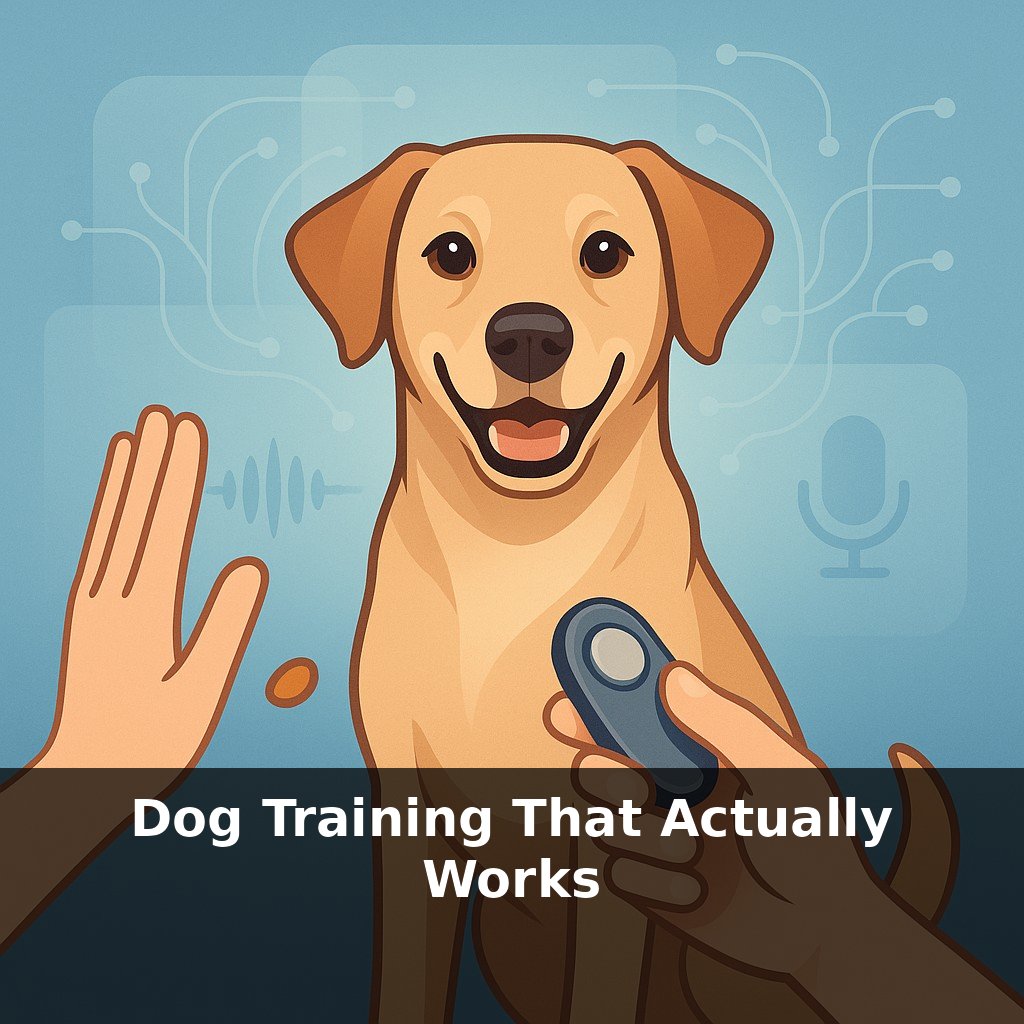
About half of dogs given up to shelters are there partly because of behavior problems. This stark reality highlights the pivotal role of effective training. In the blink of an eye, your calm pooch morphs into a whirlwind of energy when you clip on the leash. What's the missing link? Same house, same human, but why does the training 'work' one day and fall apart the next? What's the missing link? Same house, same human, but why does the training 'work' one day and fall apart the next? In today's episode, we delve into decoding this mystery.
Roughly 3.3 million dogs enter U.S. shelters every year, and behavior is cited in almost half of those surrenders. That sounds like millions of “bad dogs” and “failed training plans”—until you zoom in and notice what’s usually missing. Most of those dogs are running on an empty battery: too little exercise, too few chances to use their brains, and no clear feedback about what actually earns them safety and rewards. In that state, even a well-practiced sit or calm walk can short‑circuit under stress. Think less “stubborn” and more “overloaded system.” When we start by meeting basic physical and mental needs and then adjust the environment—like changing the channel on a noisy radio—training suddenly stops feeling like you’re arguing with your dog and starts feeling like you’re finally speaking the same language.
So instead of asking why your dog “won’t listen,” start asking, “What’s driving this behavior right now?” Science‑based training zooms in on three big levers: what happens *before* the behavior (triggers and setup), the behavior itself, and what happens *after* (consequences). Shift any of those, and you shift the behavior. A lunging dog might be too close to a trigger, paid off by getting distance, and rehearsing the same move daily—like a bad habit loop on repeat. When you tweak distance, block rehearsals, and heavily reward alternatives, the whole loop starts to rewire.
Here’s where the science gets really practical: most “big” training challenges shrink when you dissect them into three pieces—what your dog feels, what your dog learns from each moment, and what you can change right now without needing hero‑level skills.
First, feelings. Fear, frustration, and over‑arousal sit behind a huge share of aggression, reactivity, and “disobedience.” That Cornell audit (and many similar clinic reports) points to fear as a top driver of bites. A scared dog isn’t calculating; they’re surviving. That matters, because a survival brain doesn’t learn well. If your dog is already barking, lunging, or shutting down, you’re past the point where teaching is efficient and into damage‑control territory. For many dogs, simply adding distance from triggers, reducing noise and chaos, or giving predictable routines nudges them back into a state where they can actually absorb new information.
Second, learning. Studies comparing methods keep finding the same pattern: when we focus on teaching what *to* do and paying generously for it, dogs learn faster and with fewer side effects. Positive‑reinforcement plans regularly show 25–40% quicker cue acquisition than punishment‑heavy ones. At the same time, data from families using mainly aversive tools show something worrying: those dogs are almost three times more likely to show aggression toward their own people. That doesn’t prove every correction causes aggression, but it strongly suggests that routinely pairing the owner with pain or fear is a bad trade‑off.
This is where classical and operant conditioning quietly run the show. Operant: behaviors that “work” get repeated. Classical: emotions hitchhike on whatever predicts them. Yanking a leash might suppress a lunge in the moment, but if the dog starts to associate “seeing dogs + feeling pain + hearing my person’s angry voice,” you’ve just welded more tension onto that trigger.
Third, strategy. Effective plans almost always combine better management with microscopic wins. Management is the unglamorous stuff—walking at quieter times, using barriers, avoiding dog parks for a while, rotating guests so the house isn’t a parade. Those changes don’t “fix” behavior, but they stop the daily rehearsals that keep problems alive.
Then you zoom in and reinforce tiny slices of what you want: one second of soft eyes when the neighbor appears, a half‑step of loose leash when a skateboard rolls past, a single voluntary glance back at you in a crowded lobby. Think of it like carefully adjusting the dosage of a medication: a little too strong (too close to the trigger, too hard a challenge) and the side effects spike; a little too weak (never practicing at all) and nothing changes. By shifting intensity in small increments and paying well for each success, you gradually change both the habit and the underlying emotion, which is where durable behavior change actually lives.
A useful way to apply all this is to treat your daily life like a low‑stakes training lab. You’re not adding extra “sessions” so much as quietly editing moments that already happen. Dog rushes to the door when the bell rings? Before it becomes a full sprint, mark and pay for the first tiny pause or head turn your way, then calmly escort them with you. Barking at the window? Instead of waiting for the explosion, feed a steady stream of small rewards as they *notice* the passerby and stay under threshold, then end the viewing session before they tip over. Walking past a yard with a fence‑runner? Cross the street *early*, cue an easy behavior your dog knows well, and pay generously while you pass. Over days, that corner stops being a battle and becomes the spot where good things predictably happen. Like tuning an instrument one string at a time, you’re nudging each everyday scene a little closer to “on key” instead of trying to fix the whole symphony in one go.
Smart tools are about to turn everyday life into rich training data. AI that reads posture and micro‑movements could warn you *before* a worried dog tips over, like a weather app flagging an incoming storm while skies still look clear. VR “neighborhoods” may let vets and trainers rehearse tricky scenarios safely for under‑vaccinated puppies or bite‑prone adults. As welfare laws tighten and genetic screens flag risk early, the trainers who thrive will be those fluent in humane methods and comfortable with these new diagnostics.
Your challenge this week: Focus on refining just one activity. During feeding time, try altering your tone of voice and observe any changes in your dog's reaction. For walks, consciously slow your pace and watch how your dog adapts. If settling on the couch, practice rewarding small behaviors like calm sitting. Record your observations daily, assessing which slight alteration had the most positive impact.