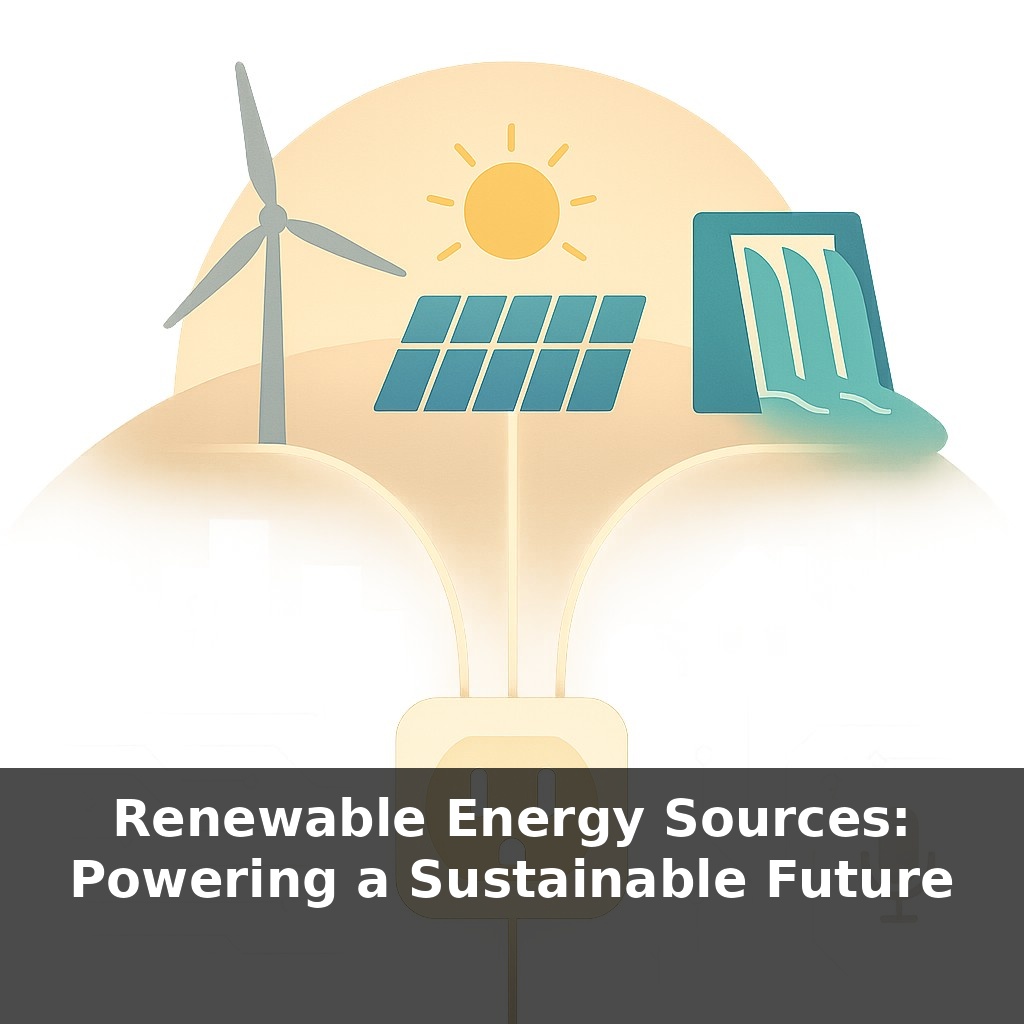
In a surprising twist, nearly a third of the world’s electricity now comes from the wind, the sun, and flowing water. Yet in most homes, it still feels like power just “comes from the socket.” How did that quiet revolution happen—and how far can it really go?
In the last episode, we traced how cleaner electricity actually gets made. Now we zoom out: can these sources realistically power almost everything—homes, cars, data centers, even heavy industry—without the lights flickering or bills exploding?
The shift is no longer just about swapping fuels at a power plant. It’s about redesigning the entire energy “playing field”: grids that can flex, storage that soaks up surplus, and markets that reward using power at smarter times. Costs have flipped the script—new solar and wind are often cheaper than just running existing fossil plants—yet headlines still warn about blackout risks and “unreliable” renewables.
We’ll untangle that tension: how close we are to a renewables-dominated grid, what’s technically possible today, what still blocks progress, and why your next appliance, roof, or commute is part of the infrastructure of a low-carbon future.
So if cleaner electricity is racing ahead, why does it still feel like we’re tiptoeing into the future instead of sprinting? Part of the answer: our systems, rules, and habits were built for big coal and gas plants, not millions of rooftop panels and giant batteries. Costs tell one story—solar and wind are now among the cheapest new sources of power—but planning a grid is more like urban design than shopping: you must decide where things go, who connects first, and which “neighborhoods” get upgraded. Policy, permits, and old business models can slow progress more than physics or engineering.
Here’s the twist: the big story about renewables is less “can we generate enough?” and more “can we move and time that energy wisely?” The numbers say yes on quantity; the challenge is choreography.
First, scale. Costs for solar and wind kept dropping so far, so fast that planners misjudged how quickly they’d spread. Many regions now have long queues of clean projects waiting just to plug into the grid. In the U.S. and Europe, connection delays of 5–10 years are common—not because we can’t build the projects, but because we haven’t modernized the “on-ramps” and transmission “highways” that move power from windy plains and sunny deserts to cities.
Second, diversity. A system that leans on multiple renewables behaves very differently from one that leans on just one. Coastal areas might rely on offshore wind that blows hardest in winter nights; hot interiors might lean on summer solar peaks; mountain regions may have flexible hydro that can ramp quickly when clouds roll in. Real-world grids in places like Denmark, Portugal, and parts of Australia already run on very high shares of renewables for long stretches, not by finding a perfect source, but by layering many imperfect ones together.
Balancing this mix across time is where storage, demand response, and smarter forecasting come in. Batteries handle rapid, short swings; longer-duration options—pumped hydro, compressed air, thermal storage, even green hydrogen—are being tested for multi-day or seasonal gaps. On the other side of the meter, flexible demand is starting to matter as much as flexible supply: EV chargers that slow down when the grid is tight, data centers that shift computing tasks to windy hours, factories that pre-heat materials when power is cheap and clean.
Think of it less as a single power plant “always on,” and more as a well-trained soccer team: different players step up at different moments—goalkeeper, defenders, strikers—but the scoreboard only cares that the team covers all 90 minutes without letting things fall apart. The emerging art is system design: matching regional resources, wires, storage, and flexible uses so that, from your outlet’s perspective, the transition feels boringly reliable.
In practice, this choreography already shows up in specific, sometimes surprising pairings. In Chile’s Atacama Desert, solar farms crank out so much midday power that new copper mines are timing the most energy-hungry steps of ore processing to those bright hours, cutting both costs and emissions. In Texas, wind-heavy nights once meant wasted power; now, some bitcoin operations and data centers ramp up their computing when those breezes spike, then dial back when the grid tightens.
Homes and neighborhoods are joining in. In Japan, “virtual power plants” link thousands of household batteries and electric cars so they respond as a single resource, nudging charge levels up or down in seconds. Supermarkets in France quietly pre-cool freezers when forecasts predict evening demand peaks, then coast through the crunch. Even city transit is adapting: in Shenzhen, bus depots stagger overnight charging based on detailed forecasts, turning what could be a problem load into a flexible grid asset.
Cities may morph as rooftops, parking lots, and highways quietly double as power assets, shifting where industries choose to build and where jobs cluster. Ports that once shipped oil could become hubs for exporting green fuels and critical minerals. New “energy neighbors” will emerge: regions trading sunshine for wind, or water-rich areas backing up arid ones. The risk isn’t running out of clean power—it’s whether policy, finance, and public trust can keep pace with the physics.
The next frontier is who gets to participate. As costs fall, neighborhoods, schools, and farms can become energy creators, not just customers—like local bands joining what used to be a utility-only orchestra. Rules, incentives, and shared ownership models will decide whether this future feels like a community project or something that merely happens to people.
Before next week, ask yourself: What’s one electricity use at home (like your water heater, laundry, or lighting) that you could realistically switch to a renewable-powered option this year—could you, for example, change your electricity plan to one that’s at least 50% wind or solar? Looking at your roof, balcony, or yard, is there a concrete way to start with small-scale solar—such as a single plug-in balcony panel, solar charger, or community solar subscription—and what’s stopping you from comparing three actual options online today? If your city offered incentives for heat pumps, rooftop solar, or EV charging, which one would make the biggest dent in your household emissions right now, and will you spend 15 minutes this week finding out exactly what rebates or tax credits you qualify for?