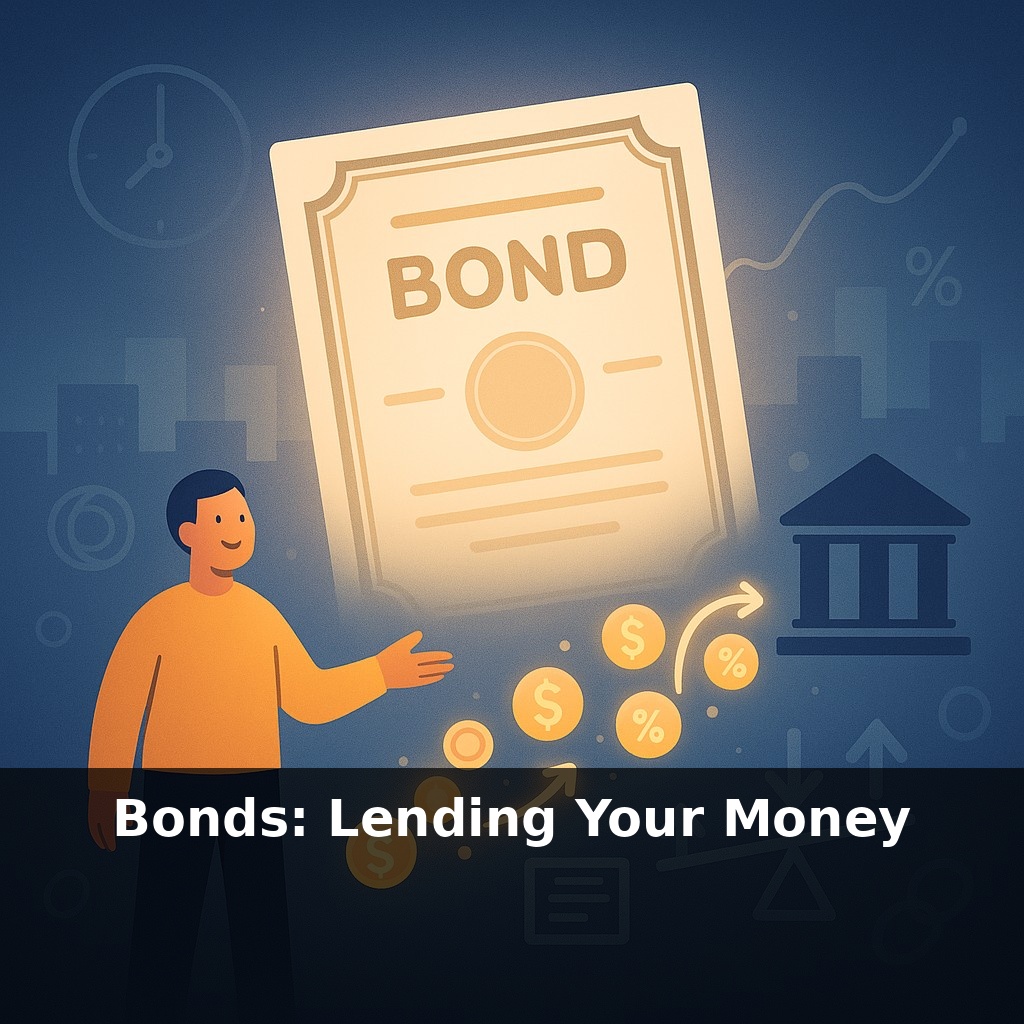
Bonds quietly power a market worth well over a hundred *trillion* dollars—yet most people can’t explain how even a single bond works. Today, you’ll step into the moment you effectively become the bank, and see why your “loan” can suddenly rise or fall in value.
So you already know that when you buy a bond, you’ve stepped into the lender’s role and that the value of that “loan” can bounce around. Now let’s zoom out and see why this quiet corner of the market matters so much to your real life.
Every time a city builds a new school, a company upgrades factories, or a government rolls out infrastructure, there’s a good chance bonds are paying the bill. The terms they lock in today—how long the money is borrowed, at what interest cost, with what level of safety—ripple into mortgage rates, business hiring plans, even the value swings in your retirement account.
In this episode, we’ll focus on how different issuers, maturities, and risk levels shape what you actually earn, and why mixing various bonds can steady your overall investment journey when stocks feel like a stormy forecast.
Think of the bond market as a layered ecosystem, not a single pond. At the surface are ultra-safe securities issued by strong governments; deeper down, you’ll find corporate bonds funding everything from tech expansions to utility upgrades; along the edges, municipalities raise money for roads, hospitals, and transit. Each “layer” reacts differently to economic shifts, inflation surprises, and central bank moves. Your job as an investor isn’t to predict every ripple, but to understand which layers you’re swimming in, and why they might behave differently when conditions suddenly change.
When you move from the surface of that ecosystem into specifics, three levers start to matter a lot more than most people realize: *who* is borrowing, *how likely they are to pay you back*, and *what else could you earn instead*.
Start with credit quality. Bond issuers are constantly graded by agencies like Moody’s and S&P. At the high end sit investment‑grade borrowers—historically, their odds of not paying in any given year are under 1%. Drop into high‑yield and those odds climb several times higher. That’s why yields differ so much: you’re being paid more to accept a higher chance of unpleasant surprises. In good times, that extra income feels great; in recessions, weaker issuers can suddenly struggle to refinance or even miss payments.
Next is the tug‑of‑war with prevailing yields. Markets don’t just care about the rate printed on your bond; they care whether it’s attractive *today* compared with new deals. If new bonds are issued at higher yields, yours has to trade cheaper to compete. If new deals come at lower yields, your older, higher‑paying bond becomes more desirable and can command a premium. This is why 2022’s jump in global rates erased trillions in bond market value on paper—even though most borrowers kept making payments.
Then there’s inflation and taxes, the “silent” forces. Inflation eats into what those future payments can buy; a 4% yield isn’t impressive if prices are rising at 5%. Tax rules can either soften or magnify that bite. Certain government and municipal issues offer tax breaks, which means a lower stated yield can still beat a fully taxable alternative once you do the math.
Investors respond to all these forces by choosing different segments: some emphasize stability and accept modest income; others lean into higher‑yielding, shakier borrowers in search of stronger cash flow. Professional managers slice this world even finer—by country, sector, maturity, and sensitivity to rate moves—to build portfolios that aim to cushion stock market shocks without sacrificing too much long‑term return potential.
A practical way to see these choices is to follow how three different investors might behave when conditions shift.
One focuses on short‑term government issues because they hate surprises. When central banks hint at raising policy rates, this investor actually feels some relief: as older holdings mature, cash can be recycled into newer issues with better payouts, without locking money away for long stretches.
Another prefers longer‑dated obligations from solid borrowers. They accept more price swings on screen, but care mostly that cash flows line up with future goals: college in 12 years, retirement in 25. For them, a temporary drop in price after a rate spike is less a disaster than a chance to add at better long‑run yields.
A third builds a barbell: very sturdy, conservative holdings on one end and a small slice of higher‑paying, shakier names on the other. Like a doctor mixing targeted medicines with general support, they know the “stronger dose” can stress the portfolio if growth stalls, so they cap its size and monitor it closely rather than chasing every juicy yield.
Rising yields and new tools are reshaping how these choices play out. Instead of treating fixed income as a sleepy corner, more investors now tweak duration, sectors, and regions like a chef adjusting heat and seasoning. Green and social issues can align portfolios with personal values, while tokenized offerings may cut frictions. As central banks unwind support and populations age, the balance between stability, income, and flexibility will keep shifting—inviting ongoing experimentation.
As you explore further, you’ll notice these choices echo in everyday life: pension funds quietly funding retirements, insurers matching policies, even money‑market funds parking your cash. Your challenge this week: peek at one fund you use, find its bond allocation, and ask: what trade‑offs is it making on my behalf?