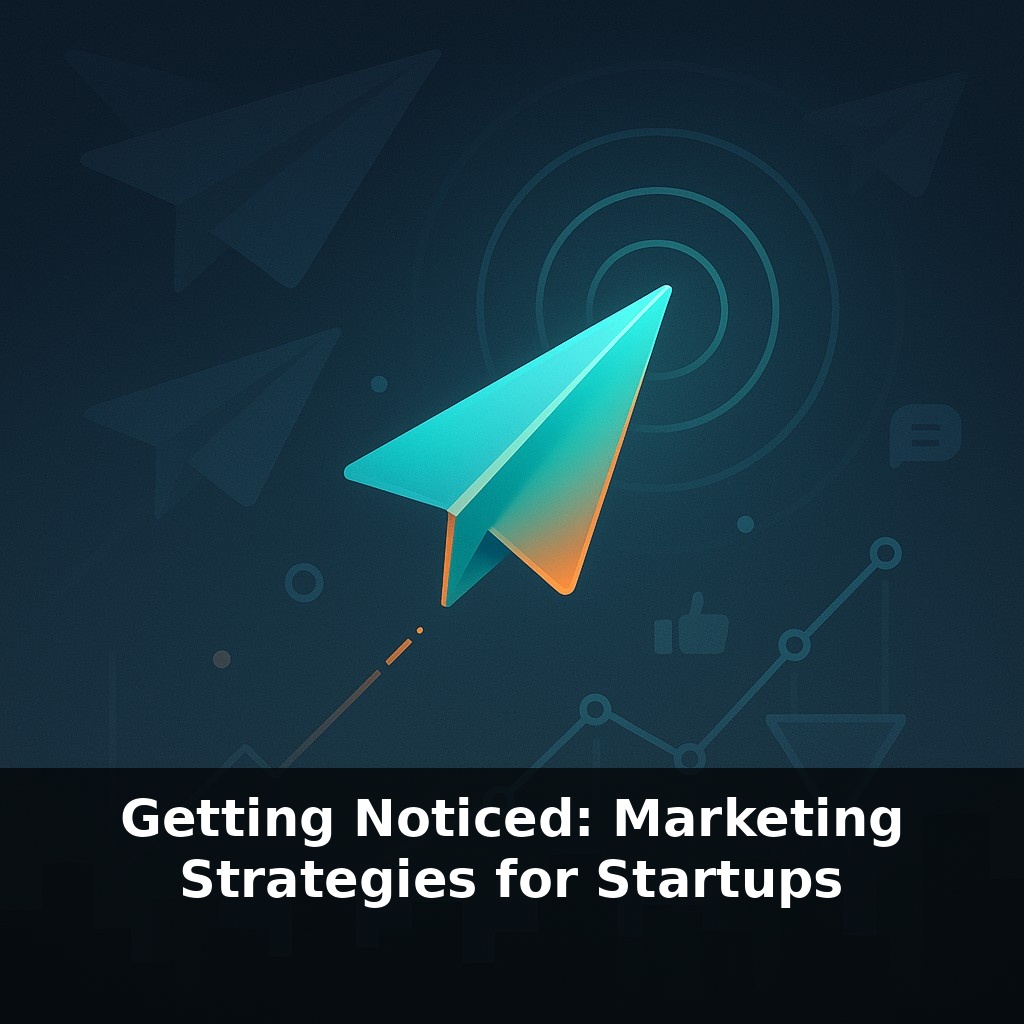
The average startup quietly spends about a tenth of its budget on marketing—yet most founders can’t say which dollar actually worked. In this episode, we drop into three early-stage launches and trace the real reason one goes viral while the others barely leave a ripple.
Most early-stage founders quietly copy big-brand playbooks—polished websites, broad social campaigns, generic “awareness” ads—then wonder why nothing moves. The uncomfortable truth: at your stage, marketing isn’t about looking legit; it’s about being unignorable to a very specific kind of person.
In earlier episodes, we obsessed over “who” and “what problem.” Now we zoom in on “how they actually find you,” and why throwing content into the void almost never works. Effective startup marketing starts more like street-level research than billboard design: stalking subreddits, lurking in niche Discords, hanging out in boring industry webinars, and noticing where your people already talk, complain, and share hacks.
From there, you’re not building a brand campaign—you’re engineering a series of tiny, deliberate collisions between their daily habits and your product.
Most founders jump from “people kind of like this” to “let’s run ads” and skip the messy middle: turning fuzzy interest into a repeatable system. That middle is where real startup marketing lives. Think in loops, not one-off stunts: every tweet, webinar question, or tiny PR hit is a potential on-ramp that should lead somewhere specific—an email list, a waitlist, a demo, a referral.
The goal isn’t to shout louder; it’s to create a few cheap, reliable paths that quietly compound. Like drip irrigation instead of a fire hose, you’re setting up small, steady flows of attention that you can later widen, measure, and eventually automate.
Start with the question: “What is the *cheapest possible way* a stranger who fits my niche can discover, trust, and try this?” Your answer is not “run ads” or “post on LinkedIn.” It’s a specific sequence of touchpoints that you can actually observe and optimize.
Think in three layers:
**1. Sharpen the “who exactly?”**
Not “health-conscious millennials,” but “26–35-year-old software engineers in Tier-1 cities who lift 3x/week and complain about meal prep on Twitter.” You want to be able to *name* the subreddits, newsletters, and group chats where they hang out. A rule of thumb: if you can’t list five places they already go for help with this problem, your niche is still too blurry.
**2. Design your first low-cost channels**
You’re looking for channels that give you two things: proximity and feedback. Proximity = you can actually reach your people without an algorithm’s permission. Feedback = you see quickly if anyone cares.
For B2B, that might be: niche webinars with Q&A, guest posts in small industry blogs, founder-led cold outreach with tailored Loom videos, or partnering with a tool your audience already uses to co-host a micro-event. For consumer: posting useful comments in niche communities (without spamming), TikToks stitched to influencers’ content in your space, or tiny “stunts” near real-world hotspots where your users cluster (coworking spaces, gyms, meetups).
Guerrilla doesn’t mean gimmicky; it means trading money for creativity and sweat. A single clever, context-aware post in the right Slack group can outperform a week of generic tweets.
**3. Build simple loops, not campaigns**
Every channel should answer: “If this works, what happens *next*?” A small newsletter sponsor should push to a landing page with a clear, low-friction next step: “Get the 5-minute checklist we used to cut X by 30%.” Inside the product, a lightweight referral nudge (“Invite 2 friends, get Y”) turns one happy user into three. Over time, these loops stack: content → visit → try → refer → new visit.
This is where you begin measuring: not vanity metrics, but how many people move from “never heard of you” to “told someone else about you”—and which paths quietly pull the hardest.
Think of three tiny “case files.” First: a bootstrapped language app that quietly hosts weekly “office hours” in a niche Discord. They show up, give away mini-lessons, then DM anyone who sticks around with a custom challenge and a soft invite to try the app. No ad spend—just consistent, human-scale presence that compounds.
Second: a fintech tool that maps every podcast its ideal founders already binge, then offers hosts one ultra-tailored segment: dissecting a famous startup’s stack and sharing a free teardown template. Listeners who download the template enter a short, story-driven onboarding that ends with a 14‑day trial.
Third: a D2C brand that realizes most purchases happen after friends trade screenshots. They lean in, building “share packs” with prewritten texts and visuals users can copy in two taps.
Your marketing gets sharper each time you notice these quiet behaviors and design around them, not around channels you feel “supposed” to use.
As privacy walls rise, “spray and pray” reach will feel like shouting through glass. The advantage shifts to founders who treat marketing more like hosting a small, recurring salon than chasing a one-night viral spike. Expect smaller, denser communities where users trade zero‑party data the way regulars share their usual order at a café. The experiment becomes: how do you earn enough trust that people gladly tell you what they want you to build—and how to invite their friends in?
You won’t perfect this in one sprint—and that’s good. Treat each small test like planting a different seed along a hiking trail: some get trampled, some never sprout, a few take root and quietly mark the path for others. Your challenge this week: pick one underused channel, run one tiny experiment, and watch where unexpected footprints start to appear.