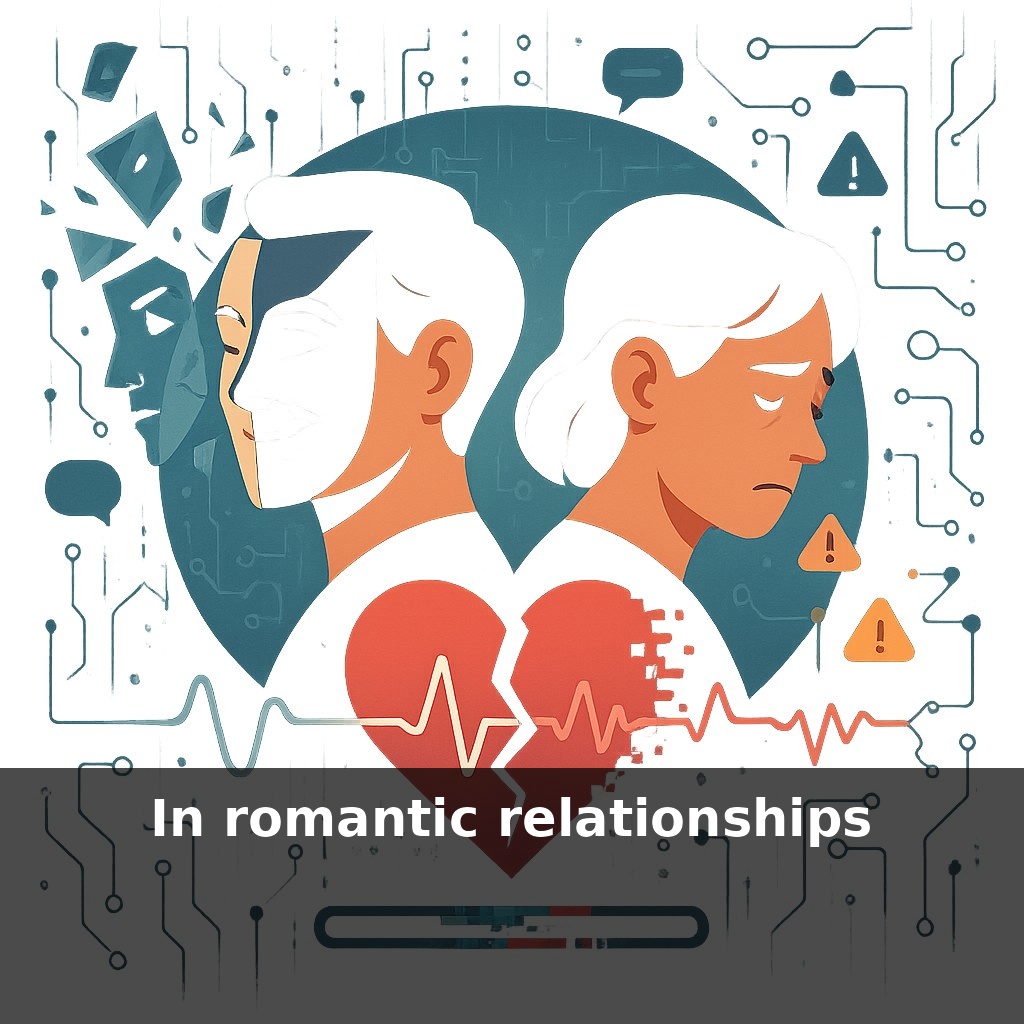
About 1 in 100 adults may qualify for full-blown narcissistic personality disorder—yet far more people show strong narcissistic traits in dating. One moment you’re someone’s soulmate, the next you’re the villain. How does romance flip that fast, and why do smart people miss the warning signs?
“People who are high in narcissism are very good at making a good first impression,” notes psychologist W. Keith Campbell. “The problem is what happens after that.” In romantic relationships, that “after” often unfolds along a strikingly consistent path.
At first, everything feels accelerated: intense chemistry, constant contact, fast declarations of connection. Friends might say it’s moving too quickly; you might feel you’ve finally met someone who really *sees* you. Over time, though, tiny cracks appear—subtle digs, shifting rules, small lies, empathy that seems to come and go.
Partners describe it like hearing a favorite song slowly go out of tune: the melody is still there, but something feels increasingly off. You start questioning your reactions, then your needs, and eventually your own judgment. In this episode, we’ll map that progression—and how to protect your sense of reality inside it.
Research on these relationships shows a pattern that’s less like a sudden “gotcha” and more like a slow software update you never clearly agreed to: expectations rewrite themselves, permissions expand, and your own needs get quietly downgraded in priority. You might notice your sleep, focus, or work performance slipping, or feel oddly drained after “good” dates. Partners in these dynamics often adapt by over-functioning—appeasing, explaining, smoothing things over—just to keep the peace. Over time, your baseline for what counts as “normal” treatment can shift so far that earlier red flags now register as “not that bad.”
The strain usually starts in tiny, deniable moments. You share good news; they somehow end up center stage in the story. You’re upset; the conversation pivots to how your feelings affect *them*. Over weeks, you may notice a pattern: your partner’s needs feel urgent and non‑negotiable, while yours become “dramatic,” “selfish,” or “bad timing.”
Research backs this shift. In Campbell & Foster’s study, higher‑narcissism partners didn’t just report less empathy; they also endorsed more “game-playing” styles—testing loyalty, provoking jealousy, keeping options open. That can look like flirting in front of you, going cold after intimacy, or using attention and withdrawal as levers. The message under the surface: *your security in this relationship is conditional on how well you regulate my ego*.
As intimacy deepens, their empathy gaps show up most clearly when you need support. Crisis at work? They might offer a quick platitude, then steer into their own frustrations. You set a boundary? It’s “overreacting,” “controlling,” or proof you’re “not a team.” Conflict becomes less about solving a problem and more about preserving their self‑image. You may find yourself arguing about what you *said*, *meant*, or *remember*, instead of what actually hurt.
Physically, this can take a toll. Partners in these relationships often report sleep disturbance, panic spikes around messages, or a sense of walking into an exam before every conversation. Some studies even suggest elevated cortisol and trauma symptoms in long‑term partners; your body starts to brace for impact, even on “good” days.
One fresh warning sign: how they respond when you shine. Compliments may come with qualifiers, or your success becomes a prompt for their insecurity. In Brunell and colleagues’ newlywed research, satisfaction eroded fastest when one spouse scored high on narcissism—especially when the other was more accommodating. The more you bend, the faster the relationship sours.
Over time, many partners slip into self‑editing: softening opinions, minimizing needs, curating their own personality to avoid triggering sulks or rages. It can feel less like being loved and more like managing a volatile client account—except the invoice is paid with your self‑trust.
Sometimes the clue is in what happens **right after** a tender moment. You share something vulnerable; they respond warmly… then later weaponize it in an argument or joke. Or you open up about past hurt and suddenly you’re being compared to an “overly sensitive” ex who “couldn’t handle them either.”
Notice patterns around repair. After conflict, do apologies sound like: “I’m sorry you feel that way,” “Let’s just move on,” or “You know how I am”? These are non‑apologies that reset the spotlight on their comfort, not on change.
Pay attention to how they treat your *time*. Do plans frequently revolve around their schedule, with last‑minute cancellations framed as tests of your understanding? When plans matter to you, is there an invisible negotiation where you must reassure, soothe, or over‑explain just to get a “maybe”?
Dating a narcissistic partner can resemble playing in a band where only one musician controls the volume knob: whenever your needs get louder, they simply turn themselves up, until you can barely hear your own rhythm.
Apps may soon watch how we flirt, ghost, and apologize, turning patterns into risk scores. That could mean early warnings for partners who feel “off” but can’t name why—like getting a weather alert before a storm, not just after the damage. But it also raises tension: who owns that data, and what if an algorithm mislabels ordinary conflict as abuse? As social media keeps rewarding performative charm, critical thinking about “perfect” partners will matter more than ever.
When tech starts flagging unhealthy patterns, it won’t replace your judgment—it will just turn the lights on in rooms you already feel uneasy in. Think of it as a second opinion, not a verdict. The deeper work stays human: noticing body signals, testing boundaries, and seeing whether words and actions harmonize over time, not just on the highlight reel.
Before next week, ask yourself: “Where in my romantic relationship do I most often hold back from saying what I really feel—during conflict, when I need support, or when I’m appreciating my partner—and what am I afraid might happen if I’m fully honest?” “Thinking about our last disagreement, at what exact moment did I stop listening to understand and start listening to defend, and what would I do differently if that same moment happened again today?” “If I chose one tiny, specific way to show my partner they’re a priority this week—like changing how I greet them when they come home, how I say goodnight, or how I respond to their texts—what would that look like, and what do I hope they’d feel because of it?”