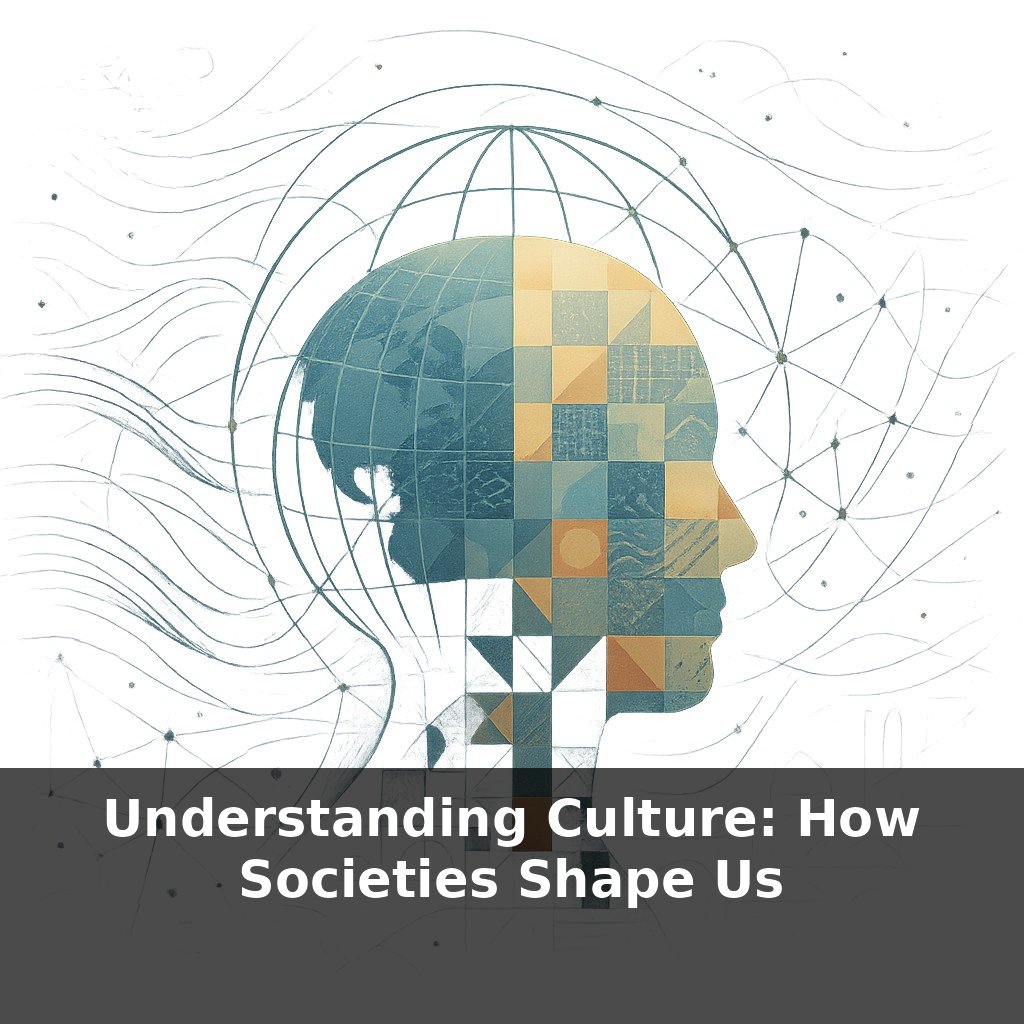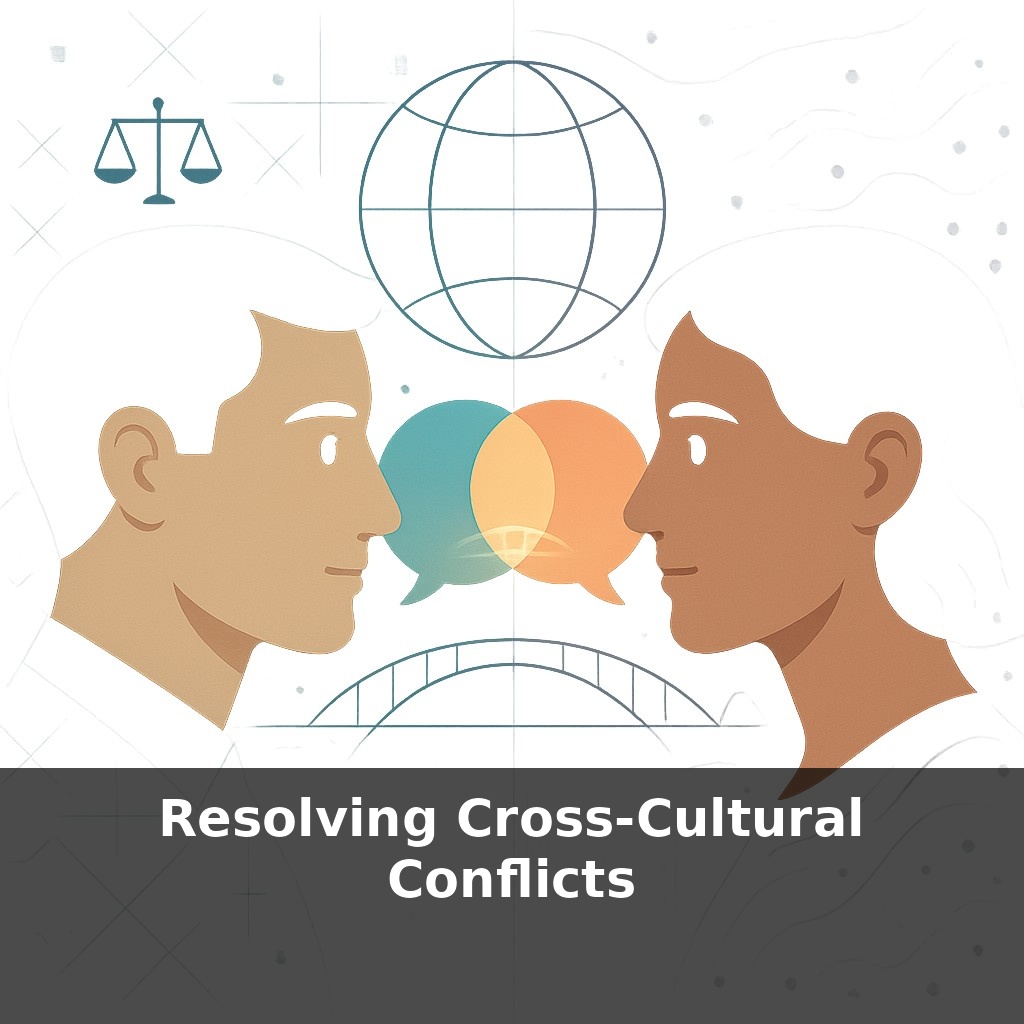
Mismanaged cross‑cultural conflicts quietly drain global businesses of over a trillion dollars every year. A deal collapses, a partnership cools, a team fractures—yet everyone walks away convinced the “facts” were clear. The mystery is: how can clarity produce so much chaos?
“Most conflict is not between good and bad, but between good and good.” That tension becomes sharper when each “good” is rooted in a different culture. One side fights for directness as a sign of respect; the other fights for harmony as a sign of respect. Both believe they are doing the right thing—and both walk away feeling wronged.
What actually shifts outcomes isn’t more data or tougher arguments, but Cultural Intelligence: the practiced habit of asking, “What might this behavior mean in their world, not just in mine?” When leaders treat values, rituals, and unspoken norms as part of the negotiation itself—not background noise—they stop arguing about who’s “difficult” and start redesigning the interaction so multiple value systems can coexist without constant collision.
In cross‑cultural standoffs, people usually double down on logic or legal details, but the real leverage sits elsewhere: in how each side reads time, authority, and risk. One team treats deadlines like train schedules; another treats them like weather forecasts—important, but flexible. Some assume the most senior person should speak last; others expect them to dominate from the start. These hidden settings shape who feels insulted, rushed, or ignored long before anyone raises their voice—and they’re exactly where skilled mediators quietly start tweaking the system.
Some of the biggest shifts happen when you stop asking, “Who’s right?” and start asking, “What rules are they playing by?” Cultural assessment tools sound abstract, but in practice they’re just systematic ways of spotting those rules before they blow up a meeting.
One practical move: map the “distance” between parties on a few key dimensions—how they handle hierarchy, individual vs. group priorities, comfort with risk, and preference for implicit vs. explicit messages. You don’t need to recite Hofstede in the room; you use these lenses backstage when planning. If you know one side expects the boss to decide and the other expects broad debate, you design the agenda so both can happen without embarrassment: private leader pre‑talk, then a structured group discussion with clear turn‑taking.
Skilled mediators also pay attention to *who* can say *what* to *whom*. In some settings, a junior employee contradicting a senior counterpart in front of outsiders is not “healthy challenge”—it’s humiliation. That’s why culturally legitimate intermediaries matter so much: a respected elder, a union rep, a religious figure, even a veteran team member who is trusted by both sides. They can voice hard truths in a way that doesn’t trigger defensiveness, because their role itself carries permission to be candid.
Communication style is another quiet fault line. When one side speaks in stories and hints, and the other in bullet points and contracts, neither is necessarily evasive or rude—they’re following different playbooks. Instead of forcing one style to win, effective facilitators “translate” in real time: they surface the underlying interest inside the story, or gently expand the terse answer into shared language everyone can work with.
Think of it less as teaching people new manners and more as designing a bridge that lets multiple interaction styles move across safely. The goal isn’t to erase difference, but to make it usable: channeling it into creative options instead of personal distrust. Over time, that shifts the question from “Why are they like this?” to “Given how they operate, how do we structure this so it works for all of us?”
In practice, this often looks less dramatic than a full‑blown “culture clash” and more like a series of tiny design choices. A U.S. manager mediating between engineers in Seoul and São Paulo stops arguing about who is “late” on updates and instead redesigns the update ritual: short written check‑ins for those who dislike speaking up on video, plus a rotating “story slot” where each site shares a brief success in its own style.
A regional NGO pairing Kenyan field staff with Scandinavian funders invites a local village elder to open the meeting with a blessing, then has the funders summarize, in their own words, what they just heard as priorities. That two‑step both honors local authority and reassures donors the message is concrete enough to fund.
You can also pilot “low‑stakes” cultural experiments: swap who speaks first, change seating so rivals sit diagonally instead of head‑to‑head, or use a neutral shared artifact—a prototype, a map, a customer email—as the thing everyone critiques, rather than each other.
As AI translation and climate‑driven migration accelerate contact between unfamiliar groups, the real question becomes: who will design the “rules of engagement”? Conflict skills may shift from niche expertise to everyday literacy—more like basic cybersecurity than optional training. We may see neighborhood‑level mediation labs, school projects that simulate treaty talks, and leaders evaluated on how well they “referee” cultural friction into shared experiments instead of silent resignations or open rupture.
As you practice, expect awkward moments—misread silences, jokes that land flat, pauses that feel like dropped calls. Treat them as debug logs, not verdicts. Over time, patterns emerge: which questions reopen stalled talks, which small courtesies unlock trust. The aim isn’t fluency in every culture, but a repeatable habit of curious, adjustable engagement.
To go deeper, here are 3 next steps: (1) Watch Erin Meyer’s TED Talk “How to lead across cultures” and map your current team or key partners on her Culture Map dimensions (communication, feedback, hierarchy) to pinpoint where your biggest clash points might be. (2) Download a free conflict style assessment like the Thomas-Kilmann Instrument (TKI) sample or the Kilmann Conflict Style Questionnaire and compare your results with a colleague from a different culture, then schedule a 20-minute chat to discuss one real workplace tension using both of your styles as a lens. (3) Read the “Giving and Receiving Feedback Across Cultures” chapter from Erin Meyer’s book *The Culture Map* and use it to rewrite one tricky email or feedback message you need to send this week, deliberately adjusting directness, tone, and formality to match the recipient’s cultural norms.