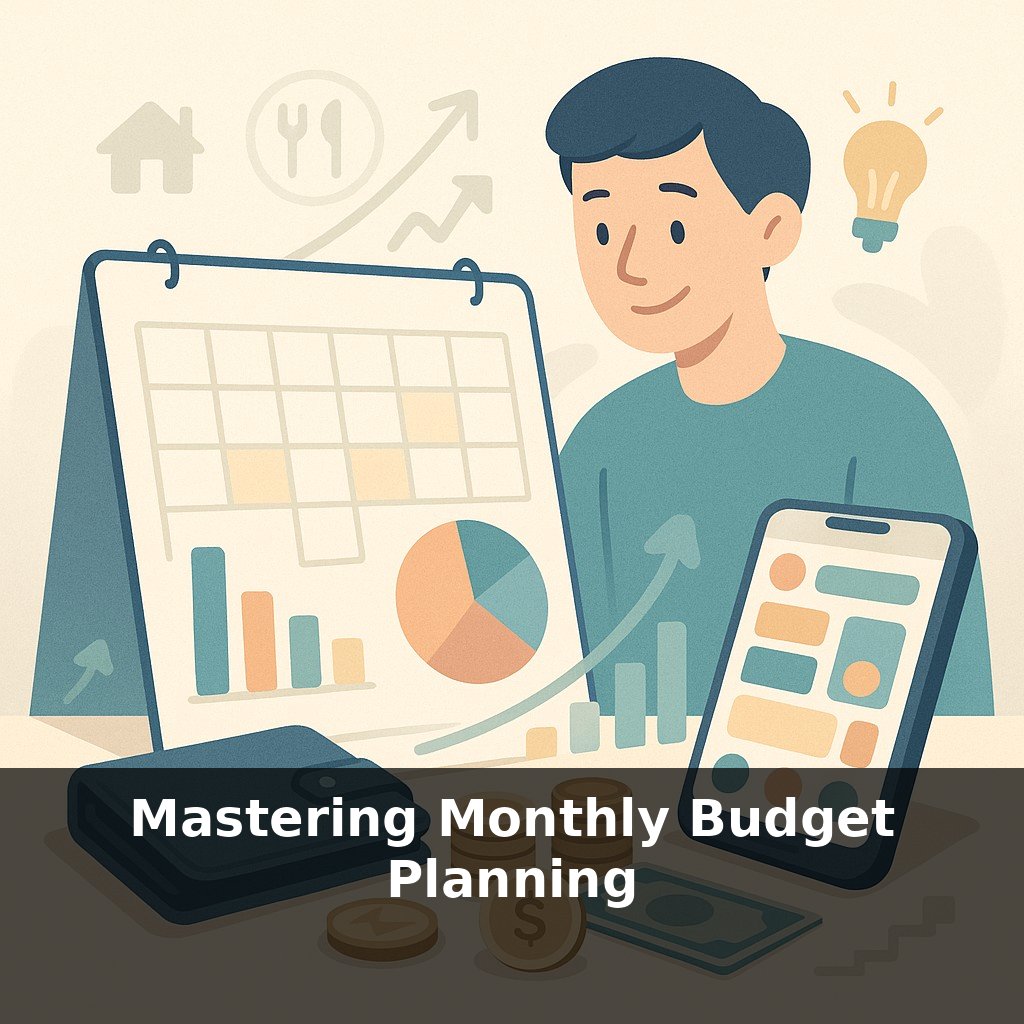
About half of people who make a budget will quietly abandon it within a few weeks—often while still believing they’re “bad with money.” In this episode, we’ll step into the moments where budgets actually break… and uncover the tiny design tweaks that make them stick.
“Automating your savings can boost how much you save by 6–10 percentage points.” That’s not a course promise—that’s from a Consumer Financial Protection Bureau study. So if math isn’t the main problem, what is?
This episode is about treating your budget less like homework and more like a system that quietly runs in the background. We’ll zoom in on three levers that research keeps highlighting: removing friction, increasing visibility, and locking in commitment.
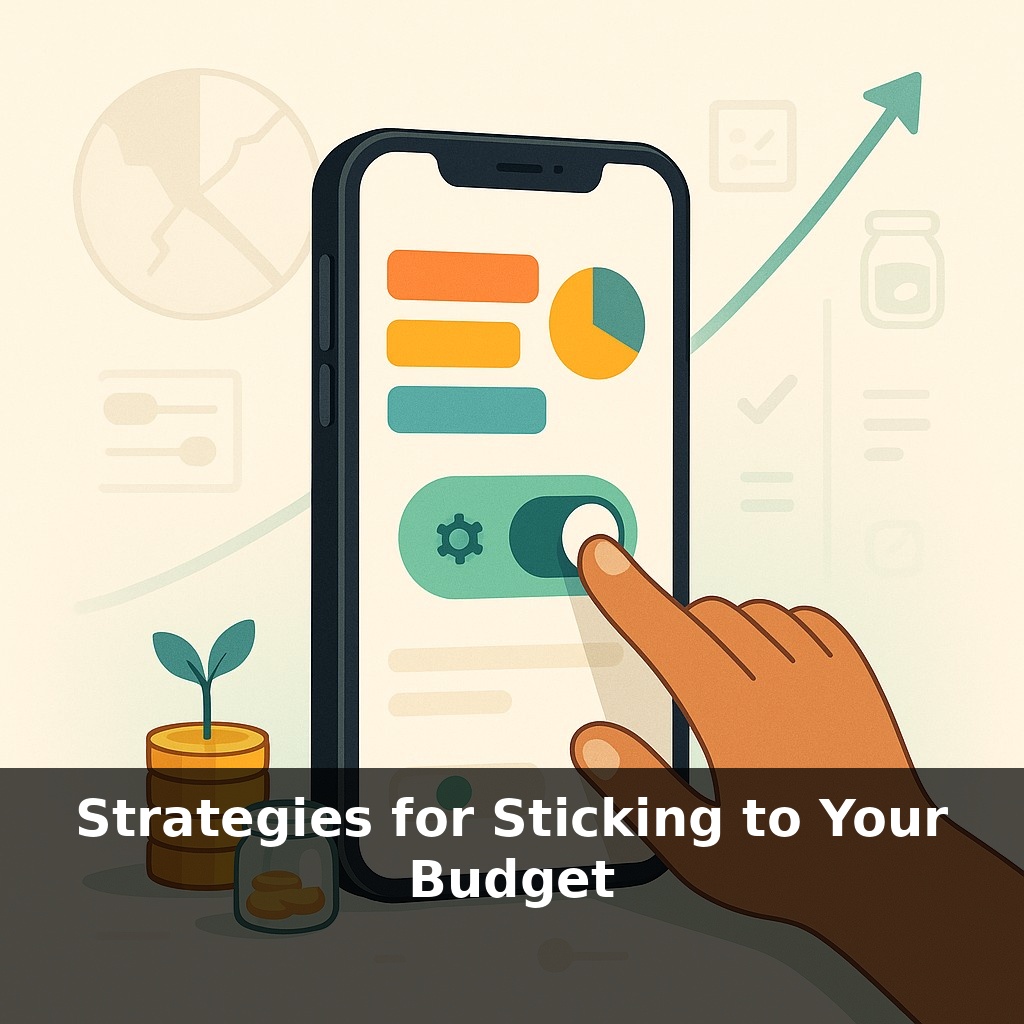
Think of how a well-set-up smartphone manages updates: it downloads in the background, shows you clear notifications, and only asks for a decision when it truly needs one. We want your money system to feel that smooth.
We’ll connect these ideas to real numbers—like how much we lose to impulse buys—and test which small changes can actually keep you on track month after month.
Most people don’t blow their budget on rent or utilities; they lose it in tiny, forgettable decisions—an extra app subscription here, a quick delivery order there. Those moments feel small, but they quietly add up to the $1,500 a year the average U.S. household spends on impulse buys. This is where behavior design matters most: not at payday, but in the random Tuesday at 3 p.m. when you’re tired and scrolling. In this episode, we’ll zoom into those “auto-pilot” choices and turn them into points where your system can step in and steer, without relying on willpower.
The first lever is timing. Most people try to “be good” at the cash register. That’s the weakest point to rely on discipline. Strong systems make the *decision* on a calm day, then simply *execute* on the chaotic one. Behavioral economists call this pre‑commitment: you choose once, in advance, and then let that choice repeat.
That’s exactly how the famous “Save More Tomorrow” programs work: you agree today that your future raises will go to savings, and over a few years contributions quietly jump from 3.5% to 13.6%. You’re not suddenly more virtuous; you just moved the decision to a better moment.
You can copy that logic at a monthly scale. Before the month starts, decide your “default moves”: what happens the second your paycheck hits, what your card does when you’re near a limit, what your apps do when a new subscription trial is ending. The goal is to make the *default* option the one future‑you will be happy you chose.
The second lever is structure. Zero‑based budgeters—who give every dollar a specific job—are about twice as likely to have at least a $1,000 emergency fund. The magic isn’t the spreadsheet; it’s that vague “extra money” becomes visible, labelled money. A random $60 is no longer a hazy surplus; it’s “half the electric bill” or “two weeks of groceries.” Vague money leaks; labelled money gets guarded.
To operationalize this, think in “containers,” not categories. Containers can be bank accounts, app buckets, or card rules. One container might be “bills,” another “everyday spending,” another “fun.” When the “fun” container is low, you’re not a failure—you’ve just used up what you intentionally set aside.
This is how tools like YNAB claim their users save thousands in a year: they don’t just track; they force every incoming dollar to land in a container with a name and a purpose. Their internal numbers need outside verification, but the underlying pattern aligns with broader research: when money is pre‑assigned, it’s much harder to “accidentally” overspend.
Your final lever is feedback speed. Annual check‑ins are too slow; by the time you notice a problem, it’s baked in. Weekly and even daily micro‑check‑ins let you steer mid‑month instead of apologizing to yourself afterward.
Think of your money like running a small restaurant kitchen. You’re the head chef, but the real magic happens in the prep: ingredients portioned ahead of time, labeled bins, and stations set up so the dinner rush doesn’t become chaos.
In practice, that might look like this: your “bills” account is the walk‑in fridge—untouched except for scheduled recipes. A separate debit card for groceries and gas is your line station: you preload a set amount each payday, and when it’s low, you know the pantry’s nearly empty, not that you’re a bad cook. A third “fun” card is your dessert tray: when it’s gone, you don’t close the restaurant—you just stop sending out cake.
One couple I worked with routed all flexible spending through a shared “everyday” card they could both see in real time. Mid‑week, they’d glance at the balance and decide: “Takeout tonight, or save it for Saturday?” Another person set her banking app to ping her whenever she spent at her three biggest “leak” stores; over a month, those gentle nudges cut her random swipes there by a third.
Soon, your money rules won’t just sit in a spreadsheet; they’ll adapt like a smart thermostat. Open‑banking tools could spot drift in your patterns and nudge you *before* you overshoot—“cooling” eating‑out spend after a pricey weekend, or “warming” extra cash toward an upcoming insurance bill. Payroll systems may route part of each check straight to upcoming charges, almost erasing late fees. Social, game‑style apps might turn hitting targets into a shared challenge instead of a private struggle.
You don’t need a perfect plan—you need one small tweak you’ll actually keep. Treat this as a live experiment: test a new rule, watch how it feels, then adjust. Over time, you’ll stack tiny upgrades the way an app releases quiet updates in the background—each one barely noticeable, but together they turn “I hope this works” into “this mostly runs itself.”
Before next week, ask yourself: Which 2–3 spending categories from the episode’s examples (like eating out, subscriptions, or impulse Amazon buys) are most likely to blow up my budget this week, and what exact dollar limit am I willing to set for each? When I’m about to make a non-essential purchase in those categories, can I pause and ask, “Does this get me closer to the goal I said mattered most—like paying off my card faster or building that emergency fund—and is there a cheaper version that still feels good?” At the end of each day, where did I actually stick to the plan (e.g., making coffee at home, saying no to DoorDash, canceling a rarely used subscription), and what specific moment am I proud of that I want to repeat tomorrow?