Last year, the average American saved only about half of what people used to save a generation ago. Here's a reality check: after payday, your checking account fills up, bills hit, and a few taps later, the money's gone. Where did it actually go—and how much of it quietly could’ve been yours to keep?
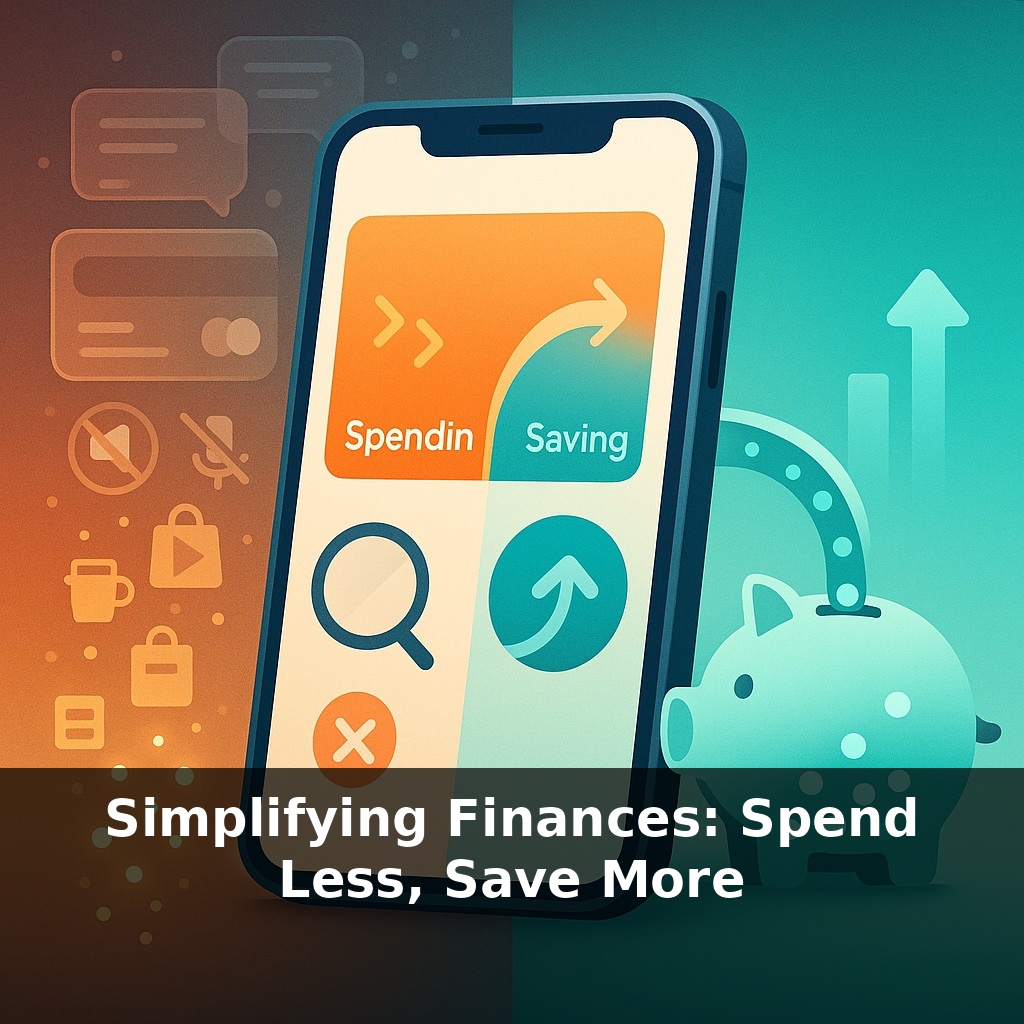
Here’s the twist: most people don’t overspend because they’re reckless; they overspend because their finances are noisy and invisible at the same time. Dozens of small charges drip out, a few big ones slam through, and you’re left reacting—like trying to cook while ten timers beep with no labels. The research is clear: the people who quietly win with money don’t track every penny forever or obsess over spreadsheets. They do two simpler things instead: they decide in advance what matters most, then make that decision automatic. In other words, they use their values as the blueprint and automation as the construction crew. This episode is about building that kind of system—one that lowers the mental load, targets the few categories that actually move the needle, and makes “spend less, save more” happen in the background of your life.
Here’s where minimalism meets money in a practical way. Instead of tracking twenty categories and color‑coding every latte, we’ll zoom in on the few areas that quietly decide your financial future: the big fixed bills you’ve already agreed to and the small habits you barely notice. Think of this as clearing a workbench before starting a project—you’re not rebuilding your entire financial life, you’re just removing clutter so the important levers are easy to see and pull. We’ll map a simple flow for your income, then layer in small automations that nudge you toward saving, even on days you don’t feel disciplined.
Start with the simple, uncomfortable math: if you keep the same income but permanently lower your spending by even 5–10%, that gap can do more for your long‑term stability than most “hot” investing ideas. The easiest way to create that gap is to stop treating every dollar as negotiable and instead decide, ahead of time, what each paycheck will do the moment it arrives.
Think of your income as moving through three “tracks” rather than one big pile: must‑pay, want‑to‑enjoy, and must‑grow. You don’t need precise percentages on day one, just clear lanes. Must‑pay is where housing, transportation, food, insurance, and minimum debt payments live. Want‑to‑enjoy is guilt‑free: dinners out, hobbies, trips, small luxuries. Must‑grow is savings, investments, and extra debt payoff—money whose job is to make your future less fragile.
Here’s the shift: instead of asking “Can I afford this?” at every purchase, you decide “How big is each track?” once per quarter, then let that decision run. If the “must‑pay” lane is spilling over, you know where to focus negotiations and cuts. Research on household budgets shows that housing, transportation, and food eat most of the pie, so shaving 5–15% in even one of those often frees more than canceling ten small indulgences.
Now layer in automation with intention. Set your savings or debt‑payoff transfer to leave your account the same day your income lands, like a non‑negotiable bill. Then automate a separate “fun money” transfer into a spending account. When that account’s empty, the decision is already made for you; you’re out until the next refill, no guilt required. This turns “discipline” into a one‑time configuration, not a daily wrestling match.
The paradox is that this structure creates more freedom, not less. By protecting a designated amount for enjoyment, you’re less likely to binge‑spend from frustration. By locking in a minimum growth track, you’re steadily increasing your options. Over time, you can nudge the sliders: a slightly smaller must‑pay lane after renegotiating rent or insurance, a slightly larger must‑grow lane when you get a raise and refuse to inflate your lifestyle to match.
Mia, a nurse earning $55k, decided her “must‑grow” track would get paid first, but she didn’t overhaul everything at once. She opened a high‑yield savings account nicknamed “Calm,” set a $75 automatic transfer on payday, and ignored it. Three months later, that quiet rule had built her first real cushion—and she hadn’t felt deprived, just slightly more deliberate when swiping her card.
Raj took a different route. His rent and car payment left little room, so he focused on those big three categories instead of chasing tiny cuts. He joined a coworking carpool two days a week and negotiated a modest rent reduction by committing to a longer lease. Those two moves alone expanded his must‑grow lane more than cancelling every streaming service would have.
Think of your system like a simple playbook, not a prison. The tracks are just “default plays” you run unless something truly better comes along. When life changes—new city, new job, new priorities—you don’t start from scratch; you adjust the plays and keep running the game.
As AI cash‑flow tools get smarter, your “tracks” might auto‑adjust like a thermostat: nudging you to pause dining out before the month overheats, or suggesting an extra transfer when a side gig pays out. Higher rates quietly reward that behavior, turning each trimmed expense into more noticeable growth. As more people favor durable goods and shared services over impulse buys, companies will shift too—designing products to last, be repaired, or rented—so your default choices align more easily with your long‑term calm.
Your challenge this week: treat each outgoing dollar like a vote. Before it leaves, ask, “What future am I electing with this?” Try redirecting just two tiny “votes” a day—a snack, a ride, a scroll‑buy—into your must‑grow track. By next month, you’ll see a quiet shift, like a compass nudged a few degrees, pointing you toward a calmer, roomier life.