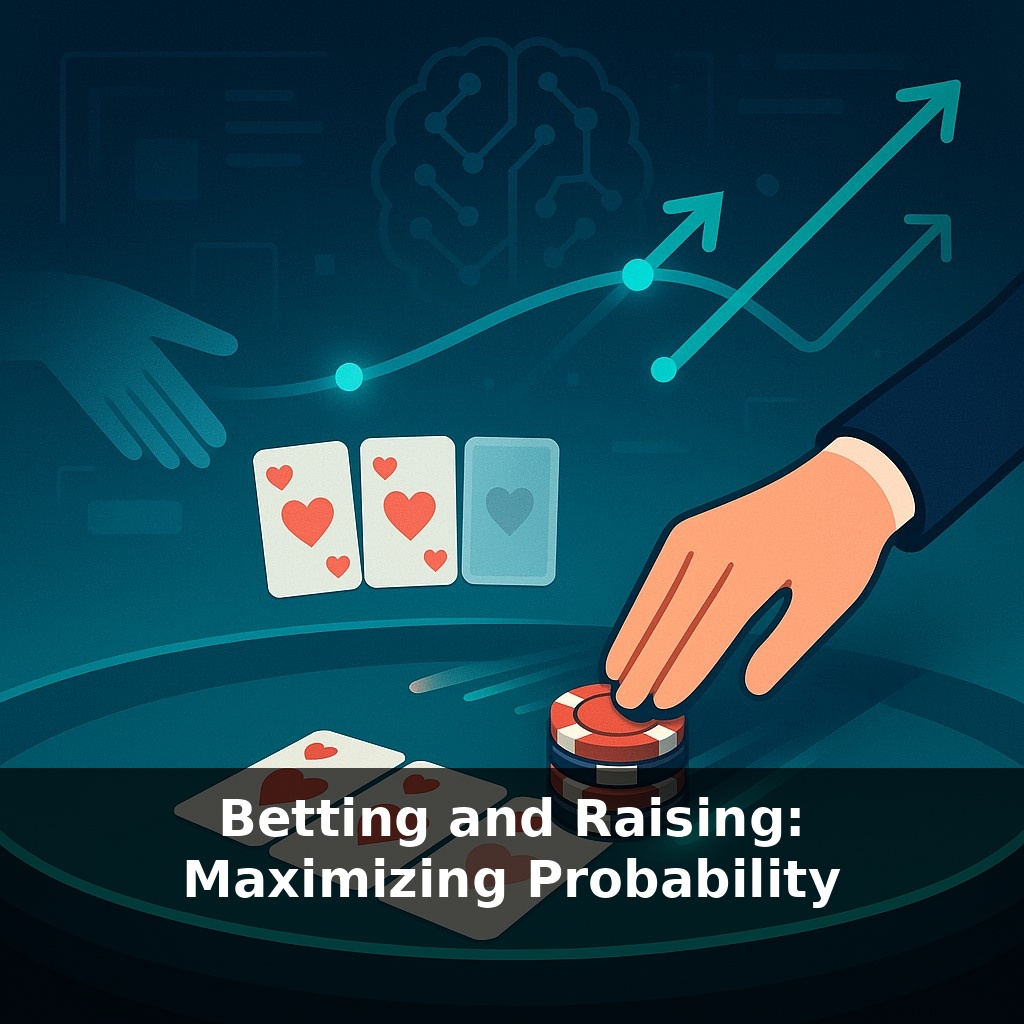
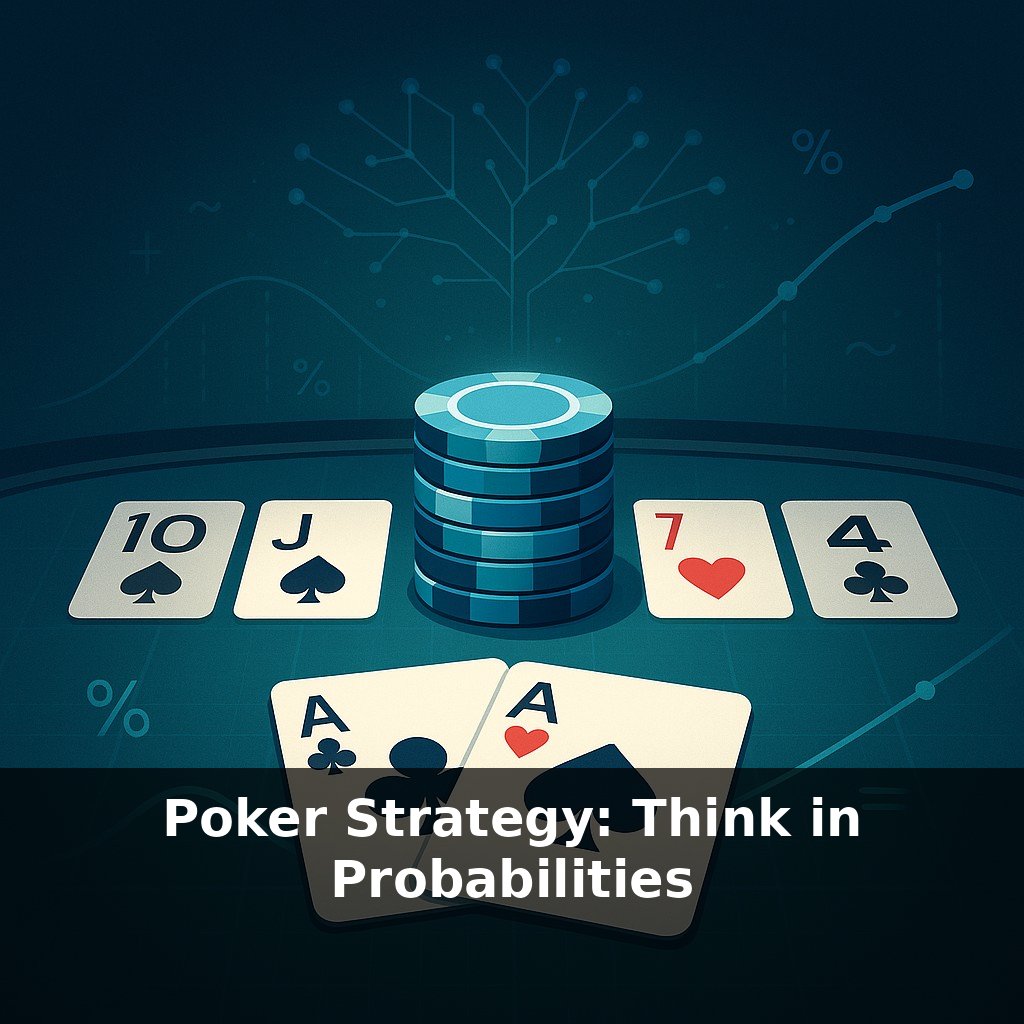
A standard flush draw only gets there about a third of the time—yet great players fire big bets with it and still make money. You’re in a pot, you miss your card, and the river bricks. Do you shut down, or pull the trigger? The real edge hides in when you bet, not what you hold.
Top pros don’t just ask “am I ahead?”—they ask “how often do I win when called, and how often do they just fold?” That quiet shift turns random aggression into a calibrated weapon. Every bet you make has two ways to profit: from your share of the pot when called (equity) and from the times nobody wants to see a showdown (fold‑equity). Put together, they form a kind of invisible scoreboard running in the background of every hand you play.
The twist: your cards are only half the story. Board texture, positions, and stack sizes can turn the same hand from an easy check into a mandatory raise. A timid call where you should be shoving isn’t “safe”—it’s burning money you can’t see. In this episode, we’ll zoom in on how pot odds, equity, and fold‑equity interact, and how small changes in sizing can flip a losing bet into a long‑term winner.
Now we’ll zoom out from single hands and look at your whole betting “portfolio.” Solvers don’t just say “bet strong, check weak”—they recommend mixing value bets, semi‑bluffs, and pure bluffs in precise ratios across those 169 starting‑hand classes. That mix keeps opponents from spotting patterns and punishing you. Think of it like a sculptor chipping away at marble: each bet size and frequency removes another “obvious” line from your game, leaving something harder to read. Our goal here isn’t robot‑like perfection, but learning how small, consistent betting choices add up to a strategy that’s tough to exploit.
Most players secretly bet their feelings, not their numbers. The trick is forcing your emotions to report to the math, not the other way around.
Start with a simple question before every aggressive action: “What *exactly* makes this bet win money?” There are only three answers, and you want at least two working for you most of the time:
1. **You’re ahead when called.** This is the classic “I think I have the best hand” case. But instead of a vague hunch, anchor it to ranges: what worse hands *reasonably* continue? If only better hands call a big bet, your “value bet” is actually a bluff—just a very bad one.
2. **You improve often enough when called.** With semi‑bluffs, the point isn’t just “I might get there.” It’s *how* that changes your line. When your draw hits, can you credibly keep betting big, or does the new card obviously help you in a way that scares off action? The more believable your story when you hit, the more aggressively you can push before you get there.
3. **They fold too much against this size and story.** Fold‑equity isn’t a vibe; it’s a function of what you represent versus what they hold. Tight players over‑fold in big pots once they’ve “capped” themselves by just calling earlier streets. Loose calling stations over‑defend tiny bets but still hate calling for stacks. Adjust your bluffing frequencies to *who* you’re facing, not to a fixed chart in your head.
Now layer in bet sizing as the steering wheel. Small bets invite wide continues and cheap bluffs from you. Large bets polarize: you’re saying “very strong or very weak.” To stay balanced, your big bet range must actually contain enough monsters that your bluffs aren’t obvious donations.
Think street‑by‑street. On the flop, your bluffs can come from hands with lots of improvement. By the river, the draw portion has vanished—what’s left is a deliberate mix of strong hands and stone‑cold air. Pros aren’t guessing at that 2:1 value‑to‑bluff mix; they’re backing into it from how their earlier decisions carved up their range.
Your long‑term goal: stop asking “Do I feel like betting?” and start asking “If I bet this size, with this hand, in this spot, how does it fit into a coherent story that makes money, even when things go wrong?”
You open in late position with a medium pair and get one caller. The flop comes low and disconnected—great for your range, awkward for theirs. Even if you’re unsure where you stand, your “story” is strong: you would continuation-bet many strong hands here, so including some middling pairs in that same betting line keeps you unpredictable.
Think of a basketball shooter: if they only take layups (obvious value) and never pull up from mid‑range (semi‑bluffs), defenders can collapse into the paint and shut them down. Mixing in a few lower‑percentage shots forces respect, which opens space for the easy points.
Another spot: you 3‑bet preflop with a handy blocker like an ace, miss the flop, and face a check. Even without a made hand, that ace quietly reduces the odds they have a monster. Firing once with a small bet leverages your preflop strength and that subtle card removal edge. When the turn changes nothing, you can often shut down versus the stubborn or press again versus the cautious, always asking: “Does my line still look like something strong would do?”
As solvers get embedded into training apps and even wearables, edge shifts from who *knows* the math to who can *execute* it under pressure. Think past single hands: which lines stay robust if opponents copy solver outputs or if formats change—short‑deck, mystery bounties, crypto cash games? You’re future‑proofing a system, not memorizing charts. Your challenge this week: in every tricky pot, pause afterward and ask, “Would my line still print if everyone at the table suddenly got 20% better?”
Treat each session like sketching, not carving stone: you’re testing lines, not proving you’re “right.” Some moves will feel wild, like splashes of bright paint, but review shows which strokes actually add value. Your challenge this week: after any big pot you contest, note one alternative line you *could* have taken and why it might earn more.