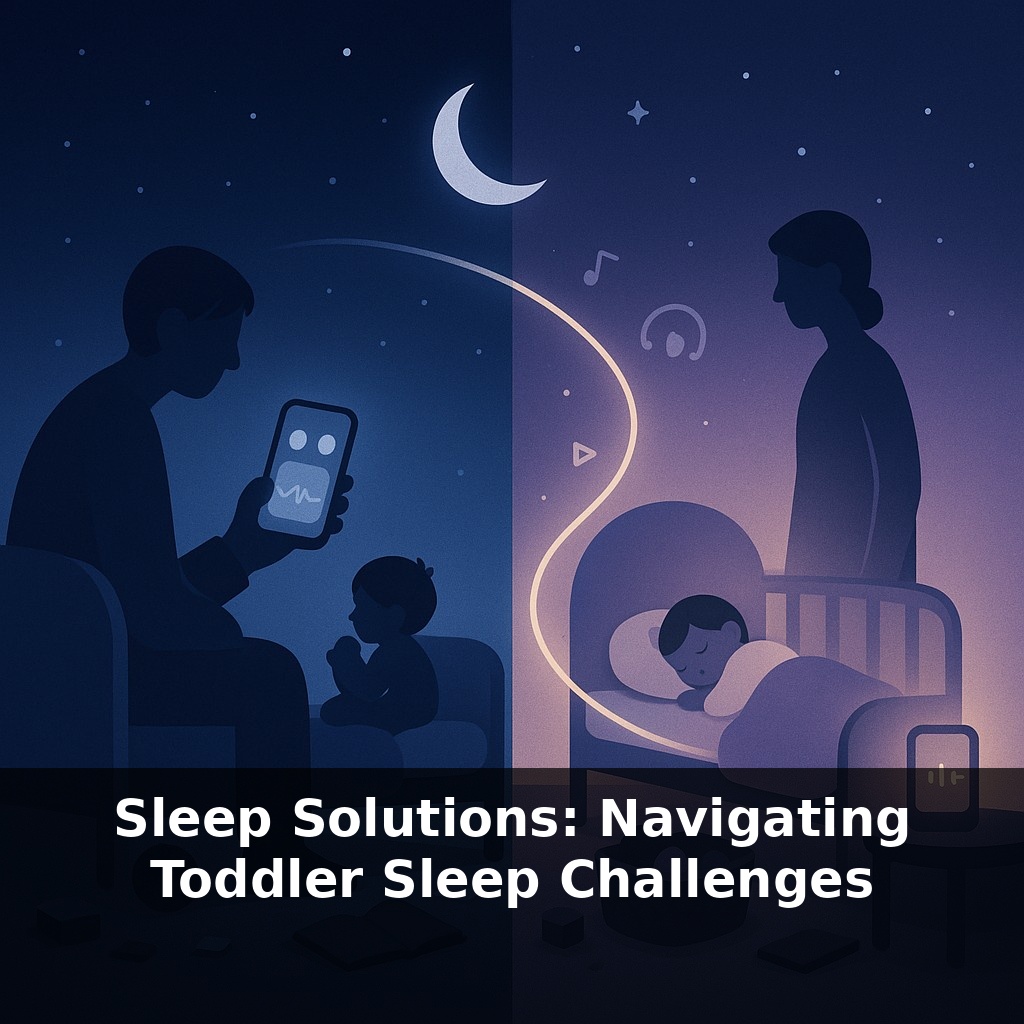
About a quarter of toddlers get less sleep than experts recommend—yet most are labeled “just bad sleepers.” Tonight, one parent is scrolling sleep blogs at midnight, while next door another quietly zips through bath, book, bed…and everyone’s asleep in minutes. What’s different?
About 1 in 4 toddlers gets far less sleep than they need, yet most parents are told they’ll “grow out of it.” Meanwhile, you’re stuck in the nightly loop: one more story, one more drink, one more negotiation. It can feel random—good nights scattered between weeks of chaos—so it’s easy to blame temperament, teething, or timing. But under the surface, patterns are quietly shaping every bedtime: when your toddler’s internal clock expects sleep, what their brain now links with falling asleep, and how consistently those patterns show up. Small mismatches here ripple out into long battles, early risings, or endless “pop-ups” after lights out. The goal isn’t a perfect, rigid schedule; it’s a predictable flow that your child’s brain can recognize and relax into—even on the messy days when everything else has gone off the rails.
Here’s where technology quietly slips into the picture. A “calm-down cartoon” after dinner, a quick FaceTime with grandparents at 8:30, or scrolling on your phone while your toddler dozes on your chest can all nudge sleep in the wrong direction—often in ways that don’t show up until hours later as wired, chatty, “suddenly starving” toddlers at bedtime. It’s not that screens are evil or that you have to live by candlelight; it’s that timing, brightness, and how your child actually falls asleep can turn neutral habits into powerful, unintentional sleep disruptors. Our job is to spot those pressure points and gently redesign them.
Parents usually focus on *what* their toddler does at night—calling out, stalling, climbing out of bed—when the more powerful lever is *how the night is built*. Think of three pillars working together: schedule, routine, and response. When those three line up, most behavioral sleep issues start to soften, even if your child is strong‑willed, sensitive, or going through a developmental leap.
First, schedule. Many “bedtime battles” are really timing problems in disguise: either your toddler isn’t tired enough yet, or they’re so wired that tiredness looks like hyperactivity. This is where techniques like bedtime fading come in: you temporarily move bedtime later to match when they’re *actually* falling asleep, then inch it earlier once falling asleep is easy. It feels backward, but you’re partnering with the body instead of arguing with it.
Second, routine. You’ve heard “be consistent,” but the content and *order* of steps matter, especially around tech. A quiet show right before bed may look calming, yet blue‑rich light and fast‑paced visuals can act like a double espresso for young brains. Screens earlier in the evening can be fine; the key shift is making the last 30–60 minutes screen‑free and deeply predictable. Many families find a simple 3‑step pattern works best, but the exact steps matter less than keeping them short, soothing, and always in the same sequence.
Third, response. Once lights are out, your behavior becomes the script your toddler learns. Techniques like graduated extinction, camping out, or “check‑ins” are just different ways of doing the same thing: giving your child space to practice settling, while still feeling secure. The method you choose should match your temperament as much as your child’s. If you’re going to abandon a plan on night two because it feels too harsh, it’s not the right plan; inconsistency is usually more upsetting than predictable, brief protests.
Screens intersect with all three pillars. Late‑evening video calls push schedules later, background TV hijacks routine, and doom‑scrolling in your child’s room makes it harder to follow through on responses. The goal isn’t perfection; it’s noticing where technology quietly pulls one of those pillars off‑balance, then nudging it back so sleep has a stable frame to rest on.
Think of this like redesigning a tiny house: you’re not adding more rooms, you’re rearranging what you already have so everything fits and flows. One family I worked with replaced their “wind‑down” cartoon with a 10‑minute photo slideshow on the TV, brightness dimmed, sound off. Same screen, different job: instead of stimulating, it became a cue to start slowing the evening—and they shut it off before the actual bedtime routine began. Another parent kept their work phone in the hallway instead of the bedroom. Their rule: if they had to reply after lights out, they’d step fully out of the room. Within a week, their toddler stopped popping up to “check” whether mom was still there doom‑scrolling. A third family set a nightly “tech alarm”: when a gentle chime sounded on the smart speaker at 6:45, all devices went to a single charging basket. That small, predictable ritual helped everyone shift attention from screens to each other, without a lecture about screentime.
AI may soon nudge you when your toddler’s sleep is drifting off‑track—like a GPS quietly suggesting a better route. Instead of static tips, you could get dynamic plans that adapt to illness, travel, or growth spurts using data from wearables, room sensors, even smart shades. But as melatonin gummies face tighter rules and screen‑sleep research shapes new guidelines, parents will still need to judge: which alerts support your values, and which are just digital noise?
Your week won’t all be wins—some nights will still unravel. That’s data, not defeat. Over time, you’ll start to see which levers matter most for *your* child: maybe it’s a 15‑minute shift earlier, or one less “just checking” visit. Like tweaking a favorite recipe, small, consistent adjustments can turn a barely‑workable bedtime into something reliably nourishing.
Before next week, ask yourself: “Tonight, when my toddler resists bedtime, what’s actually happening right before that moment—are we rushing, negotiating ‘one more show,’ or skipping our usual calm cue like dim lights and books?” “Looking at the past few nights, which specific part of our routine (bath, snack, screen time, room environment, wake windows) seems to hype my toddler up instead of winding them down—and what’s one thing I’m willing to experiment with changing for three nights in a row?” “When my toddler wakes at 2 a.m., what do I usually do in the first 60 seconds—do I send mixed messages by sometimes rocking, sometimes co-sleeping, sometimes offering milk—and how could I choose one consistent response that matches the sleep boundary I actually want long-term?”