Roughly half of the stock market’s returns never show up in the average investor’s account—not because of bad picks, but because of bad timing driven by stress. You’re not losing to Wall Street’s algorithms. You’re losing to your own heartbeat when markets move.
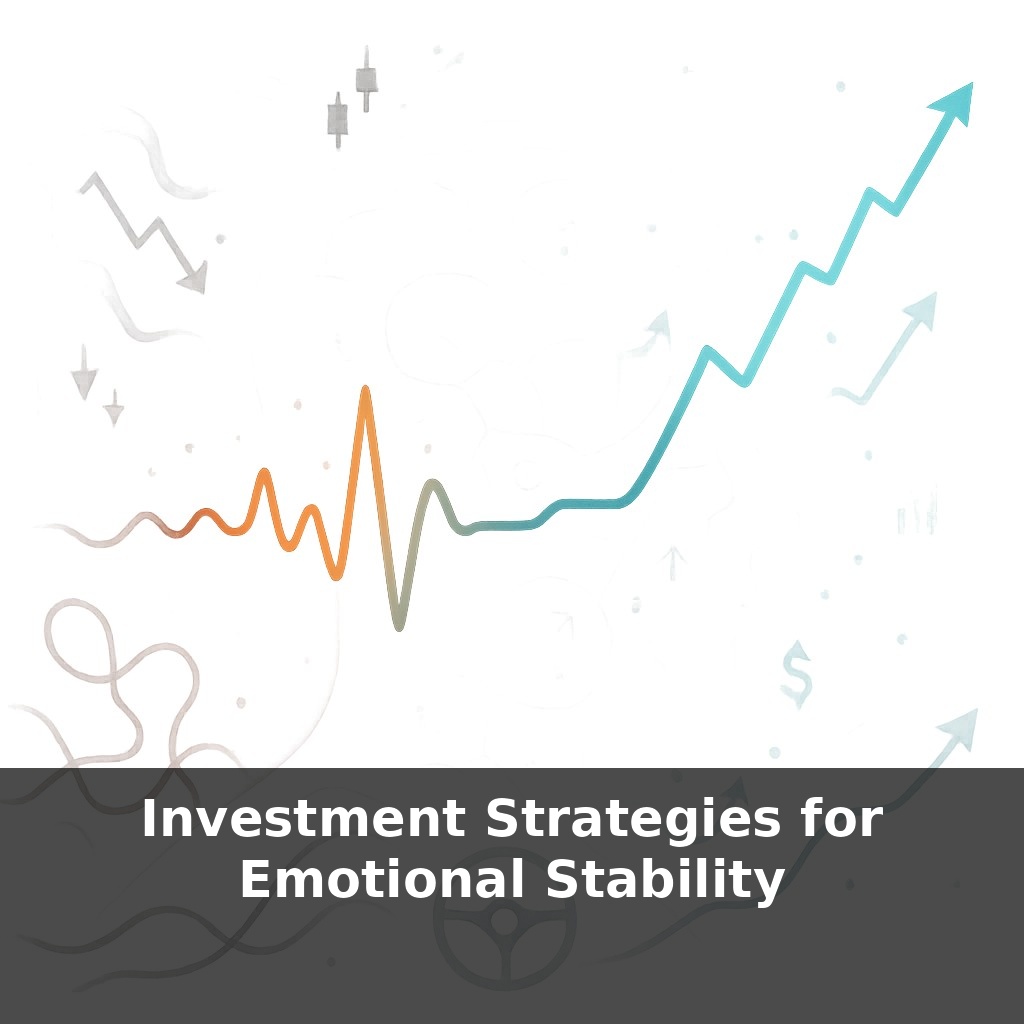
Here’s the uncomfortable twist: your emotions aren’t the enemy of good investing—they’re the fuel. The problem is untrained emotion: snapping from excitement to panic, like a new driver oversteering at every bump. Behavioral finance shows that most costly mistakes don’t come from ignorance of what to do, but from being unable to do it when it matters. Emotional intelligence is the missing layer: noticing the spike of fear before you sell, recognizing the thrill before you chase, and having pre-set rules that quietly overrule both. Think of investors who calmly added money in March 2020, not because they felt brave, but because their systems did the heavy lifting. They weren’t less human; they were better prepared. In this episode, we’ll turn your feelings from saboteurs into signals—and then into strategy.
Most people try to “think harder” when markets get choppy, but your brain is often late to the party—your body reacts first. A headline hits, your stomach drops, your shoulders tense, and only then does the story in your head start: *I should sell… maybe wait… what if it gets worse?* That swirl is exactly where the 3–4 % behavior gap is born. The goal now isn’t to be calmer in theory, it’s to notice these micro-signals early enough to turn them into rules you can actually follow. We’ll start grounding your plan in what your money *means* to you, not just in what the charts say.
Most people try to “fix” their investing by hunting for better funds or hotter stocks. Yet the data you just saw points somewhere else: the real edge is in how you experience risk *in real time* and then route that through rules, not impulses.
Start by separating two layers of your investing life:
- **The planning you do when you’re calm** - **The decisions you face when you’re triggered**
Those two “you’s” do not behave the same. The calm version might say, “I’m long-term, I can handle volatility.” The triggered version says, “Get me out, now.” Your job is to let the calm version design systems that quietly constrain the triggered one.
Three categories of rules tend to work well:
1. **Time-based rules** These govern *when* you act. Examples: - “I only review my portfolio on the first business day of each month.” - “I never trade on the same day I read a scary headline; I wait 24 hours.” Time creates emotional cooling. Even a single night of sleep can shift you from tunnel vision to perspective.
2. **Price/threshold rules** These govern *what has to happen* before you act. Examples: - “If any position grows beyond 20 % of my portfolio, I trim it back.” - “If my portfolio drops 15 % from its high, I rebalance; I do not sell to cash.” The key is that the threshold is set in advance, so the decision is “if this, then that,” not “what do I feel like doing?”
3. **Automation rules** These outsource execution: - Automatic monthly contributions, regardless of headlines - Auto-rebalancing within a 401(k) or robo-adviser - Pre-scheduled emails or app reminders that say, “Market down? Check your rules, not your feed.”
Notice what these have in common: they shrink the space where panic can operate. You’re still allowed to feel everything—you’re just narrowing the number of levers available when those feelings spike.
To make this personal rather than theoretical, link each rule to a specific *meaning* of your money. A rule tied to “I want my daughter’s college paid for” is far more resilient than one tied to “I want to beat the index.” When the screen turns red, you’re not just defending a percentage; you’re defending a promise.
A practical way to test these rules is to run “emotional fire drills” on your portfolio. Take a past event—say, March 2020 or a sharp drop in your own account—and replay it using today’s rules. Where, exactly, would your time-based rule have kicked in? Which threshold would have forced a rebalance instead of a retreat? Treat it like debugging a piece of software: you’re not judging past you; you’re stress‑testing present you.
Concrete examples help. One investor I worked with set a rule that any time a holding hit a new high, she *automatically* trimmed 5 % and sent it to cash for her “future opportunities” bucket. Another tied extra contributions to emotional triggers: whenever he *felt* like bailing out after bad news, he invested an extra 1 % of his monthly income instead—turning anxiety into fuel.
Your challenge this week: pick a specific historical drop that scared you, and map, step by step, how your current rules would have handled it differently.
As these tools evolve, your “future self” may sit between two dashboards: one showing asset allocation, another reflecting your current calm-or-panic level—like reading both your bank balance and a weather report before heading out. Platforms could nudge you toward actions that fit your long-term script, not today’s mood. Your role shifts from chasing signals to curating which ones are allowed to reach you, and when, so your system stays sturdier than any single headline.
Over time, this turns your portfolio into a kind of emotional training ground: each fluctuation becomes feedback, not a verdict. You’re no longer trying to predict the next move, but to refine how you respond to it. Your challenge this week: notice one moment you feel pulled to act fast, and practice delaying that move by a single, deliberate breath.