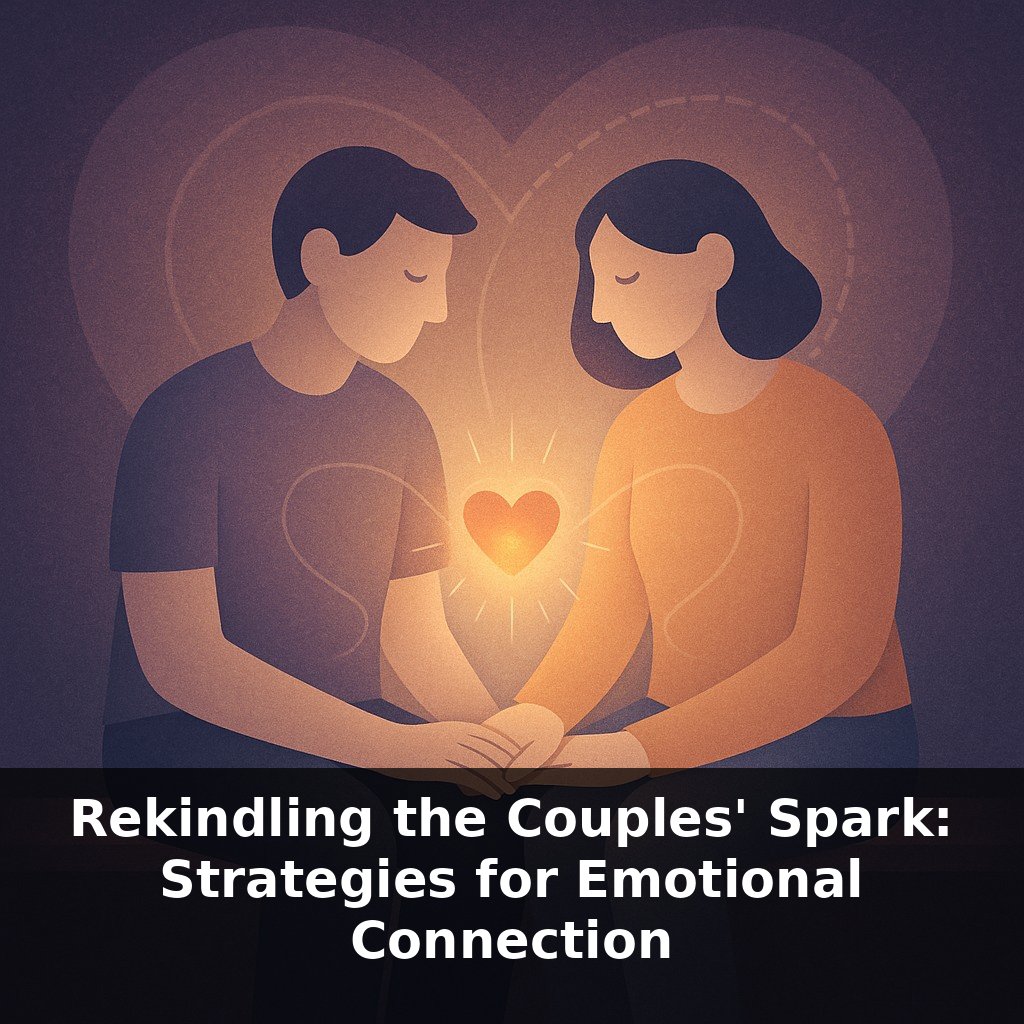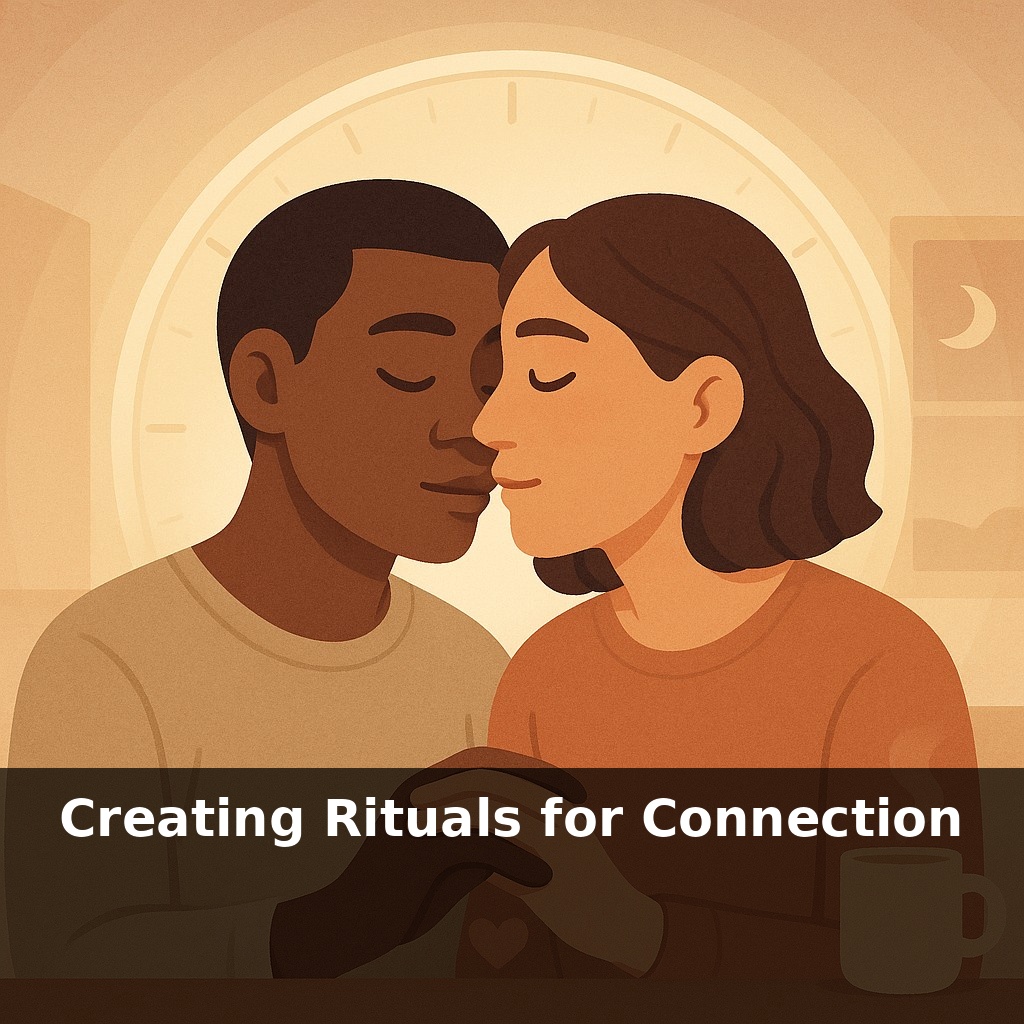
A quiet six‑second kiss can change how secure your relationship feels for the next twelve hours. One small, repeated moment—before coffee, after work, right before sleep. Same gesture, totally different story each time. So why do some couples let these tiny rituals disappear?
Forty‑seven percent. That’s how much lower the odds of divorce are for adults who grew up in families with simple, steady routines. Not grand vacations—just regular Sunday pancakes, evening walks, or a shared TV show that everyone gathered for. Those ordinary patterns quietly taught: “We show up. We do this together.”
In couples, something similar happens when you create your own micro‑traditions: a weekly “state of us” walk, the way you say goodbye before work, the half‑joking salute you give each other across a crowded room. These aren’t random habits; they’re chosen, repeated scenes in the story of “us.”
You don’t need hours or dramatic gestures. You need consistency plus meaning. Think less fireworks, more pilot light: small, steady flames that keep the whole system warm, even when life’s weather turns rough. Now, let’s turn that idea into something you can actually practice this week.
Here’s the catch: most couples don’t “decide” to lose their connection—they just drift out of the moments that used to anchor them. Work runs late, phones fill the in‑between spaces, and the day quietly slides by without a single deliberate point of “us.” Research on daily interactions shows that it’s not grand romantic events but small, predictable touchpoints that keep partners feeling seen. The sweet spot is tiny rituals that fit where your life already has seams: the first five minutes after reuniting, the last two minutes before sleep, the transition from dinner to cleanup, the pause in the car before going inside.
Think of this next part as design, not destiny: you and your partner get to *build* how your everyday life feels together.
Research on couples’ “we‑ness” shows something important here. It isn’t just *whether* you have shared moments—it's how unmistakably *yours* they are. A six‑second kiss is one thing. A six‑second kiss where you both hum the same silly tune, or one of you always tries to make the other laugh before it ends? That’s different. It becomes a tiny “we do it like this” that no one else shares.
Personalized rituals usually have three ingredients:
1. **A clear trigger.** They’re anchored to a specific cue: keys in the door, first sip of coffee, dishwasher closing, lights switching off. The cue does the remembering for you, so it doesn’t rely on willpower at the end of a long day.
2. **A repeatable script.** Not rigid, but recognizable. Maybe every Friday dinner starts with the same question: “What are you glad we did this week?” The words might shift a bit, yet the pattern stays.
3. **A meaning you’ve named.** This is the part most couples skip. When you *say out loud* what a ritual is for—“This is our way of checking that we’re still on the same team”—your brain tags it as important instead of optional.
Newer research on behavioral synchronization adds another layer: when partners move, speak, or breathe in rhythm—even briefly—their nervous systems tend to calm and align. Walking at the same pace, clinking mugs at the same time, doing a two‑minute stretch together before bed all send quiet signals of “with, not against.” Over time, that makes turning toward each other during conflict feel more natural, less like switching into a different relationship.
The biggest trap is assuming rituals must feel magical from day one. Often they feel a bit awkward at first, like starting a new dance. That’s normal data, not a verdict. What predicts long‑term closeness isn’t instant chemistry with a ritual; it’s your willingness to gently tweak it until it fits your actual life: shorter, sillier, moved to a different time of day, or linked to something you already never skip—coffee, commuting, collapsing on the couch.
Some couples use rituals like emotional “bookmarks” throughout the week. Monday might hold a quick playlist swap where each person sends one song that matches their mood. Wednesday could be “3‑minute brag night,” where you deliberately hype each other up about something the other did well. Sunday might end with a five‑sentence recap: one thing you loved, one thing you learned, one thing you want more of next week, and so on. None of these take long, but each one orients you back toward the partnership, not just the logistics of life.
You can also weave rituals around existing differences. If one of you is a night owl and the other wakes early, create a “changing of the guard” moment: the early riser leaves a sticky note by the coffee, the night owl leaves one by the bed. Over time, that exchange becomes a soft handoff between your separate rhythms. Like two painters working on the same canvas at different hours, the small, recurring marks slowly reveal a shared picture neither could have made alone.
As tech pulls partners into separate bubbles, the couples who stay intentional will likely treat rituals almost like “relationship hygiene”—non‑negotiable, like brushing teeth. We may see apps that notice when your stress spikes and nudge both of you into a 60‑second sync: shared breathing, a quick “state of us” check. Long‑distance pairs might meet in VR “third places” that feel as familiar as a local café, returning to the same digital corner table the way others return to a favorite park bench.
Treat this like a creative experiment, not another task. You might test a “rainy day ritual,” only used when one of you feels off, or a “transition ritual” whenever you switch from work mode to home mode. Over time, patterns will emerge: which moments soothe, which feel forced. Follow the ones that make you both a bit lighter when you return to ordinary life.
Here’s your challenge this week: Choose one everyday moment—like your morning coffee, evening dishes, or school pickup—and turn it into a 5-minute connection ritual with someone you care about. Do it at the *same time, in the same way* every day for the next 7 days (for example: “Tea at 8 pm on the couch, phones in a basket, one ‘high’ and one ‘low’ from the day”). Name the ritual together (like “Porch Pause” or “Nightly Decompress”) and tell the other person you want to try this for a week. At the end of the week, ask them one specific question: “Should we keep this exact ritual, tweak it, or trade it for a new one?”