“History doesn’t repeat itself, but it often rhymes.” You’re sitting in a small room with strangers, each sharing one painful story from their past. By the end, people are lighter, not heavier. How does looking straight at old wounds sometimes bring unexpected relief instead of despair?
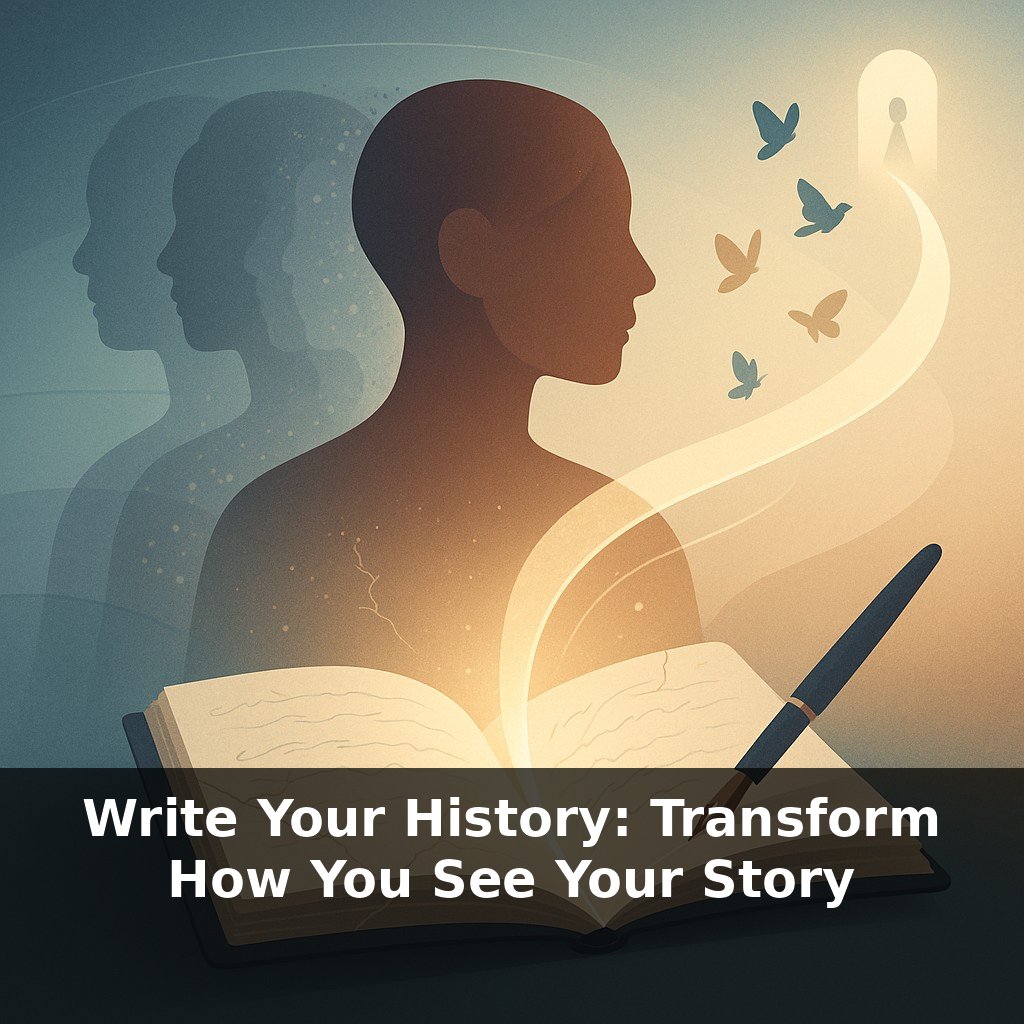
A psychiatrist once noticed something odd: patients who wrote down the hardest chapters of their past—rather than trying to “stay positive”—often slept better, argued less, and felt more steady. Not instantly, and not magically. But enough that the pattern became impossible to ignore.
Across fields, researchers are seeing a similar pattern at larger scales. When people are guided to revisit what hurt them—through structured questions, listening groups, even public testimonies—many don’t just “vent.” They begin to sort scattered fragments into a storyline: who they were, what happened, what they carried, what they chose next.
That storyline doesn’t erase loss or injustice. What it can do is shift the inner posture from bracing against the past to standing with it, the way a tree thickens at the site of an old storm-bent scar. And from that sturdier place, something unexpected becomes possible: using those memories as tools for today’s choices.
Researchers call this “meaning-making,” but it shows up in ordinary places: a grandparent recording a memoir for their grandchildren, a community organizing a walking tour of sites that once held unspoken pain, a teacher inviting students to interview elders about a difficult era. Across studies, the common thread isn’t perfection or closure—it’s structure, witnesses, and time. Like musicians layering tracks in a studio, people add context, voices, and reflection to raw experience until something more coherent—and surprisingly usable—emerges from the noise.
Tucked inside those numbers is something quietly radical: when people face hard histories in a guided way, they don’t just “feel heard”—their minds, relationships, and even communities start to work differently.
In clinical settings, that 29% drop in depressive symptoms from life‑review therapy isn’t just about mood. Follow‑up work shows participants often report sharper clarity about their values and a more stable sense of who they are across time. It’s as if scattered snapshots finally get sorted into an album: not prettier, but organized enough that you can flip through without being overwhelmed.
Scale that up, and you get processes like South Africa’s Truth and Reconciliation Commission. Over 7,000 testimonies weren’t simply archived; they were woven into public hearings, radio broadcasts, school discussions. The point wasn’t consensus—it was coherence: a shared reference frame for what had happened. When 72% of surveyed South Africans later said the TRC promoted national unity, they weren’t claiming everything was fixed. They were naming a baseline of common reality from which arguments, reforms, and repairs could at least begin.
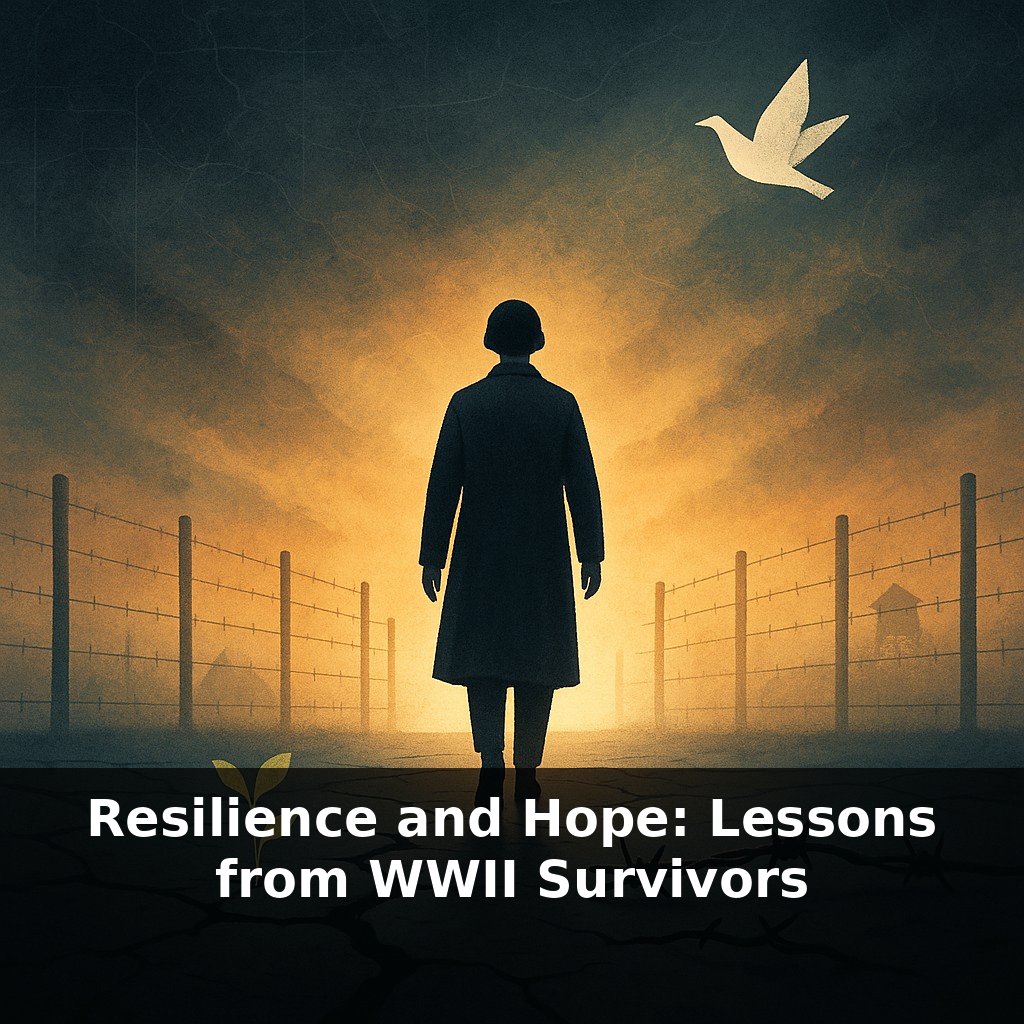
Education projects push this further. The USC Shoah Foundation’s testimonies reach about 8 million students a year, not as abstract “lessons from history,” but as specific voices attached to names, places, and choices. Studies on these programs find increases in empathy and reductions in tolerance for hate speech—not because students memorize dates, but because they start to recognize familiar psychological moves: denial, moral courage, bystander hesitation.
Rwanda’s gacaca courts add another layer. Community members who attended at least five sessions were 40% less likely to endorse revenge. That shift doesn’t mean they “forgave and forgot”; many still carried grief and anger. But repeated, structured encounters with conflicting stories seemed to loosen the link between pain and payback, opening space for more pragmatic aims: safety, rebuilding, preventing recurrence.
Taken together, these findings suggest that when reflection is held by clear formats, ethical guidelines, and some form of public record, it can do triple duty: easing individual distress, thickening social trust, and feeding directly into policy debates about what “never again” should actually look like now.
A veteran’s writing group meets weekly in a library basement. They don’t just “share feelings”; each person brings one scene, adds details they’ve avoided, then others ask practical questions: Who else was there? What happened right after? Over months, those pages become chapbooks passed to family, then used in local trainings for new therapists and first responders. A private knot slowly turns into public know‑how.
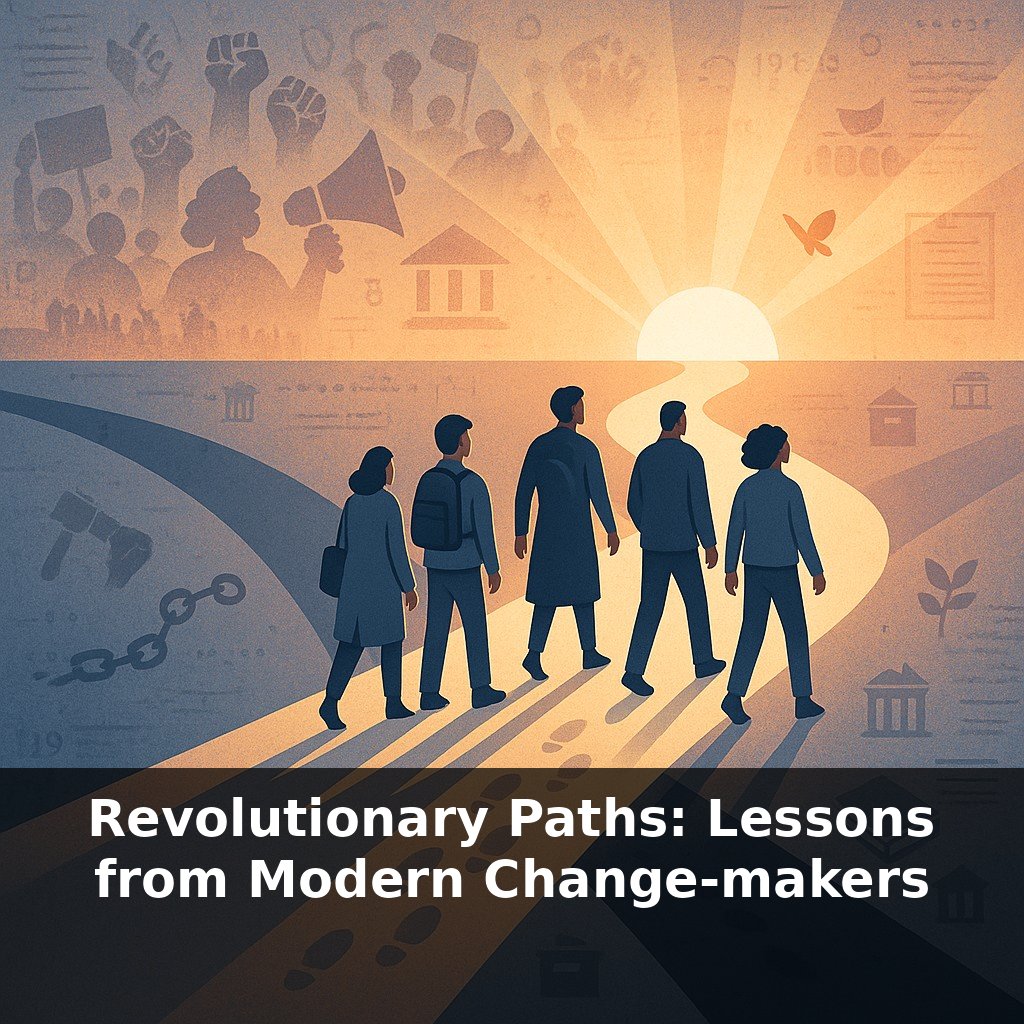
A city once known for a factory fire now hosts an annual “trail of stories”: plaques, audio stops, and short plays created with descendants of workers. Visitors follow the route, hearing not only loss but also the safety laws, unions, and small acts of courage that followed. The past becomes less like a closed museum and more like a workshop where current organizers borrow tactics.
Your own version might look quieter: recording a voice note for future nieces, co‑creating a digital timeline with neighbors, or curating a family “resilience playlist” of songs tied to hard years and how people got through.
Soon, stepping into a headset might place you beside a survivor giving testimony, while an AI therapist quietly tracks your stress signals and suggests when to pause, breathe, or journal. Cities could host “memory labs” where residents upload local stories that planners consult like weather maps before passing new laws. Your challenge this week: ask one older person what they’d want future leaders to learn from their hardest year—and record it with their consent.
In the end, reflection isn’t homework from the past; it’s a toolkit for the future. Like gardeners swapping seeds after a storm, we trade stories of what survived, what failed, what regrew in unexpected corners. The more precisely we name these patterns, the more options we give the next person standing in the rain, wondering what might still take root.
Before next week, ask yourself: 1) “When I think about my family’s story or my community’s history, where do I feel a physical reaction in my body (tight chest, knot in stomach, etc.), and what specific memory or historical event is that tied to?” 2) “Whose version of this history have I been carrying—my parents’, my school’s, my culture’s—and what happens if I gently question one ‘truth’ I was taught about it?” 3) “If I were to have a 10‑minute ‘imaginary conversation’ with an ancestor or historical figure connected to this pain, what would I ask them, and what do I most need to hear from them to move one step toward healing today?”