 2min preview
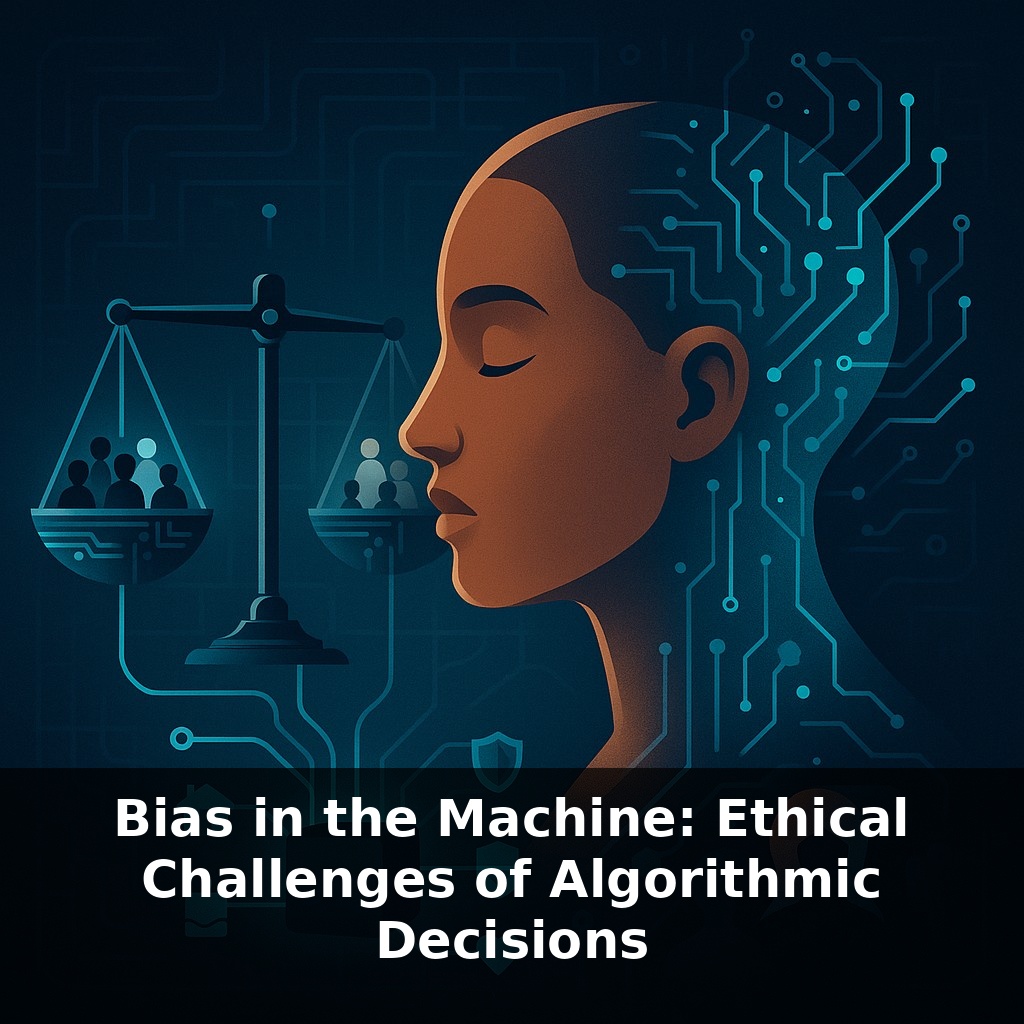
Bias in the Machine: Ethical Challenges of Algorithmic Decisions
📝 Transcript
A computer once told a judge that a Black defendant was “high risk” almost twice as often as a white defendant in the same situation. Now, hear this: that same quiet, invisible logic may be scoring your loan, filtering your résumé, even curating who you date online.
That quiet scoring machinery doesn’t just live in courtrooms and credit offices. It’s woven into the “frictionless” parts of your day. A navigation app routes police patrols to certain blocks more often, because past reports cluster there. A school district’s software flags which students “need intervention,” nudging attention and resources toward some kids and away from others. A hospital’s triage system ranks who gets a scarce specialist appointment first. None of these systems slam a door shut in a dramatic way; they make thousands of tiny tilts—who sees which job ad, whose profile is promoted, whose application is “recommended for review.” Like a high‑frequency trader nudging markets in milliseconds, these algorithms shift opportunities in increments too small to feel, but large enough to reshape lives over time. And most of the time, no one can point to a single human who decided.
When those hidden systems tilt decisions, it’s tempting to blame “the algorithm” as if it were a rogue employee. But the real story is messier: historical data, design shortcuts, business incentives, and rushed deployments all leave fingerprints on the outcomes. A hiring tool quietly learns to favor career paths that look like yesterday’s executives. A content‑ranking system boosts posts that trigger outrage, because outrage keeps people scrolling. A fraud detector “plays it safe” by over‑flagging people from certain neighborhoods. The pattern isn’t evil code; it’s unexamined assumptions, scaled and automated.
Subscribe to read the full transcript and listen to this episode
Subscribe to unlockSubscribe for $1.99/month to unlock the full episode.
From this course
The Morality of Machines: AI and Ethical Dilemmas
6 episodesUnlock all episodes
Full access to 6 episodes and everything on OwlUp.
Subscribe — $1.99/monthLess than a coffee ☕ · Cancel anytime