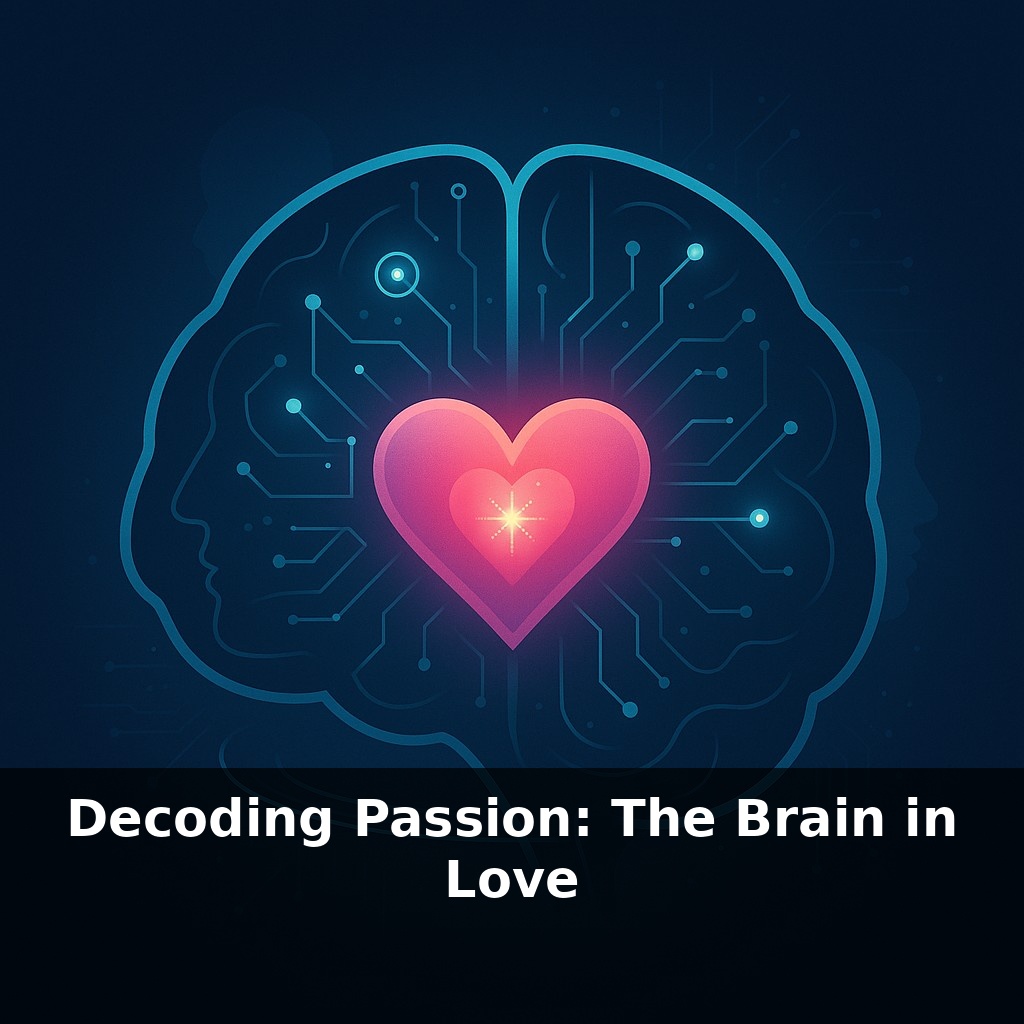
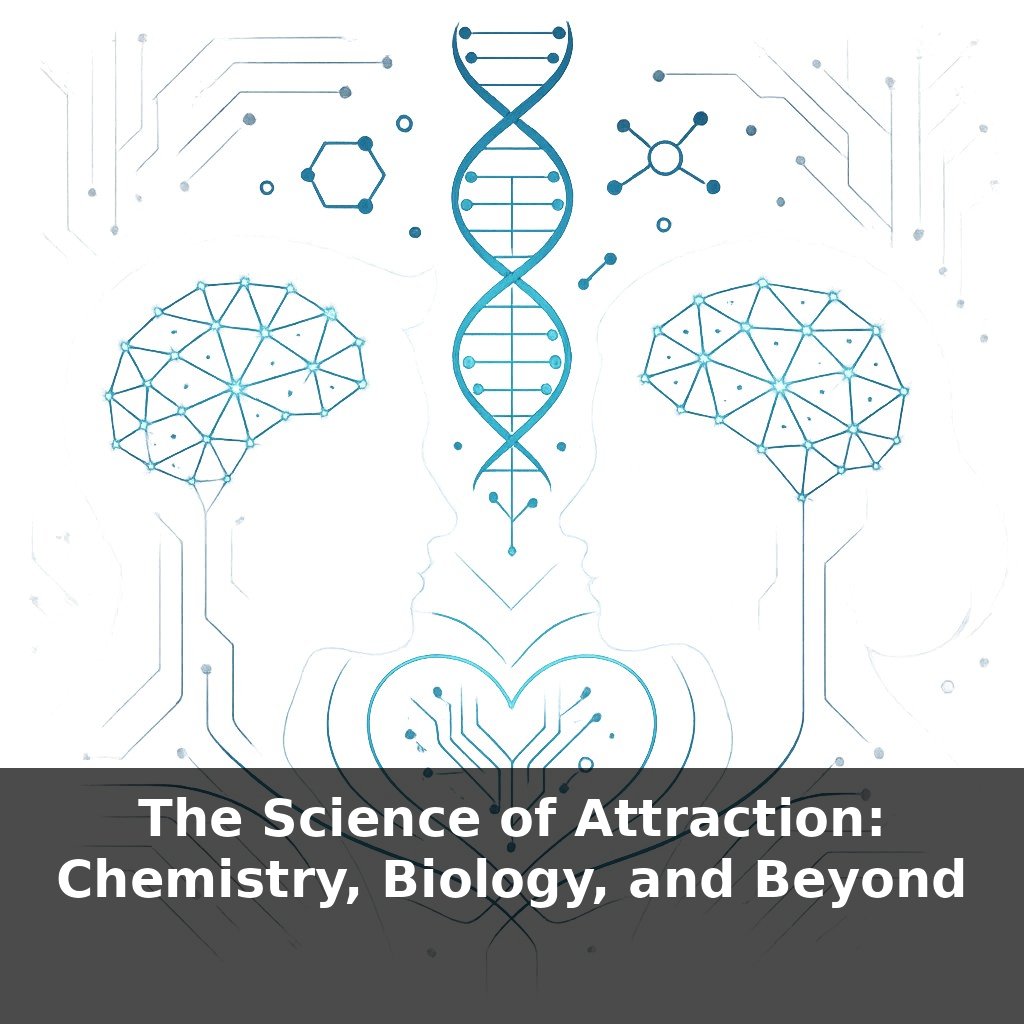
Romantic love can show up on a brain scan in less than half a second after you see someone’s face. You’re just saying hello, but deep in your skull, circuits linked to addiction, focus, and reward are already firing. So here’s the puzzle: are you choosing love, or is love choosing you?
In this episode, we move from noticing that love shows up in the brain to asking *how* it quietly rewrites your priorities. Within fractions of a second, your attention narrows around one person, your memory starts tagging their texts, their voice, their habits as “important,” and your usual filters soften. Regions like the insula and anterior cingulate begin integrating body signals—sweaty palms, racing heart—with meaning: *this matters, don’t look away*. At the same time, attachment-related systems ramp up, nudging you to seek closeness and tolerate inconvenience you’d reject from almost anyone else. It’s not just “feeling romantic”; it’s a coordinated shift in perception, risk–reward calculations, and even pain tolerance. In other words, your brain quietly updates its internal settings so that one particular person becomes a central project in your life.
As this “one-person priority mode” settles in, deeper systems start negotiating how much risk, effort, and vulnerability you’ll tolerate. The caudate and nucleus accumbens quietly track every text reply, shared joke, or late-night call as tiny returns on an emotional “investment,” reinforcing pursuit when the “profits” feel high. At the same time, older attachment circuitry—shaped by early caregiving and past relationships—supplies a template for closeness: how quickly you trust, how panicked you feel at silence, how intensely you chase reassurance when something feels off.
When this “one-person priority mode” locks in, the brain doesn’t just care more; it starts spending its resources differently. The ventral tegmental area (VTA) ramps up dopamine not as a general “feel-good mist,” but as a targeted signal: *pursue this, persist here, tolerate setbacks*. In Fisher’s classic work, that signal jumped to about 2.5× baseline when people saw their romantic partner compared to a neutral acquaintance. Your brain is literally paying a higher “bounty” for anything related to that person.
Meanwhile, the caudate and nucleus accumbens are busy updating predictions: *If I send this text, how likely is a rewarding response? If we plan a weekend together, will it deepen the bond or expose a fault line?* With each interaction, these regions quietly adjust their expectations, which is why a sudden shift—delayed replies, cooler tone—can feel disproportionately jarring. The prediction model your brain built around them is being violated.
Now add oxytocin and vasopressin into the mix. Spikes of oxytocin during eye contact, touch, or sex don’t just create warmth; they tag those moments as “safe and significant,” making separation feel more costly over time. Vasopressin, more tied to territoriality and guarding, can contribute to that blend of protectiveness and jealousy that shows up in some people more than others, depending on genes and history.
This is also where the line between love and addiction blurs. The same reward circuits that respond to cocaine are activated during early infatuation, but here the “drug” is a person’s presence, approval, and availability. When things go well, the system bathes you in reinforcement. When they don’t, you can experience withdrawal-like symptoms: intrusive thoughts, sleep disruption, appetite changes.
Yet long-term bonds aren’t just about staying high. Over months and years, the brain typically shifts from a volatile, novelty-driven pattern toward a more stable attachment configuration, where comfort, mutual regulation of stress, and shared routines carry more weight. Acevedo’s work suggests that even decades in, some people still show strong reward responses to a partner’s face—only now layered with the neural signatures of security rather than sheer pursuit.
Think of your brain like a high‑risk investment fund that suddenly decides one stock is worth betting big on. Before this person, your “portfolio” of attention and effort was diversified—friends, work, hobbies, future plans. Once they enter the picture, the fund starts reallocating: more time scanning for their messages, more cognitive bandwidth replaying last night’s conversation, less energy for everything else.
Tiny “market signals” shape that reallocation. A quick reply after a vulnerable text? Your internal model upgrades their reliability, and the fund commits more resources—maybe you share a deeper story or shift your schedule to see them. A vague answer about the future? The risk meter ticks up, and stress circuits start hedging: you might stalk old photos, test them with small bids for reassurance, or pull back preemptively.
Technology quietly amplifies all of this. Read receipts, “last seen” timestamps, and streaks act like real‑time price charts, feeding prediction systems that were never designed for this much data, this fast.
Decoding these circuits could reshape how we handle connection and loss. Therapies might one day “tune” attachment—not to manufacture romance, but to help those whose systems misfire in autism, trauma, or chronic loneliness. Tech companies are already exploring wearables that infer bonding from micro‑patterns in heartbeat and gaze, like a social “credit score” that updates in real time. The ethical test will be whether we use that power to repair relationships—or to rate, sort, and sell them.
So where does this leave you? Those rapid‑fire signals and quiet rewrites don’t dictate *who* you must love, but they do shape how intensely you’ll fight for them—or struggle to let go. Noticing your own patterns is like finally seeing the strings in a magic trick: the wonder is still there, but you gain just enough awareness to decide which illusions you’ll keep.
Try this experiment: For one week, pick a specific person you feel strongly attracted to and, before you see or text them, rate your “brain in love” score from 1–10 based on how excited/obsessed you feel. Then, deliberately shift your brain state using one of the episode’s levers: do 3 minutes of slow nasal breathing or a short bout of intense movement (like 20 jumping jacks) *before* interacting with them. After the interaction, rate your “brain in love” score again and note if your feelings, focus, or behavior changed. By the end of the week, compare your before/after scores to see how much your physiological state actually modulates your experience of passion.