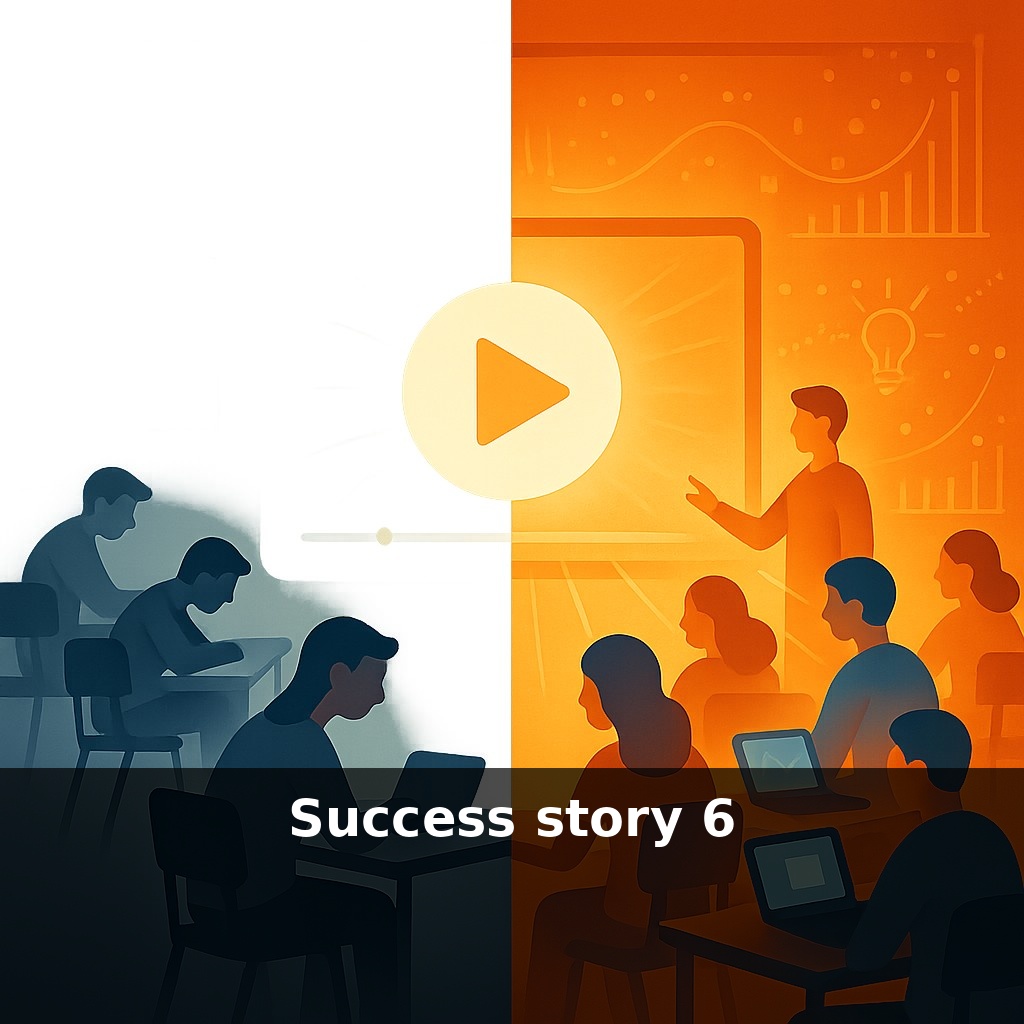
A quiet high school in Montana once turned a mostly bored AP Biology class into one where nearly every student started passing the exam. Same teacher, same kids. The only big change? How they used video and class time. So, what actually happened inside that room?
That Montana classroom wasn’t a one-off miracle; it was an early hint of a bigger pattern researchers are now mapping out with hard numbers. Across dozens of schools and universities, when teachers treat boredom like useful data instead of a disciplinary problem, the results show up in test scores, not just in vibes. A massive review of flipped classrooms, for example, found an average seven-percent bump in exam performance—like nudging a whole class from the academic “middle seat” into the aisle. Meanwhile, gamified lessons in nursing programs have produced striking jumps in what students actually remember weeks later. And in one New Jersey district, turning reading practice into a structured game world helped previously disengaged middle schoolers post double-digit gains. The common thread: tech isn’t the hero; it’s the instrument. The real shift is who’s holding the baton—and how they listen to boredom as feedback.
Sometimes the numbers feel almost too clean. Seven percent here, twenty-three percent there—like tidy score bumps living in a spreadsheet. But inside real classrooms, those shifts come from dozens of messy, human decisions: which tool to trust, which activity to drop, when to try something that might flop in front of thirty teenagers. The interesting question isn’t “Does tech work?” so much as “Under what conditions does it stop boredom from spreading?” That’s where patterns are emerging: moments when students choose harder tasks, argue over ideas, or stay with a problem the way fans stay through overtime.
In the research, the turning point usually starts the same way: a teacher stops asking, “Why are they so lazy?” and starts asking, “Where, exactly, do they check out?” Not just “this unit is boring,” but “minute 12 of my explanation,” “the second similar practice problem,” “any time I ask for silent reading longer than five minutes.” That level of zoomed‑in boredom mapping is what separates random tech use from targeted redesign.
One practical pattern: teachers identify a “boredom spike” in a lesson, then redesign only that slice with a specific tool and a specific purpose. When a nursing instructor noticed glazed eyes during terminology lectures, she didn’t digitize the whole course; she turned just the vocab segment into short, timed challenge rounds tied to real patient cases. The Brull & Finlayson retention bump didn’t come from fireworks—it came from aligning the most tedious part of the class with a game mechanic that demanded quick, meaningful decisions.
Another pattern: shifting from passive correctness to visible thinking. In Fair Haven, reading scores didn’t jump just because there were points and avatars. Teachers built quests where students chose which texts to tackle, logged strategy reflections, and saw their progress visualized over time. The tech made effort and growth concrete, especially for kids who previously felt invisible because they were “average” or quietly stuck.
Agency keeps showing up as a quiet amplifier. When students can pick paths—select problem sets at different challenge levels, decide whether to demonstrate understanding via a podcast, slide deck, or annotated diagram—the same curriculum starts to feel less like a script and more like a series of moves in a strategy game. That choice isn’t cosmetic; it adjusts cognitive load. Students who are under‑challenged can opt into stretch tasks; those near overload can practice the core skill in a format that fits.
There’s also a feedback loop most case studies share: teachers run small, low‑risk trials, watch the data, and iterate. A single unit gets reworked. Attention and quiz performance are tracked for two weeks. Student comments are collected in one quick survey. If a change works, it spreads; if it flops, it’s quietly retired. The standout classrooms aren’t the flashiest—they’re the ones treating every bored stare as a clue and every new tool as a hypothesis, not a guarantee.
A middle‑school math teacher in Ohio noticed that her class grew restless right after the second example problem. Instead of adding more slides, she built a branching “choose your own path” problem set in a simple quiz app. Students who felt ready could unlock challenge routes; others could request a scaffolded hint track. Within a week, the most vocal “this is boring” student was racing to clear the hardest path before the bell.
In a community college history course, the instructor turned a dense unit into a collaborative timeline using an interactive document tool. Each student claimed one tiny corner of the era, added sources, and recorded a 60‑second audio note explaining why their event mattered. Quiet students, who rarely volunteered aloud, became the ones classmates relied on to clarify confusing entries.
Reworking a dry stretch of content with technology can feel less like “adding bells and whistles” and more like a careful medical dose adjustment: just enough to relieve the pain point without changing the whole treatment plan.
AI tools may soon flag subtle “mental drift” before a student even looks away—like a sensitive microphone picking up a fading note. Instead of waiting for confusion to snowball, lessons could auto‑shift pace, modality, or difficulty in the moment. AR “side quests” might appear when curiosity spikes; micro‑credentials could track niche strengths that grades miss. The risk—and opportunity—is letting algorithms suggest paths while teachers still choose which doors stay open.
Your challenge this week: pick one lesson and treat it like a beta launch. Before class, choose a single friction point and plan a tiny tech tweak. During class, note three student reactions as if you were user‑testing an app. Afterward, keep only what clearly helped. Boredom isn’t the bug in this process—it’s the crash report that guides your next update.