At Pixar, one quiet tweak cut story revisions by about half. No new software, no all‑nighters—just a smarter rhythm of feedback. Now, here’s the paradox: the harder you push to “stay creative,” the faster your ideas stall. So what actually keeps your momentum alive?
That same paradox shows up in your own projects: one week you’re on a roll, the next you’re staring at the cursor, wondering where that version of you went. It feels mysterious, but there’s a pattern hiding in plain sight—inside your calendar, your body, and even your pulse.
Research suggests your best ideas don’t arrive when you’re grinding at 110 %, but when your system is humming at a sustainable mid‑gear. Not exhausted, not under‑challenged—just engaged enough that your attention is sharp and your mind can still wander at the edges.
In this episode, we’ll look at how to design for that state on purpose: shaping your days around natural energy waves, using brief “off‑duty” intervals strategically, and setting up feedback that keeps your projects moving without turning every session into a test.
Think about the last time your writing day felt oddly “easy”: scenes linked themselves, problems untangled mid‑sentence, and you closed your notebook wanting just a little more time. That wasn’t luck; it was your mind briefly lining up with how your brain and body naturally like to work.
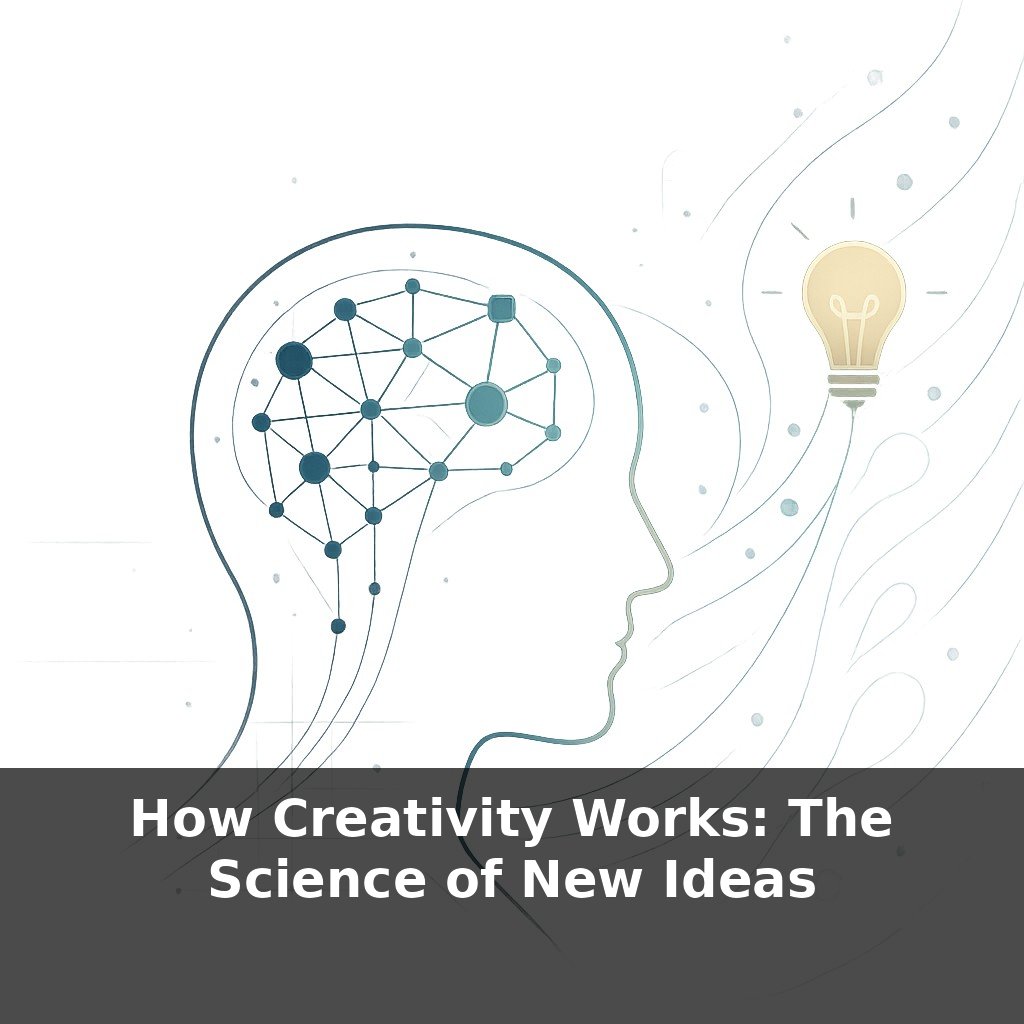
Neuroscience gives you more to work with than “wait for the muse.” Your brain shifts through 90–120‑minute cycles of focus and fatigue, and your mood, heartbeat, and even posture quietly tag along. When you respect those cycles instead of fighting them, creative work starts to feel less like pushing a boulder and more like catching a current.
Your body is already running a quiet choreography that can carry your writing farther than sheer willpower. One part is surprisingly concrete: your heart.
That “sweet spot” of moderate arousal—around 65 % of your maximum heart rate—isn’t just an exercise metric. It often matches the state where you’re keyed‑up enough to care, but not so wired that your thoughts splinter. For many writers, that’s how they feel after a brisk walk, a bike ride that didn’t turn into a race, even climbing a few flights of stairs and settling in before the pulse fully drops.
You can experiment with this. Try starting a key writing session right after 5–10 minutes of light movement. Not a workout, just enough to raise your pulse slightly and wake up your system. Notice if your sentences come out a bit cleaner, your decisions a little easier. You’re not chasing adrenaline; you’re nudging your physiology into that engaged middle ground.
Zoom out from minutes to the shape of your week. Pushing past ~55 hours of “work” time starts to flatten creative output, even for high performers. The trap is that those extra hours feel virtuous while they quietly hollow out tomorrow’s capacity. Instead of adding more time, look at redistributing intensity. Cluster your most demanding writing on days when your baseline energy is higher—often earlier in the week or after a real day off—and protect at least one low‑pressure day where you only touch the work lightly: reading, note‑tweaking, idea capture.
Then there’s the question of how you relate to the work while you’re in it. Psychological safety isn’t just an HR phrase; it’s the difference between “I’m allowed to draft badly” and “every sentence is a referendum on my talent.” The first state keeps you curious; the second slams you into self‑monitoring, which chokes off risk‑taking. Pixar’s Braintrust works because feedback is framed around serving the story, not grading the storyteller.
You can borrow that stance even if you’re writing alone. Separate drafting sessions from evaluation sessions, and when you do review, ask: “What is this piece trying to do, and how can I help it do that more clearly?” That question turns you into a collaborator with the work instead of its judge and jury.
Think of a writing week as a series of “creative rooms” you move through, each with its own rules. In one room, you’re allowed only messy notes and half‑sentences—no deleting, no fixing. In another, you can only cut, tighten, and shape what already exists. A third is just for testing: you read a page aloud, notice where your attention drifts, and jot a small tweak for later.
Many teams formalize these rooms with labels: “explore,” “define,” “ship.” A solo writer can do the same with tiny visible cues. One novelist uses colored index cards on her desk: blue for drafting days, yellow for revision, green for research and restocking her idea pantry. When she sits down, the color tells her what kind of risk is welcome.
You can also borrow from tech sprints. Instead of “work on the book,” you name a narrow experiment: “Draft three openings for the same scene” or “Cut 10 % of this chapter without losing meaning.” The constraint gives you something specific to push against, which often keeps you moving when motivation dips.
The next frontier is treating your day like a living prototype. As wearables quietly log sleep, stress, and micro‑movements, you’ll be able to spot patterns your memory blurs: which projects thrive after social time, which collapse after late screens, which secretly need boredom first. Policy shifts like 4‑day weeks and AI copilots will push you to choose: Will you cram the same strain into fewer hours, or protect white space as rigorously as deadlines—more trail markers than treadmill?
Treat this as ongoing fieldwork: you’re mapping how your ideas actually travel, not how you wish they would. Notice which collaborators, environments, and stakes make you bolder. Swap one tiny variable at a time—time of day, soundtrack, location—and log the results. Over weeks, you’re not chasing sparks; you’re quietly designing your own weather.
Start with this tiny habit: When you close your laptop or notebook at the end of the day, whisper one concrete “next step” for your current project out loud (for example, “Tomorrow I’ll rough in the chorus melody” or “Tomorrow I’ll open the draft and just fix the first paragraph”). Then, jot just three trigger words for that step on a sticky note and stick it where you’ll see it first thing tomorrow. This keeps your creative momentum parked in “ready to roll” instead of “where was I again?”