A democracy at war votes to invade a distant island it barely understands—and nearly destroys itself in the process. In the cramped streets of Athens, plague spreads, tempers rise, and citizens must choose: free debate, or survival at any cost? Today, we walk into that dilemma.
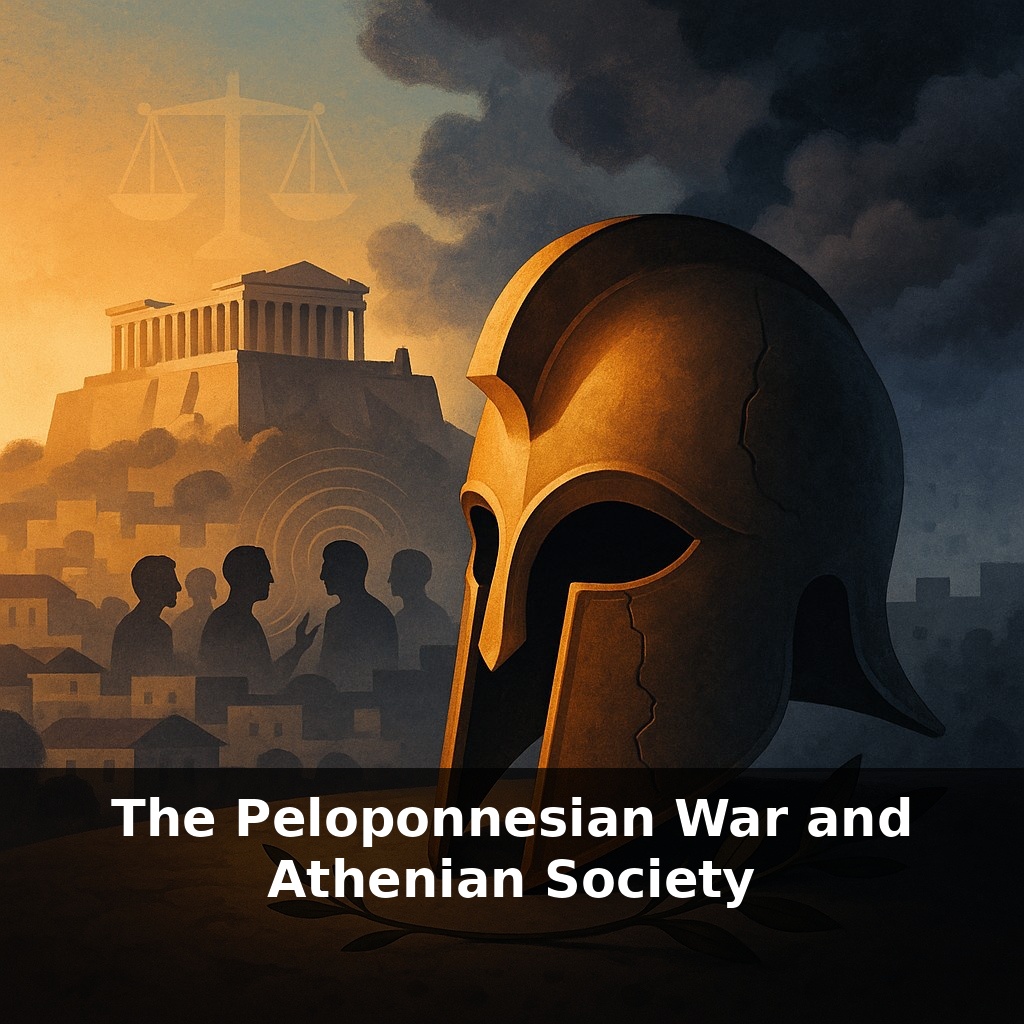
In the shadow of the Acropolis, politics began to feel less like a town meeting and more like a stormy marketplace. Juries of hundreds sifted through accusations, generals were put on trial after battles, and orators learned to read a restless crowd the way a sailor reads shifting winds. The Peloponnesian War didn’t just strain Athens’ resources; it rewired how Athenians trusted each other, their leaders, and even their own judgment. Philosophers such as Socrates started to probe uncomfortable questions: Who should be believed when the loudest voices shout different truths? Artists, too, adjusted their craft—faces in sculpture grew more thoughtful, less triumphant, as if the marble itself were second-guessing old certainties. Under constant pressure, the city became a kind of laboratory where bold experiments in power, money, and identity were tested in real time.
Money, not just courage, began to steer decisions. To keep oarsmen paid and ships supplied, Athens experimented with new revenue streams: taxing trade in the harbor, squeezing allied cities for payments, and rewarding poorer citizens for public service. Public life seeped into every corner—drinking clubs whispered about policy, playwrights mocked officials onstage, and gossip in workshops might ripple up to the assembly. Meanwhile, young men who had grown up knowing only crisis questioned the stories their parents told about a confident, rising city; they were inheriting debts, doubts, and a map of power that kept being redrawn overnight.
In this pressured atmosphere, everyday choices in Athens quietly shifted. Wealthy families who once showed status by funding festivals now poured money into ship maintenance or emergency grain. Poorer rowers, whose pay came from naval campaigns, discovered that their livelihood depended not just on bravery at sea, but on voting for policies that kept fleets active. Citizens learned to read the city’s mood the way farmers read clouds: Would today bring a call for bold action, or a backlash against the last risk taken?
The city’s religious life also bent under strain. Public rituals still honored the gods, but private anxieties leaked through. Oracles were consulted more intensely, omens debated more nervously. A bad eclipse or a failed sacrifice could suddenly tilt an argument about strategy. When fortunes turned, people searched for hidden guilt—had someone offended a deity, cut a corner in a rite, or lied under oath in a way that cursed everyone?
Inside homes, the war rearranged expectations. Young men might spend years away at sea, returning with stories of distant islands and brutal sieges that older relatives struggled to recognize as the same “glorious” conflict they had once cheered. Women managing households in their absence handled loans, rations, and negotiations with neighbors, gaining practical authority even if public honors still passed them by. Slaves, too, saw openings and dangers: some were offered freedom for military service; others risked harsher control from frightened masters.
The city’s intellectuals did not stand apart from this turbulence. Sophists sold lessons in argument to ambitious youths who wanted to survive in an environment where a single speech could swing a trial or a vote. Socrates, walking barefoot through workshops and marketplaces, pressed people to justify their certainties about justice, courage, and loyalty at precisely the moment those words were under maximum tension.
Artworks quietly recorded these pressures. Vase painters slipped scenes of farewell, exhaustion, and quiet grief between the more traditional myths. Public statues presented leaders less as flawless heroes and more as individuals with visible strain in their posture or gaze. Like a piece of music shifting from a bright major key into something more complex and dissonant, Athenian culture kept its brilliance but folded in unease, doubt, and second thoughts.
In courtrooms, a single well-timed citation of a law could outweigh a stirring appeal to honor. Think about how litigants started hiring logographers—specialists who crafted custom speeches the way a tailor cut elite cloaks. A nervous citizen might bring them a messy dispute over a damaged cargo, and leave with a polished script full of legal precedents and psychological feints aimed at swaying hundreds of jurors. On the docks, pay records for rowers became instruments of influence: a treasurer could delay stipends and suddenly gain leverage over restless crews. In council chambers, politicians quietly tested procedural tricks—rerouting proposals through smaller committees, or scheduling crucial votes when opponents were away with the fleet. Even religious festivals took on a sharper edge. A playwright, under cover of comedy, might stage a character whose selfish deal-making felt uncomfortably similar to a leading official’s behavior, letting the audience laugh and judge at the same time, without naming any names.
Athens’ long emergency hints at how our own systems might bend under stacked crises. When pressure rose, informal habits mattered as much as written rules—who shared grain, who spread rumors, who listened instead of shouting. Today, think of data flows like shifting winds: false reports can push leaders toward reckless “Sicilian” choices, while slow, honest updates act like ballast in a storm, keeping decisions closer to reality even when fear and fatigue peak.
Athens emerged altered, like metal tempered by too much heat: stronger in some alloys, brittle in others. Later thinkers mined its failures as cautionary maps, not relics. This week, use a news aggregator to track how a single news story evolves over seven days. Note changes in tone, focus, and detail as different outlets cover it. Relate these shifts to historical examples from Athens, where news influenced public action and sentiment during crises.