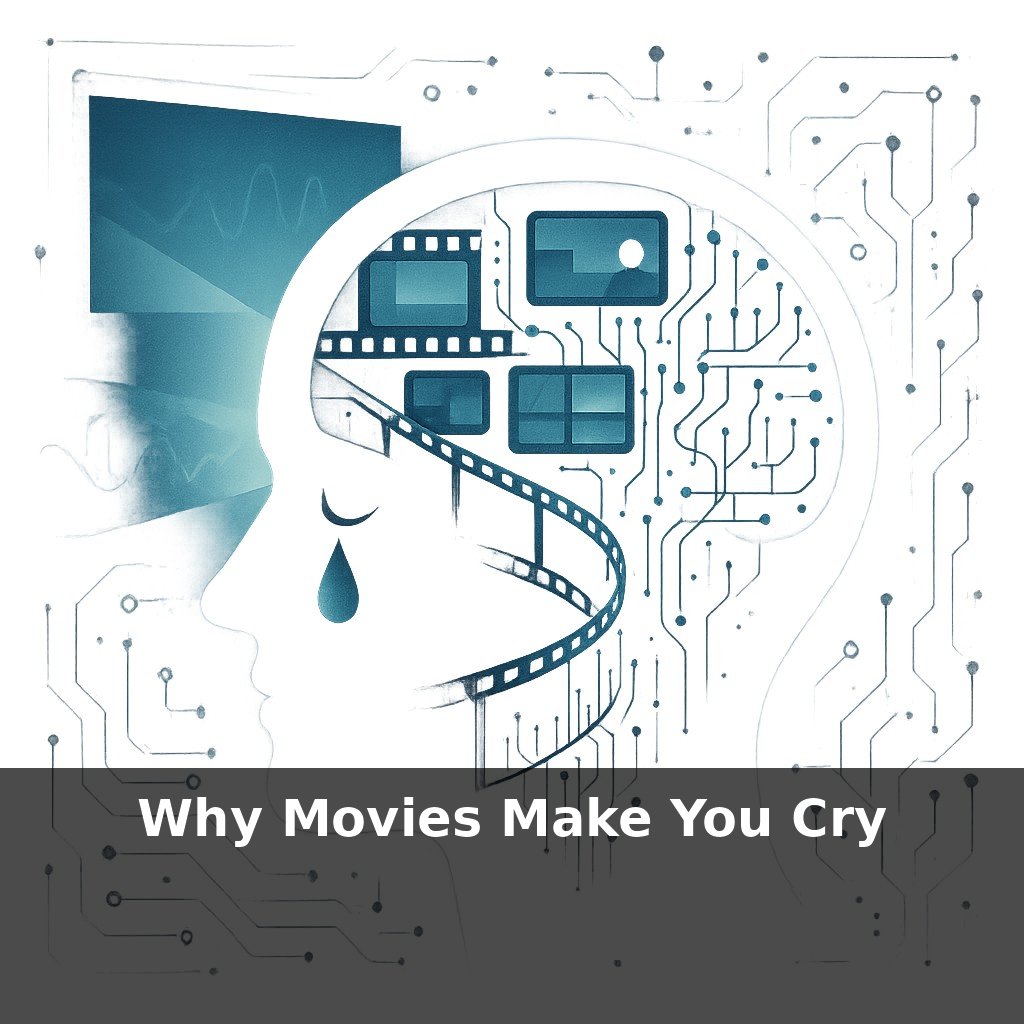
Halfway through a movie, your heart races when the hero panics, even though you’re safe on your couch. No explosion, no jump scare—just a close-up on their face. How does a small rectangle of flickering light hack your emotions so precisely, and why does it stay with you for days?
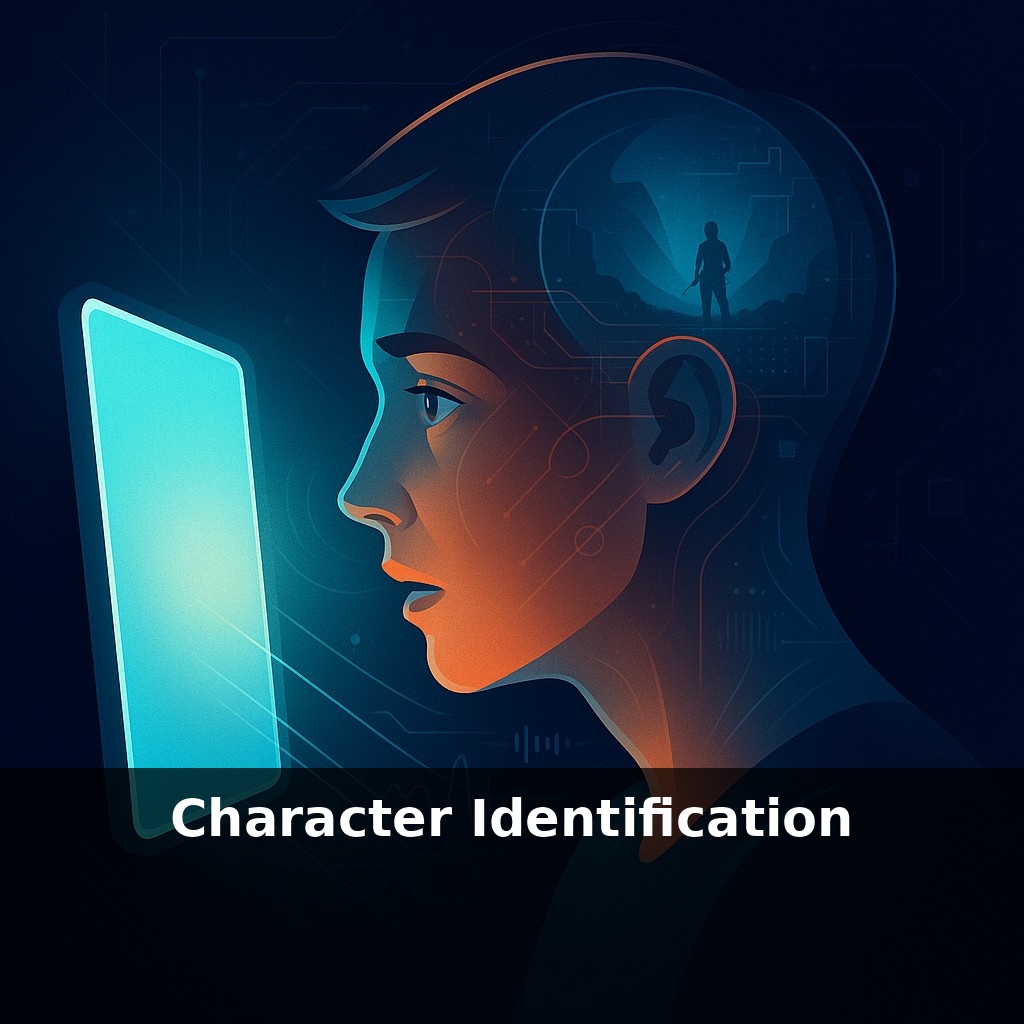
A strange thing happens when you “lose yourself” in a character: for a while, your own priorities quietly move to the back row. You may walk into the theater worried about emails and errands, but if the film is doing its job, those concerns fade as your mind starts running a different script: theirs. This goes beyond liking a character or rooting for them. Identification is when your internal “if I were them…” simulator switches on so fully that their choices feel briefly entangled with your own. Filmmakers engineer this shift with dozens of tiny decisions—where the camera stands, how long a shot lingers, which details of a backstory leak out and when. In this series, we’ll dissect those choices not as film trivia, but as small pieces of technology aimed at one target: your sense of self, and how easily it can be persuaded to wear someone else’s name tag.
To study this, researchers treat movies almost like lab equipment. They track where your eyes land on the screen, measure tiny shifts in skin conductance, and test what you remember days later. In one Media Psychology study, the stronger people reported “being” the hero, the more their real-world choices quietly tilted in that direction a week on. Studios have noticed too. Pixar will reshuffle entire sequences so a character’s “want” clicks sooner; Netflix combs through data to see exactly when you either lean in or mentally check out, then tweaks trailers and thumbnails to front-load that connection.
A useful way to see what’s happening under the hood is to separate *who* you’re aligned with from *how tightly* you’re fused with them. Identification isn’t just “main character = me”; it’s a shifting zoom level between your mind and theirs.
Writers start that process on the page with two levers: uncertainty and unfinished business. Uncertainty keeps you scanning the character’s choices (“Will she tell the truth in this scene?”), while unfinished business plants open loops in your head (the unsent email, the unspoken apology, the job not quite secured). Each open loop hooks a bit of your own predictive machinery; your brain starts quietly rehearsing completions before the film delivers them. When the resolution finally lands, it feels oddly personal, even if you’ve never been a space pilot or a Victorian governess.
Directors and editors then modulate *access* to a character’s inner life. Sometimes they give you premium access—lingering on a microexpression, letting a line of dialogue trail off into a telling silence. Other times they slam the door, cutting away at the very moment a reaction would clarify everything. That push-pull rhythm—inviting you in, then making you work—keeps you co-authoring the character’s inner story instead of passively receiving it.
Performance functions as the translation layer. Actors break down scenes into tiny, playable verbs: *hide*, *test*, *seduce*, *deflect*. You’re not aware of that vocabulary, but your brain is exquisitely tuned to those action shifts. When a character’s tactic changes mid-scene, you instinctively update your model of who they are and what they’re after. The result is a living, revisable “profile” in your head, not a static label.
Sound design quietly knits this all together. Subtle choices—letting a crowd murmur wash out when anxiety spikes, isolating the scrape of a chair when tension rises—function like underlines on specific thoughts. You’re guided toward the interior beats the film wants you to absorb, without a single word of exposition.
Think about how differently you “become” different leads. In a tightly framed drama like *Marriage Story*, you may find yourself toggling loyalties scene by scene, almost like your mind is running two user accounts at once and keeps logging in as the person who’s currently most exposed. In a heist film like *Ocean’s Eleven*, identification feels more like joining a team: you’re less inside one head than enlisted into a group mission, tracking the plan as if your own reputation were on the line.
Genre shifts the kind of self you lend out. Horror often borrows your threat-detection system—every creak routes through your own sense of danger. Comedies, especially cringe-based ones, lean on your social self, the part that flinches at embarrassment and status loss. Even structurally tricky films like *Memento* or *Eternal Sunshine* play with when you’re allowed to sync up, delaying that click so that the eventual alignment lands as a reveal rather than a given.
Studios are already treating identification as data, not magic. Some test screenings now track heart rate and eye focus, then tweak scenes where attention dips. As VR and interactive films mature, you may “steer” a character’s path the way you adjust a playlist—except those choices could, over time, reshape your comfort with risk, conflict, or care. Regulators might one day ask not just *what* a film shows, but *how deeply* it’s allowed to plug into you, and for how long.
As this “self-lending” tech gets sharper, it stops being just entertainment and starts looking closer to a training ground. Today it’s a two‑hour film; tomorrow it could be a personalized feed that learns which stories bend you most. The open question isn’t whether movies change you—it’s who gets to tune the dial, and to what end.
Before next week, ask yourself: “In the last few days, which character have I been *playing* most often (e.g., ‘the over-responsible fixer,’ ‘the people-pleaser,’ ‘the invisible one’) and in what specific situations did that character show up?” Then ask: “If I paused in one of those moments and stepped out of that character, what would I actually think, feel, or say as my real self instead?” Finally, ask: “What’s one upcoming situation this week where I usually slip into that old character, and how do I want to experiment with showing up 5% more as *me* rather than the role I’ve unconsciously cast myself in?”