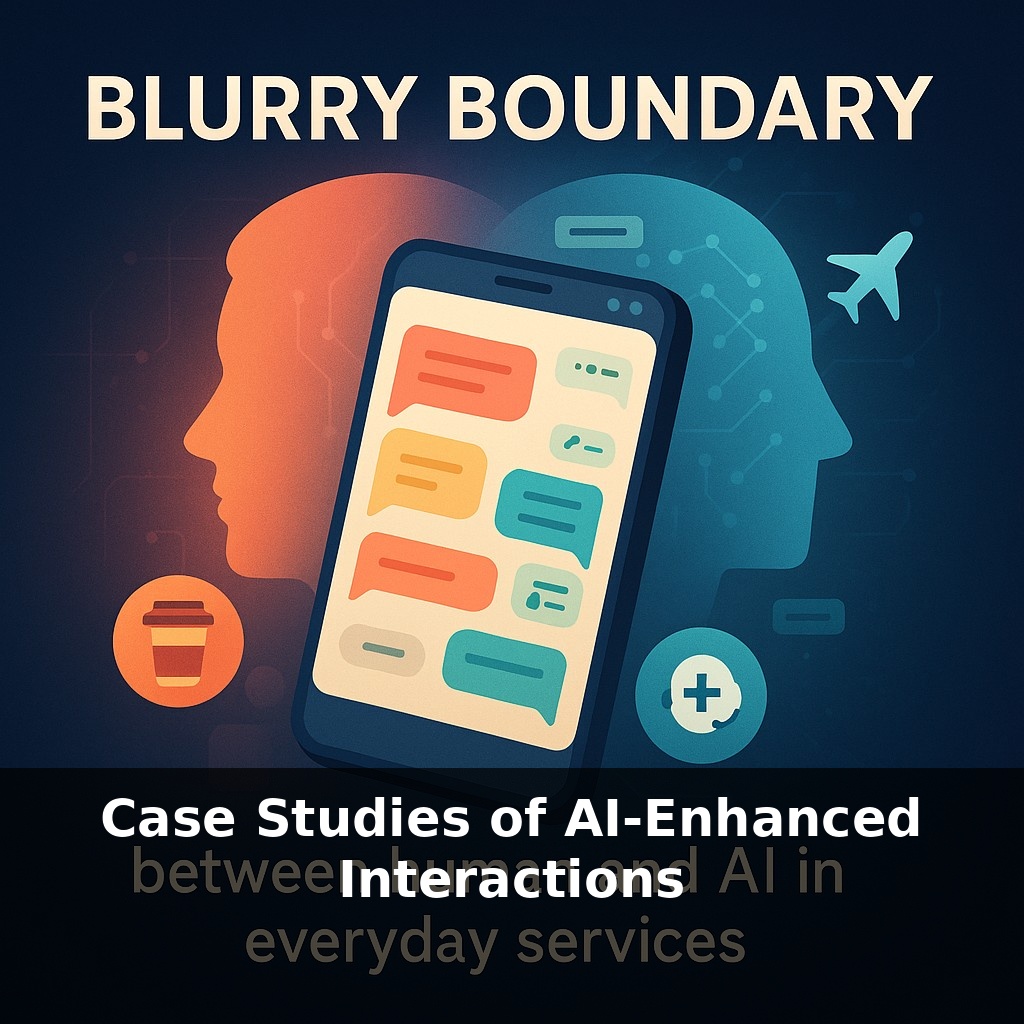
Starbucks quietly lets an algorithm help decide nearly half of what customers order on its app. A nurse in Minnesota chats with a bot before calling patients. A traveler messages an airline and isn’t sure: was that a human, or not? Today’s story lives in those blurry, powerful in‑between moments.
Forty percent of Starbucks in‑app orders now flow through its Deep Brew system. At Mayo Clinic, an AI triage tool quietly shaves fifteen minutes off nurse response times. KLM’s BlueBot fields hundreds of thousands of questions with satisfaction scores many human teams would envy. These aren’t science‑fiction glimpses; they’re production systems, tuned and retuned in the messy reality of busy cafés, clinics, and airports.
What ties these wins together isn’t just clever code—it’s disciplined collaboration. High‑quality interaction histories, clear rules for when a person steps in, and a habit of learning from every chat, click, and correction. Think of it less as replacing staff and more as redesigning the “front desk” so that routine requests glide through, and the tricky, emotional, or high‑stakes moments get more human attention, not less.
In each of these cases, the “AI upgrade” didn’t start with fancy models; it started with very ordinary pain points. Baristas drowning in custom drink tweaks, nurses buried in voicemails, agents copy‑pasting the same flight answers all day. The pattern is less about chasing novelty and more about rerouting repetitive, low‑judgment tasks so people can spend their limited attention on the edge cases: the anxious patient, the once‑a‑year traveler, the frustrated regular. The interesting question is not “Can AI do this?” but “What changes when we let it?”
Call centers, clinics, and coffee apps all learned the same lesson the hard way: the first version of “AI help” is usually mediocre. The difference in these success stories is what happened next. Instead of declaring victory—or failure—teams treated every misfire as training material.
In retail, that means going beyond “customers who bought X also bought Y.” The most advanced systems now watch sequences: time of day, weather, local events, even how long someone hesitates before tapping. It’s not just “what did you order?” but “what did you almost order and then abandon?” Those tiny frictions become design clues for both the model and the menu.
Healthcare teams push this further. A triage assistant isn’t judged only on speed, but on safety and emotional tone. Nurses systematically review a sample of conversations, tag subtle issues—missed urgency, confusing wording, culturally awkward phrasing—and those tags shape the next training round. Over months, the model doesn’t just get “more accurate”; it gets more clinically aligned and less likely to over‑confidently guess in gray areas.
Airlines, under pressure from surges in demand, learned to instrument their systems like engineers monitor a high‑traffic website. They track escalation patterns: which question types jump to humans, which phrasing confuses the model, which answers correlate with follow‑up complaints. When a spike appears—say, a new visa rule or weather disruption—they can add targeted flows or constraints within hours, not weeks.
Across these domains, three practices show up repeatedly:
First, teams treat interaction logs as a living laboratory, not a static archive. Product managers, domain experts, and data scientists sit together with real examples, arguing over edge cases and success criteria.
Second, governance evolves with scale. Early pilots rely on informal norms (“Ask a supervisor if you’re unsure”). Mature deployments move to checklists, audit trails, and explicit red lines the system must not cross.
Third, retraining becomes routine. Instead of massive, rare upgrades, many organizations now run small, continuous updates—tuning niche behaviors without disturbing what already works.
The result isn’t magic; it’s a gradual but compounding shift. Each week, a few more routine questions vanish from human queues, and a little more human attention is freed for the conversations that actually change outcomes.
When these systems work well, the experience often feels less like “talking to a machine” and more like walking into a space that already understands its own traffic patterns. Think of a busy train station where the signage, lighting, and flow of stairs have been tuned over years of watching where people actually walk, pause, and collide. Retail teams do something similar when they spot that customers often ask for a tweak that isn’t on the menu yet; that pattern can trigger a new product, not just a better recommendation.
Healthcare groups extend this by adding subtle triage layers: a reassuring follow‑up message after a complex interaction, or a prompt that nudges a clinician to review borderline cases more often during flu season. Airlines borrow tricks from operations research—simulating “what if” storms of questions before a real disruption hits, then pre‑loading better answers. Across all three, the frontier isn’t just faster replies; it’s designing services that quietly reshape themselves around how people actually move, hesitate, and decide.
By the time voice, video, and emotion signals are folded into these systems, the “front desk” could start to feel more like a long‑term guide than a one‑off helper—quietly spotting when you’re stressed, tired, or rushing. That raises new stakes: who decides which cues matter, how they’re stored, when they’re forgotten? Your coffee app, clinic portal, and airline chat may soon need something like an urban zoning plan for data: clear districts for what’s allowed, what’s protected, and what must never be built.
As these systems spread, the real artistry may lie in choosing where *not* to use them. Much like city planners deciding which streets stay quiet, teams will need to reserve “human‑only lanes” for moments of vulnerability, delight, or dissent—spaces where slowness, inconsistency, and genuine surprise are not bugs in the service, but the point of it.
Here’s your challenge this week: Pick one recurring interaction in your work (like weekly client emails, stakeholder updates, or customer support replies) and run it as a “mini case study” using AI. First, take three recent real messages from that interaction and feed them into your AI tool, asking it to: (1) rewrite them for clarity and tone, (2) suggest one personalization tweak per message, and (3) propose a short template you can reuse. Then, over the next three days, actually send at least three AI-enhanced versions and compare responses (opens, replies, or sentiment) to your usual baseline, noting at least one change you’ll keep using going forward.