Right now, as you’re listening, your breathing is shaping your mood more than the last text you got. One Stanford study found that just a few minutes of a specific breathing pattern eased anxiety more than classic mindfulness. But here’s the twist: most of us never notice a single breath.
Philosophically, this is strange: something as automatic as inhaling and exhaling can be *unconscious background noise* or a *conscious doorway* into how you experience the world. Buddhist mindfulness leans hard on that second option. It treats the body—not abstract ideas—as the first laboratory for understanding the mind. When you tune into breath and bodily sensations, you’re not just “calming down”; you’re gathering data about cause and effect: tension rises, breath shortens; attention wanders, posture collapses; awareness returns, shoulders drop. Over time, this repeated close-up look shows you that moods, urges, and worries have signatures in the body that arise, peak, and pass. Instead of arguing with your thoughts, you learn to feel their echoes in your chest, gut, jaw—and watch them shift. Buddhist practice calls this insight, but it begins in something very ordinary: noticing what it’s like to live inside your own skin.
In early Buddhist texts, this kind of close attention to the body isn’t a wellness hack; it’s step one in a radical experiment: can you know your life directly, without being entirely run by habit and narrative? Modern science quietly agrees the body is a live data stream. Lab studies now track how tiny shifts in heart rhythm, muscle tone, and gut tension map onto shifts in attention and decision-making. Monastics used caves and forests as their “labs”; you have commute traffic, inbox surges, and late-night scrolling. Each is a built-in trial where you can observe how your system actually behaves under pressure.
In that experiment, the next move is surprisingly concrete: treat your nervous system as something you can *tune* instead of endure. Early Buddhist manuals give very specific instructions: know when the body is at ease or on edge, notice the shift, and gently nudge it toward balance. Modern labs now chart those nudges in numbers: slower heart rhythms, steadier attention, lower stress hormones.
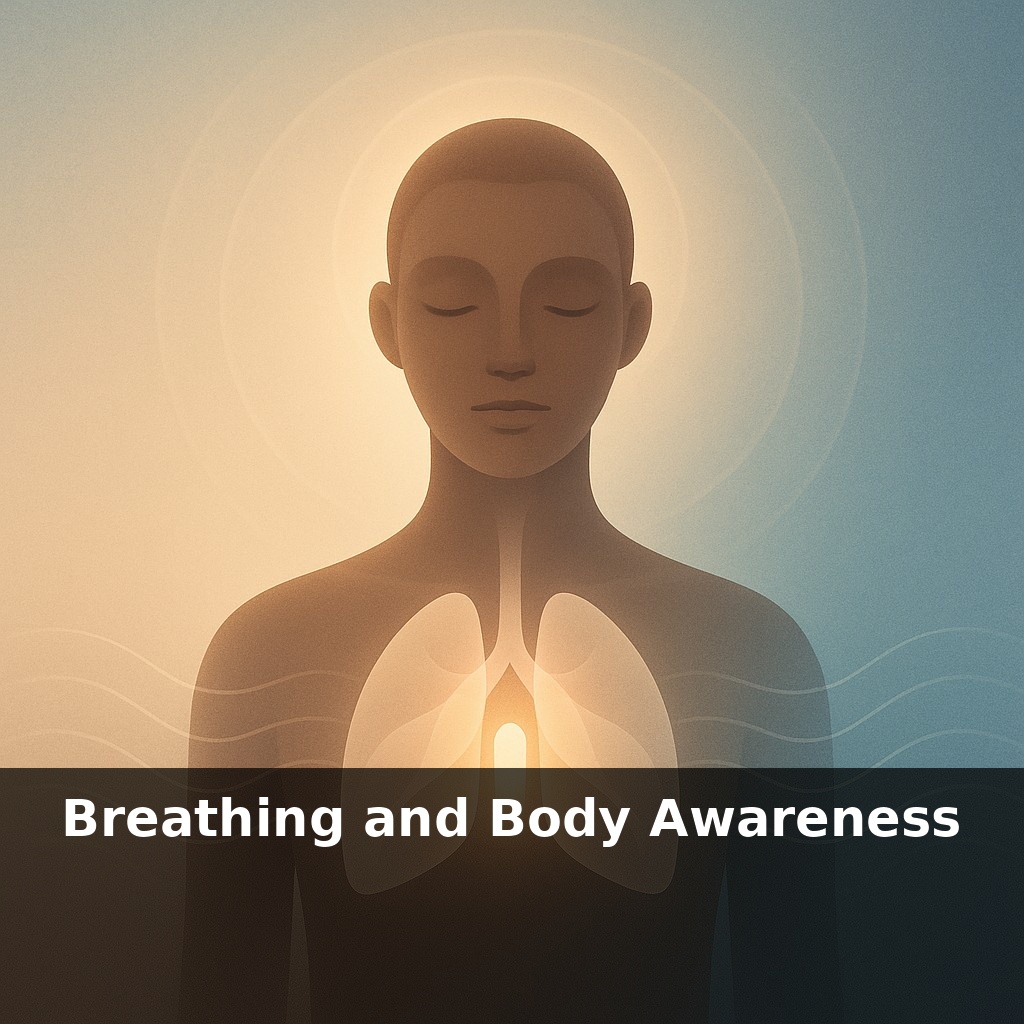
One key piece is pace. Studies on slow, deliberate breathing show that when you bring the rate down to roughly 5–7 breaths per minute, the “rest-and-digest” branch of your nervous system reliably comes online. Heart rate variability—the tiny beat‑to‑beat changes linked to flexibility under stress—ticks upward. This isn’t about gulping air; in fact, the breath is often softer and smaller than usual, with a slightly longer exhale. The deliberate pacing acts like a signal to your physiology that the emergency is over, even if your inbox disagrees.
Another piece is where you place attention. Buddhist traditions emphasize interoception: the felt sense of pulse, warmth, tightness, fluttering, heaviness. Clinical research now ties sharper interoception to better emotional regulation and decision-making. When you can detect the first 2% of a stress spike—a faint jaw clench, a subtle shallow shift—you have options before the reaction runs the show. Miss that window, and you’re arguing in circles or doom‑scrolling before you realize what happened.
This is where historical practice and current data converge. Pranayama systems mapped dozens of patterns; modern trials test a few of them and quantify the effects: small daily doses reduce cortisol, lift mood, and sharpen focus. None of this requires special beliefs. It asks for repetition: short, frequent sessions where you notice how adjusting rhythm and attention changes your baseline.
Think of it less as a relaxation trick and more as skills training. You’re learning to recognize early warning lights in your chest, gut, and spine, and to apply tiny physical inputs that shift the whole system’s trajectory over the next minutes and hours. Over time, that shift stops being theoretical. It shows up as fewer overreactions, quicker recovery from setbacks, and a clearer sense that your inner climate is something you can work with, not just ride out.
Think of this like debugging live software: you’re watching for tiny glitches in real time, not reading about code in a textbook. You’re in a meeting; someone talks over you. Before the story “they never respect me” boots up, notice the micro‑freeze in your diaphragm, the faint numbness in your hands. That’s a breakpoint. Instead of letting the old script run, you insert a new line of code: a few slower cycles, attention anchored in the ribcage or the soles of the feet. You still care about what’s happening, but you’re now responding from a slightly cleaner signal, not a full system crash.
Monastics tested this in solitude; you test it in email threads, performance reviews, or family group chats. The experiment isn’t to become unbothered; it’s to see, over dozens of such “breakpoints,” how the interval between trigger and spin‑out can be stretched. That growing interval is where philosophy stops being theory and starts to feel like a usable tool.
If this kind of nervous‑system training goes mainstream, our environments may start to assume a baseline of self‑regulation. Offices could offer “physiology breaks” the way they now schedule status meetings, and performance reviews might track recovery time after setbacks alongside output metrics. In philosophy classrooms, arguments about freedom and responsibility could include lab‑style labs on how quickly you can de‑escalate from anger—treating composure as a shared civic skill, not a private virtue.
Conclusion: Treat this as ongoing fieldwork. You’re not chasing a permanent calm but mapping how posture, context, and tiny habits—like pausing between tabs or before replying—reshape your mental landscape. Over weeks, you may notice priorities reordering themselves, as if a cluttered desk slowly cleared space for the few tools you truly need.
Start with this tiny habit: When you notice yourself checking your phone, pause for just one slow breath and feel your feet pressing into the floor. Let your exhale be slightly longer than your inhale, like a quiet sigh. While you breathe, gently scan just your shoulders and jaw, and soften them by 5%. Then go right back to whatever you were doing, no extra time needed.