 2min preview
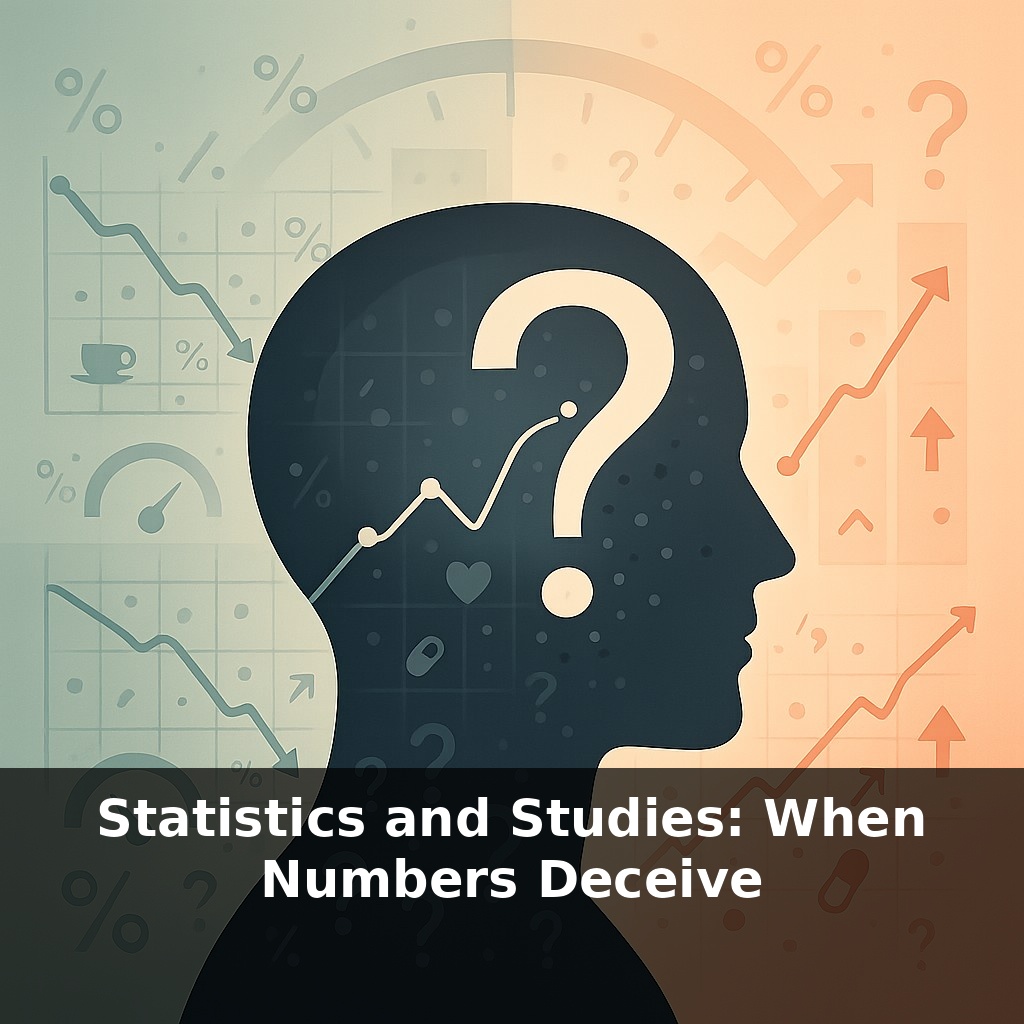
Statistics and Studies: When Numbers Deceive
📝 Transcript
About half of the “breakthrough” health findings you hear about never hold up when scientists try them again. A headline says a coffee a day cuts your risk “by 50%.” Another says it doubles it. They can’t both be right—so what, exactly, is hiding inside those numbers?
About 36% of Americans can correctly interpret a p-value—which means most people (and many headline writers) are steering through research with a blurry dashboard. That matters, because shaky statistics don’t just live in journals; they shape drug approvals, public policy, and the advice your doctor gives you.
The trouble often starts long before the math: skewed samples, quiet exclusions, and subtle design choices can tilt results before a single calculation is run. Then comes the analysis—where choices about which outcomes to highlight, which to drop, and when to stop collecting data can turn weak patterns into “significant” findings.
Subscribe to read the full transcript and listen to this episode
Subscribe to unlockSubscribe for $1.99/month to unlock the full episode.
From this course
Critical Thinking: Evaluate Claims Like a Pro
7 episodesUnlock all episodes
Full access to 7 episodes and everything on OwlUp.
Subscribe — $1.99/monthLess than a coffee ☕ · Cancel anytime