A cheap roadside bomb once forced the world’s most advanced military to rewrite its entire playbook. In this episode, we step into those hidden moments—where the weaker side quietly chooses the place, the timing, and the rules—and ask: who really holds the advantage?
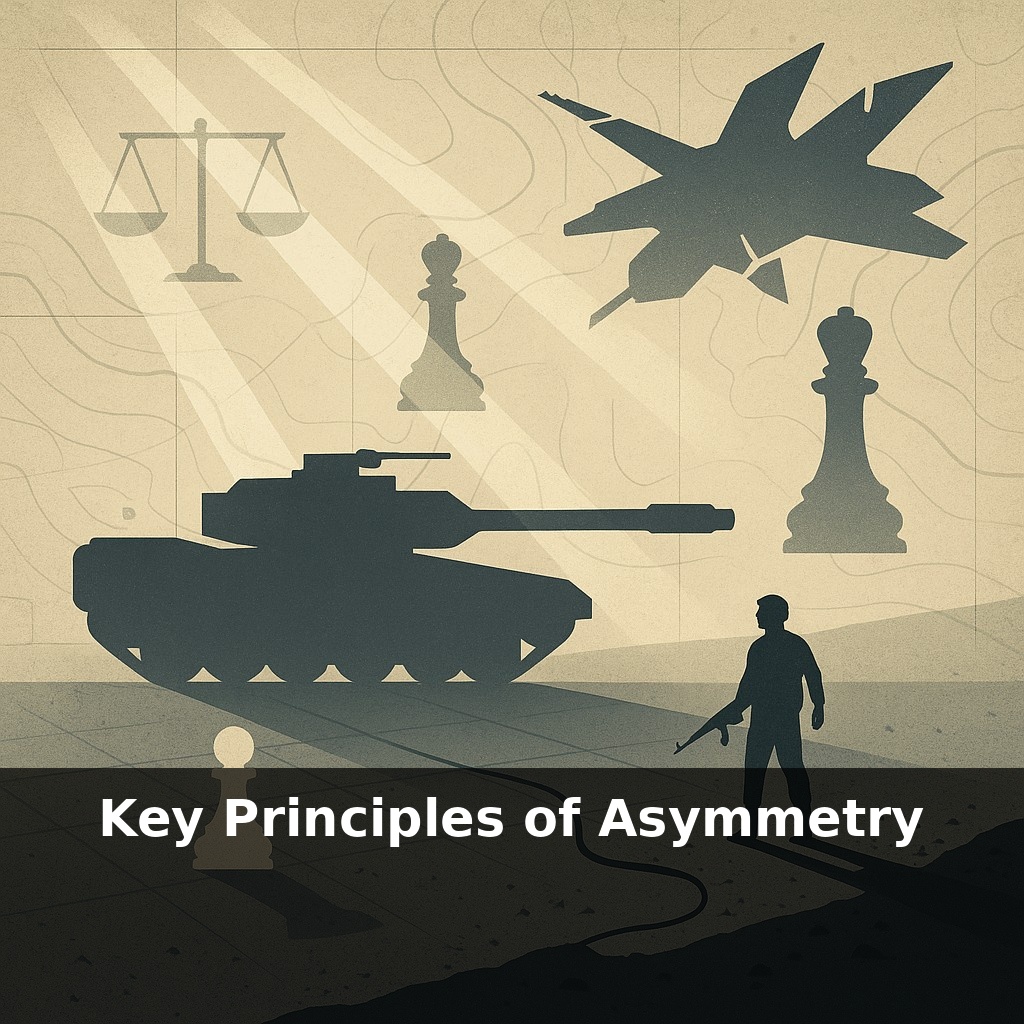
Power in war isn’t just about budgets, brigades, or how many jets you can put in the sky; it’s about who gets to decide which of those things actually matter. Asymmetric warfare starts from a blunt reality: one side is “outgunned” on paper—and quietly arranges the fight so that paper no longer counts.
From Iraq’s alleyways to southern Lebanon’s hillsides and Ukraine’s drone operations, a pattern emerges: the weaker actor keeps asking a ruthless question—*What can the stronger side never do cheaply, quickly, or quietly?* Then they design the conflict around that pressure point.
In this episode, we’ll unpack the key principles that make this possible: how timing, terrain, narrative, and cost all become deliberate weapons, and how turning a fight into a prolonged, grinding contest of *economics and perception* can matter more than winning any single battle.
To see these principles clearly, zoom in on the *choices* the weaker side makes before a shot is ever fired. They study how the stronger power actually moves: where convoys bunch up, when patrols grow predictable, how media cycles spike and fade. Every routine becomes a potential fault line. Instead of chasing glory in decisive battles, they hunt for friction—moments where a minor disruption ripples outward like a stone dropped in a crowded harbor. The real battlefield becomes a map of vulnerabilities: logistics routes, public patience, political timelines, alliance cohesion, and even the enemy’s own doctrines.
At the core of asymmetry is a quiet act of editing: stripping the fight down to only those elements the weaker side can reliably influence, and refusing to play on any other terms.
One key principle is **targeted irrelevance**. Instead of trying to match armor with armor or jets with jets, they ask: *Which of the enemy’s strengths can I make useless?* Sometimes that’s physical—forcing heavy vehicles into narrow streets or broken ground. Sometimes it’s procedural—exploiting slow decision cycles with fast, deniable attacks. Sometimes it’s legal—operating just below thresholds that would trigger overwhelming retaliation. The aim isn’t to destroy the enemy’s power, but to sideline it.
Next is **selective visibility**. These actors flicker in and out of view—openly claiming some actions for propaganda value while obscuring others to avoid punishment. They may fight in distributed micro-units, avoid fixed headquarters, and rely on civilian networks instead of formal logistics. The enemy sees fragments, never the full picture, and must guard against everything, everywhere.
Third is **cumulative pressure**. Instead of seeking a single decisive clash, they build a series of small, compounding effects: delaying convoys, harassing outposts, probing air defenses, draining budgets through cheap threats that demand expensive countermeasures. Over time, this erodes not just manpower and materiel but political will and alliance confidence.
Then comes **doctrine jamming**. Large militaries depend on standard operating procedures and planning assumptions. Asymmetric forces study those patterns and design operations that repeatedly force exceptions—night movements in bad weather, attacks during religious holidays, strikes that blur civilian/combatant lines. Each exception generates confusion, legal risk, and delay.
Finally, there is **adaptive experimentation**. Because they cannot afford stagnation, these groups run constant live-fire “tests”: tweaking bomb triggers, drone routes, communication methods, even messaging styles, then rapidly copying what works. Over months, this turns scattered improvisations into a coherent, resilient method of war—less like a rigid machine, more like a fast-growing vine that finds and exploits every crack in a wall.
Watch how these principles surface in very different conflicts. In Lebanon, Hezbollah didn’t try to stop Israeli jets; it seeded hills and towns with small rocket launchers, each one trivial alone but disruptive in aggregate. Firing patterns shifted constantly, forcing Israel to spend vast sums on interception, shelters, and emergency response—cumulative pressure expressed as budgetary bleed.
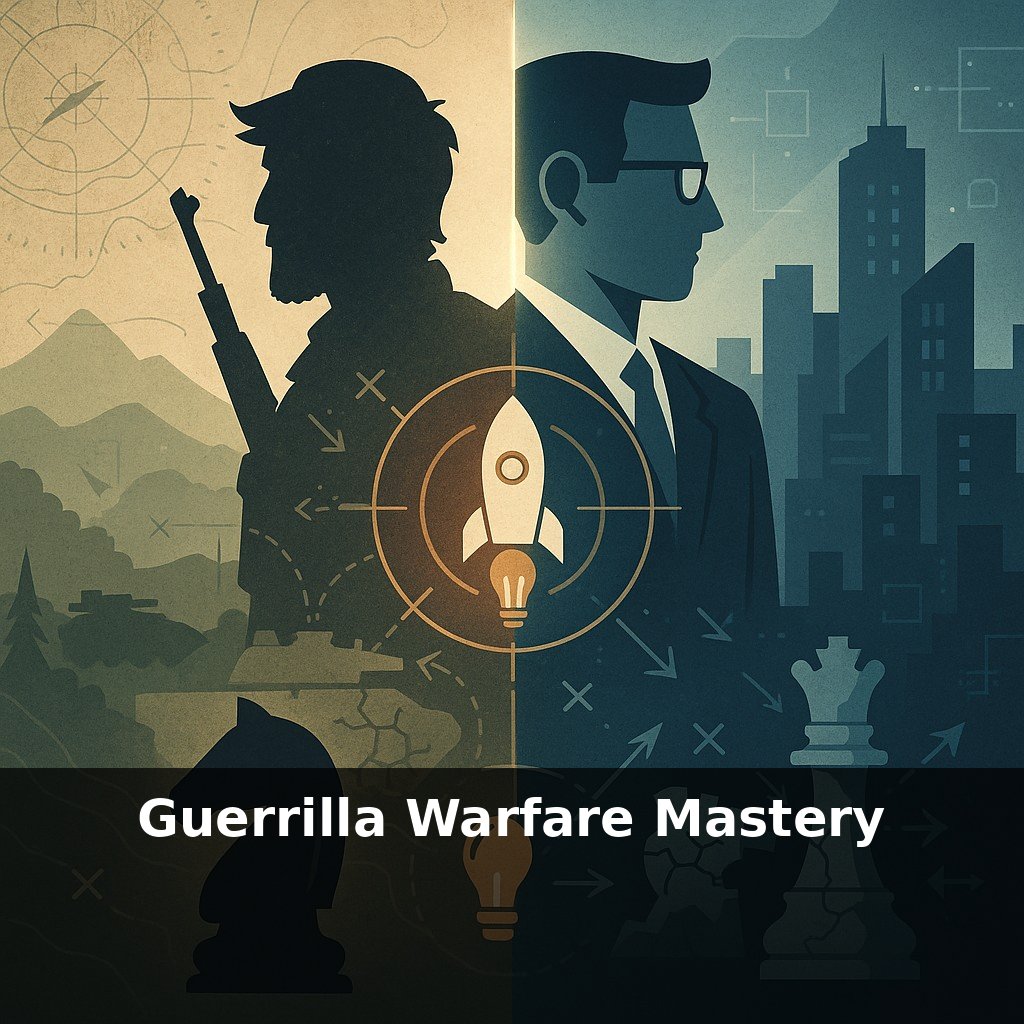
In Afghanistan, small units studied patrol habits the way a chess player studies openings. They noted which valleys drew repeated visits, which days brought resupply flights, which routes air assets favored. Attacks then focused not on defeating units outright, but on nudging foreign forces into ever more restrictive rules and protective gear, slowing every movement.
Ukraine’s use of off‑the‑shelf quadcopters shows adaptive experimentation in real time. Teams modified consumer drones with improvised munitions, learned which altitudes evaded radar, then shared lessons via encrypted chats. Within months, what began as scattered hacks matured into a rough, evolving playbook—iterated nightly over the front lines.
As sensors shrink and AI spreads, the “edit the battlefield” mindset will spill into every domain. A handful of coders might freeze a port’s cranes; a cheap swarm could stalk a billion‑dollar ship like persistent bad weather, never lethal alone but always closing options. Expect campaigns that feel less like set‑piece battles and more like being slowly boxed in: routes rerouted, habits exposed, trusted data turned suspect, until the safest move is to stop moving at all.
So the real question isn’t “who’s bigger?” but “who can keep reshaping the contest?” Think of future conflicts less as storms that pass and more as climates that slowly shift—data poisoned here, trade routes subtly squeezed there. Your challenge this week: notice one arena in your own life where a small, clever move quietly sets the terms for everyone else.