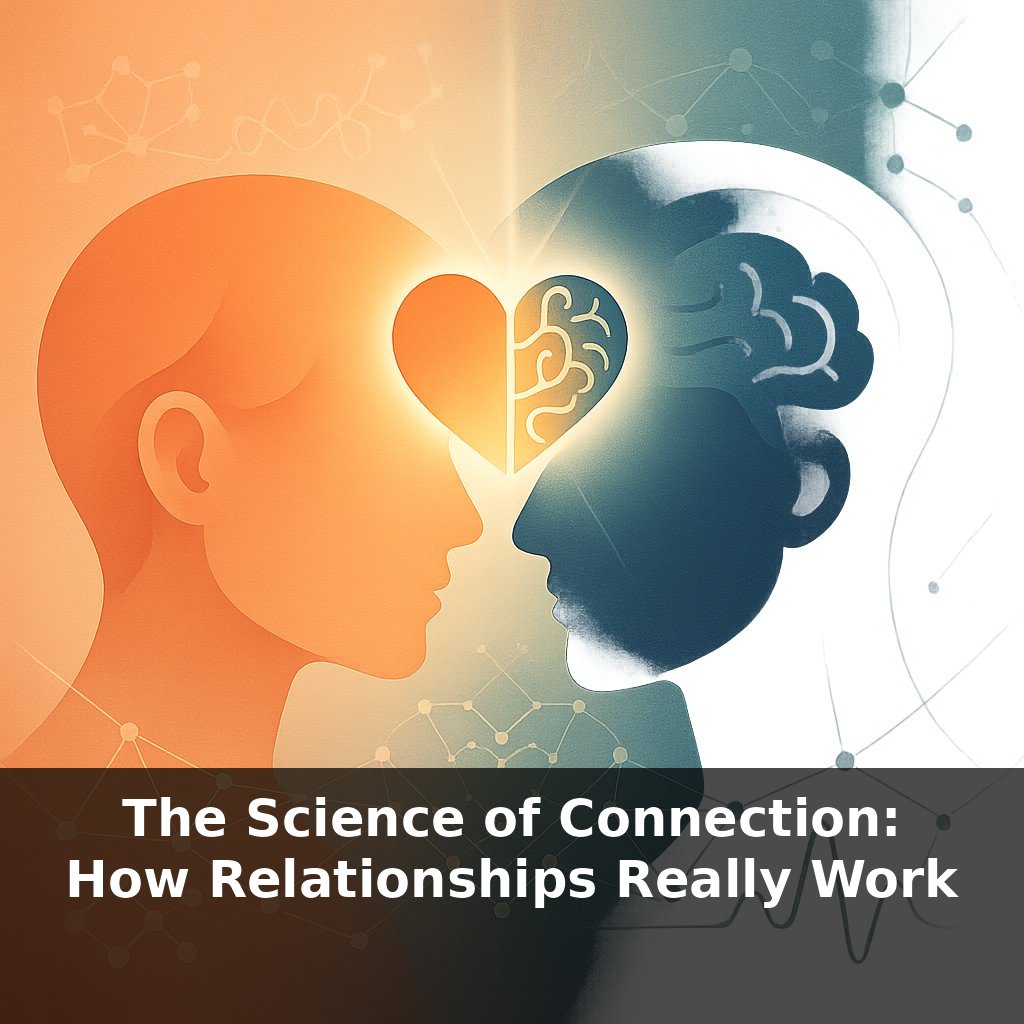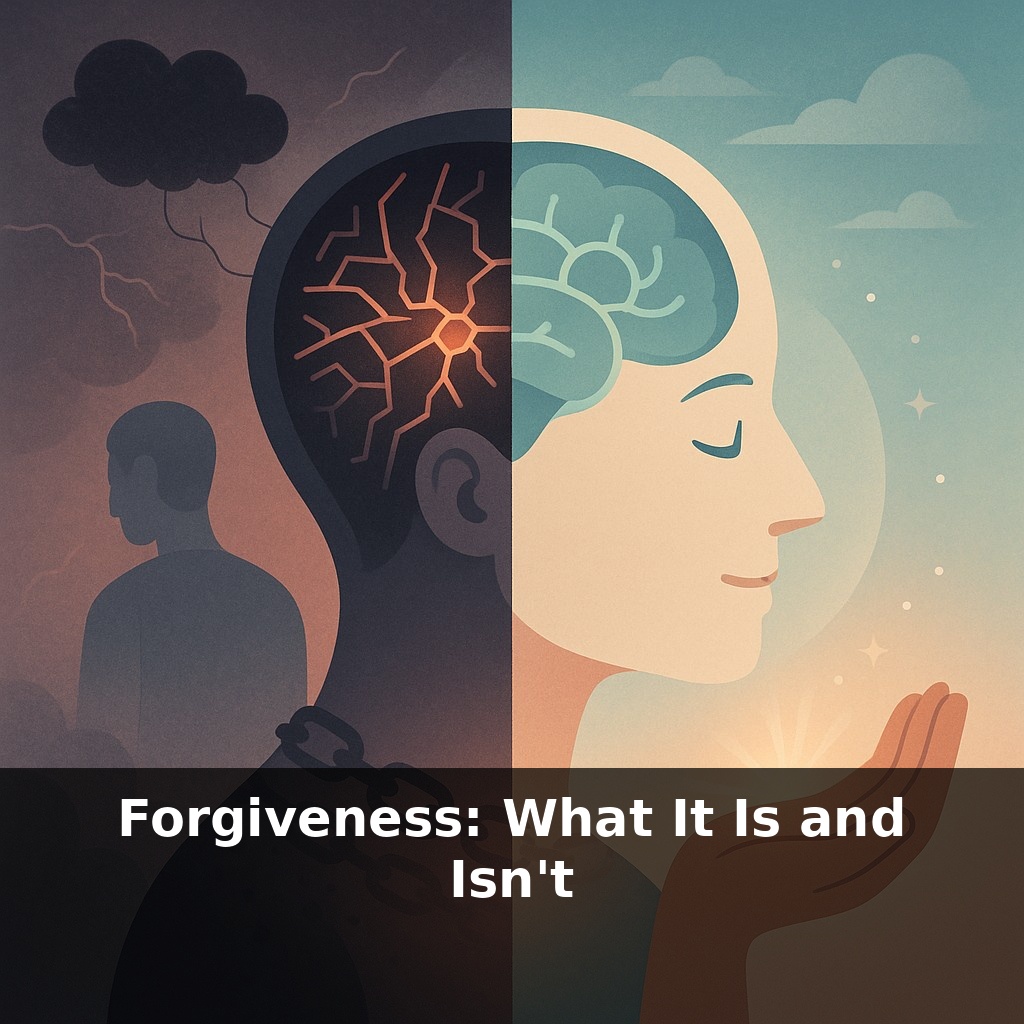
A brain scan study found your threat center calms down when you forgive someone—even if they never apologize. In one moment you’re replaying the hurt; in the next, you’re choosing not to feed it. That quiet, invisible decision can change your body, your relationships, and your future.
Neuroscientists can now watch, in real time, what happens when you *don’t* let go: circuits linked to rumination and threat stay lit up, even when the original harm is long past. Meanwhile, long-term studies on adults followed for decades suggest something quieter but just as powerful—those who gradually learn to release old grudges tend to report more satisfying marriages, closer friendships, and less loneliness in later life. This doesn’t mean the hurts were smaller. Often, they were not. It means something about how those people related to their own pain changed. In therapy rooms, support groups, and even PTSD programs for veterans, structured forgiveness exercises are being used not to “make peace with” injustice, but to lessen its ongoing grip. As searches for forgiveness practices rise, we’re being invited to reconsider what it truly asks of us—and what it might return.
Yet many people quietly resist, and with good reason: they worry forgiving means saying “it was fine” when it absolutely wasn’t. Others fear that if they stop feeling angry, they’ll drop their guard and get hurt again. Therapists hear this all the time from clients who’ve survived betrayals, family cutoffs, or workplace bullying. So before going further, we need to untangle a core confusion: forgiveness is about changing your inner stance, not rewriting history or inviting harm back in. In this episode, we’ll get precise about what forgiveness is—and what it absolutely is not.
When researchers look closely at how people actually forgive, they don’t find a single “aha” moment. They see a sequence. First comes a clear-eyed naming of the harm: what happened, how it changed you, what it cost. In studies of effective forgiveness programs, participants often start not with compassion, but with detailed inventories of the injury and its ongoing effects. Skipping this step tends to backfire; people who rush to “it’s fine” without fully acknowledging the wound report more lingering resentment months later.
Next is meaning-making. Psychologists notice that people who move toward forgiveness gradually shift the question from “Why did they do this to me?” to “What kind of person do I want to be in response to this?” That’s not self-blame; it’s reclaiming authorship of your story. In the Grant Study, the men who made this shift—often later in life—were more likely to describe themselves as “at peace” with past betrayals, even when relationships never repaired.
Then comes the emotional work: allowing anger, grief, or disgust to be felt without letting those states define you. Here, some use Worthington’s REACH process; others use spiritual rituals, letters never sent, or guided meditations. Across methods, lab results are similar: as people practice, hostility scores drop, and physiological markers—like blood pressure and cortisol—creep toward healthier ranges.
Only after these pieces are in motion does a new stance toward the offender become possible. That stance might be warm concern, cool detachment, or something in between. The key is that you’re no longer organizing your inner life around the injury. Forgiveness, in this sense, is less about how you feel *about them* and more about how much power the event has to steer your thoughts, choices, and body.
It’s also dynamic, not one-and-done. Many people describe “re-forgiving” the same hurt as new layers of impact surface—especially with family wounds that echo at holidays, weddings, or parenting milestones. In longitudinal work with couples, partners who treat forgiveness as a revisited process, rather than a signed contract, are more likely to stay together without simmering resentment.
And crucially, this internal shift can coexist with firm boundaries, legal action, or permanent distance. Courts, HR departments, and safety plans operate on one track; your nervous system and sense of meaning operate on another. Both can be honored at the same time.
A woman cut off contact with a parent after years of subtle put-downs. In therapy, she worked through a veterans-style workbook, not to reconcile, but to stop waking at 3 a.m. replaying old conversations. Months later, she still kept distance—and also noticed she could scroll past her parent’s name without a spike of rage. Nothing in the family story changed; her nervous system’s role in it did.
Researchers see similar patterns in couples. After an affair, some partners choose to rebuild, others separate. In both groups, those who gradually reduce vengeful fantasizing tend to sleep better and report fewer stress-related symptoms. Legal and practical choices diverge; the internal load lightens in surprisingly similar ways.
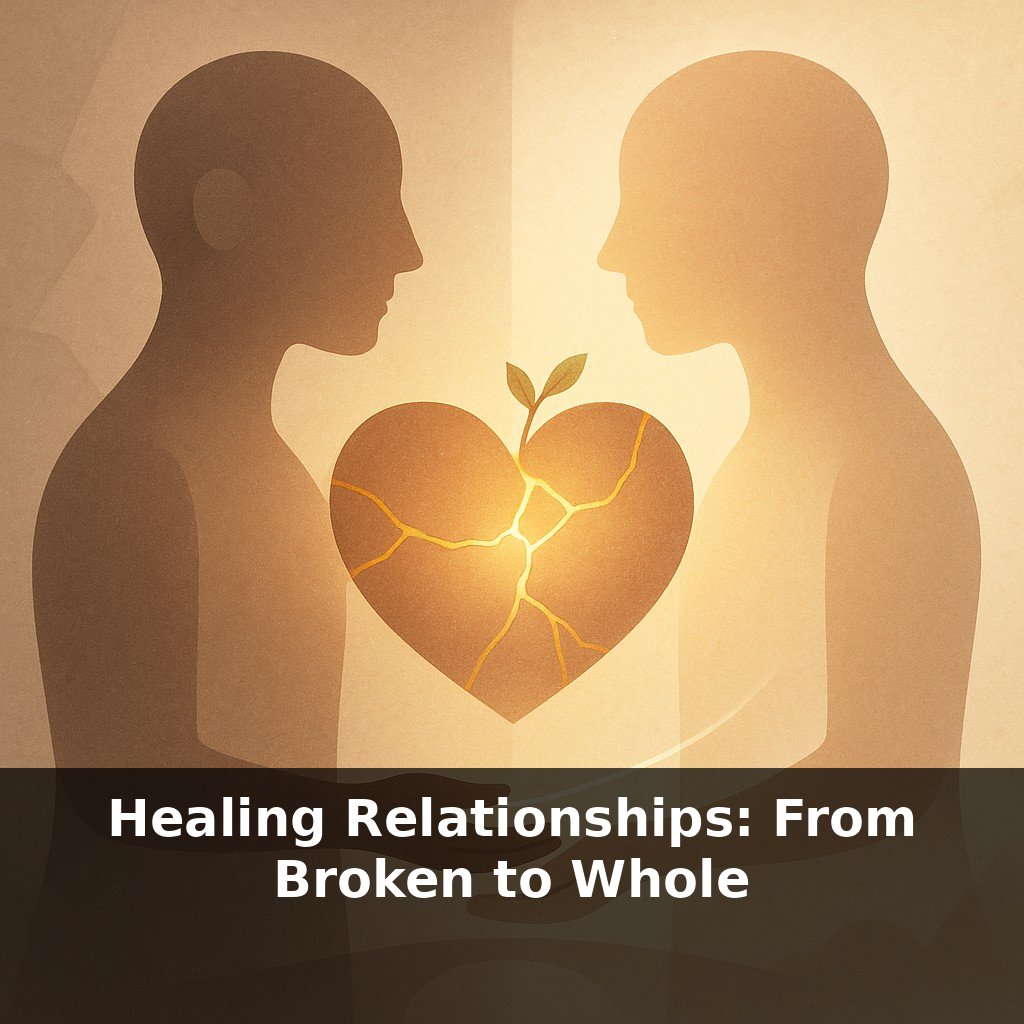
Forgiveness is like a skilled surgeon removing infected tissue: precise, careful, focused on preventing further spread, not pretending the injury never happened. The scar remains, but the body no longer spends all its energy fighting the same old wound.
Future tools may make this inner work less lonely. Therapists are already testing VR scenes where you can practice hard conversations with a lifelike stand‑in, like rehearsing lines before stepping on stage. Neurofeedback may soon act like a mirror for your stress responses, showing—minute by minute—when your body relaxes as you release a grudge. On a larger scale, communities experimenting with truth‑telling circles hint at how private forgiveness skills could someday reshape public life.
Forgiveness, then, becomes less a single leap and more like learning a new language of response: awkward at first, then slowly more fluent. You may start with tiny phrases—pausing a bitter comment, softening one memory. Over time, those small shifts can add up to a different emotional climate, where hurt still exists but doesn’t dictate tomorrow’s weather.
To go deeper, here are 3 next steps:
1. Listen to the **“Forgiveness” series on the “The Place We Find Ourselves” podcast (episodes 45–48)** and pause after each story to notice where your own experience feels similar or different, using the free episode study guides on his website as a companion. 2. Read **“The Book of Forgiving” by Desmond Tutu & Mpho Tutu**, and today complete just the first “Telling the Story” practice they outline, using their specific reflection prompts rather than trying to invent your own process. 3. Download the **“REACH Forgiveness” workbook from Dr. Everett Worthington’s website** and work through the R and E steps (Recalling the hurt and Empathizing with the offender) for one specific situation, following his scripted questions and examples exactly as written.