 2min preview
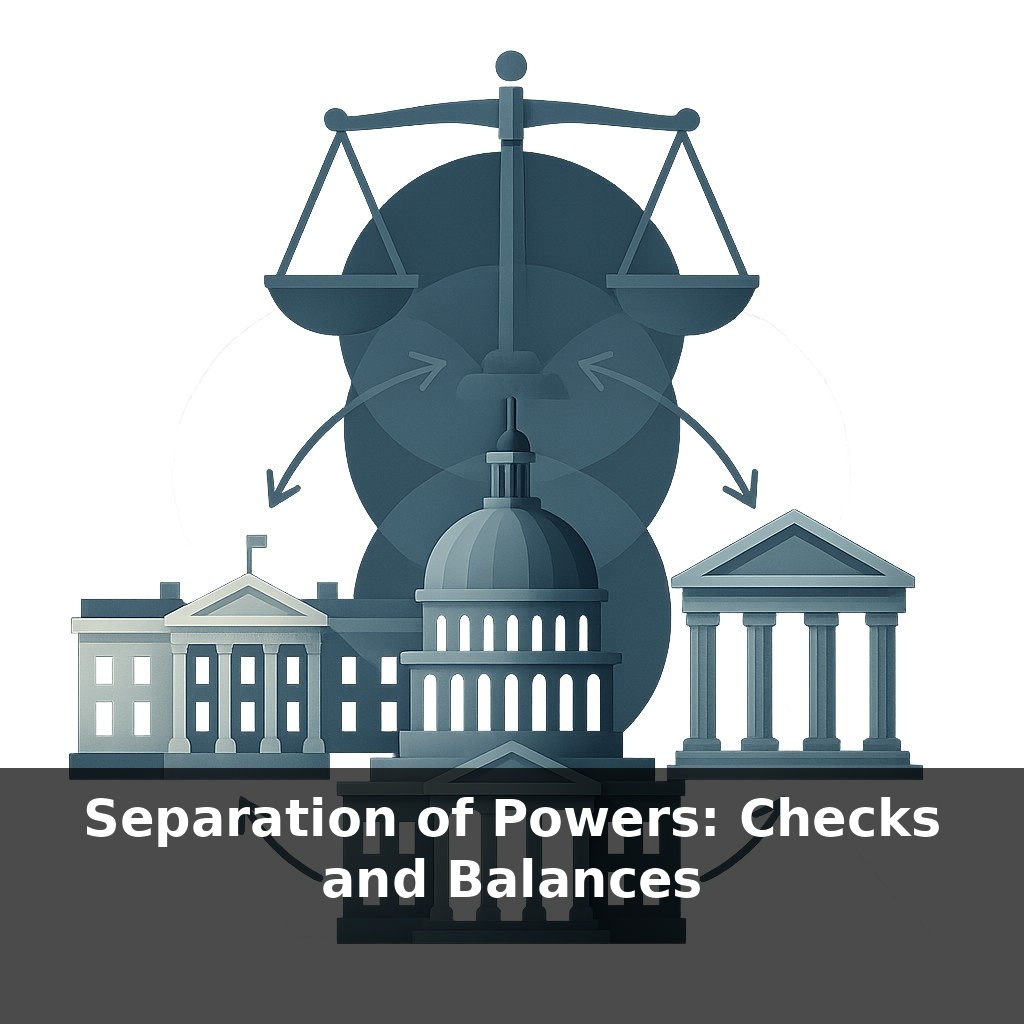
Separation of Powers: Checks and Balances
📝 Transcript
A single judge in Washington can freeze a president’s plan that was backed by millions of voters. In the same week, lawmakers can haul that president into hearings, while the Court quietly prepares to overrule them both. How does a system like that not collapse?
In most democracies, power isn’t just divided on paper—it’s constantly being negotiated in real time. A president claims “inherent” authority to act during a crisis. Parliament responds by tightening the law that supposedly grants that authority. Months later, judges are asked to decide whether either side went too far. None of them gets the last word forever, but each can say “stop” to the others for long enough to change the outcome.
You can see this play out in budget standoffs, pandemic measures, war powers, even student loan policies. One branch moves, another reacts, the third often has to clean up the mess. Like storm fronts colliding, the friction is the point: it helps keep any single front from turning into a hurricane that sweeps away rights, money, or basic democratic rules.
Subscribe to read the full transcript and listen to this episode
Subscribe to unlockSubscribe for $1.99/month to unlock the full episode.
From this course
How Governments Actually Work: Systems of Power
7 episodesUnlock all episodes
Full access to 7 episodes and everything on OwlUp.
Subscribe — $1.99/monthLess than a coffee ☕ · Cancel anytime