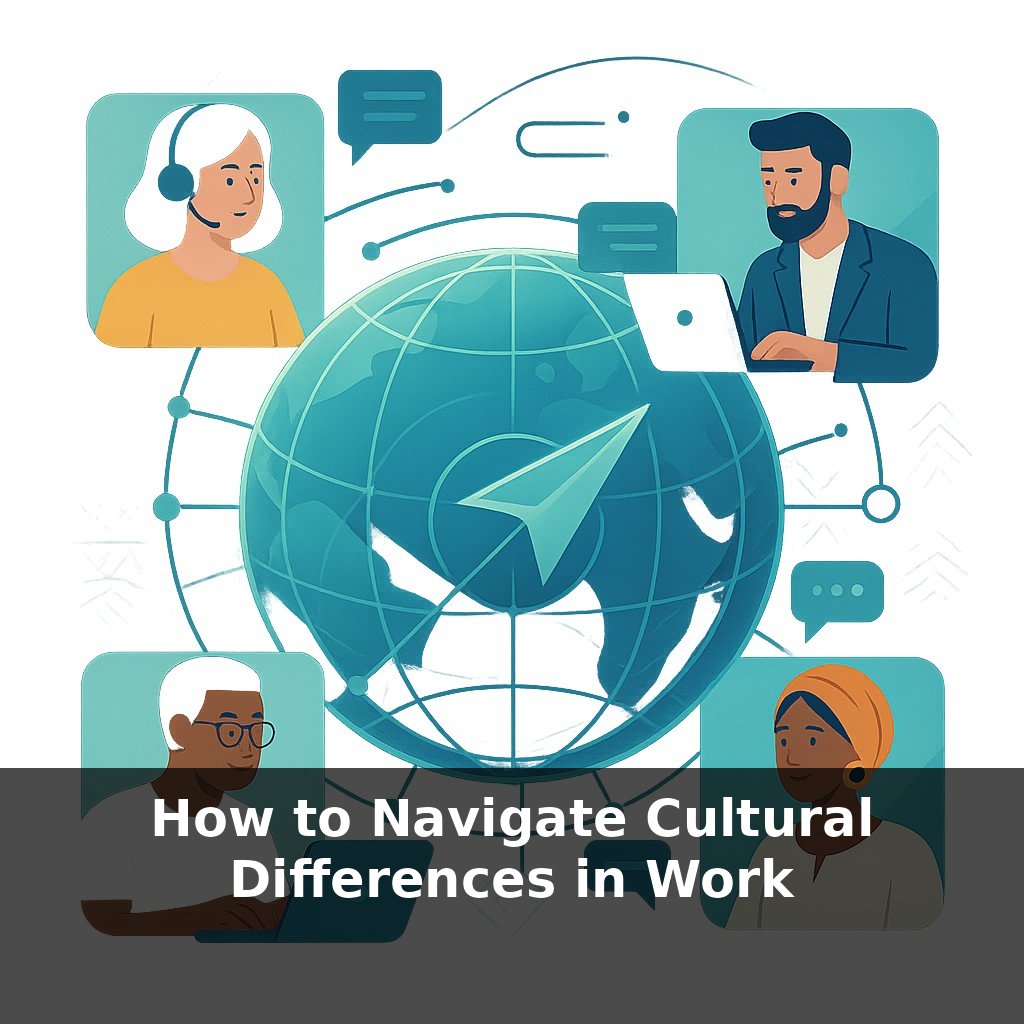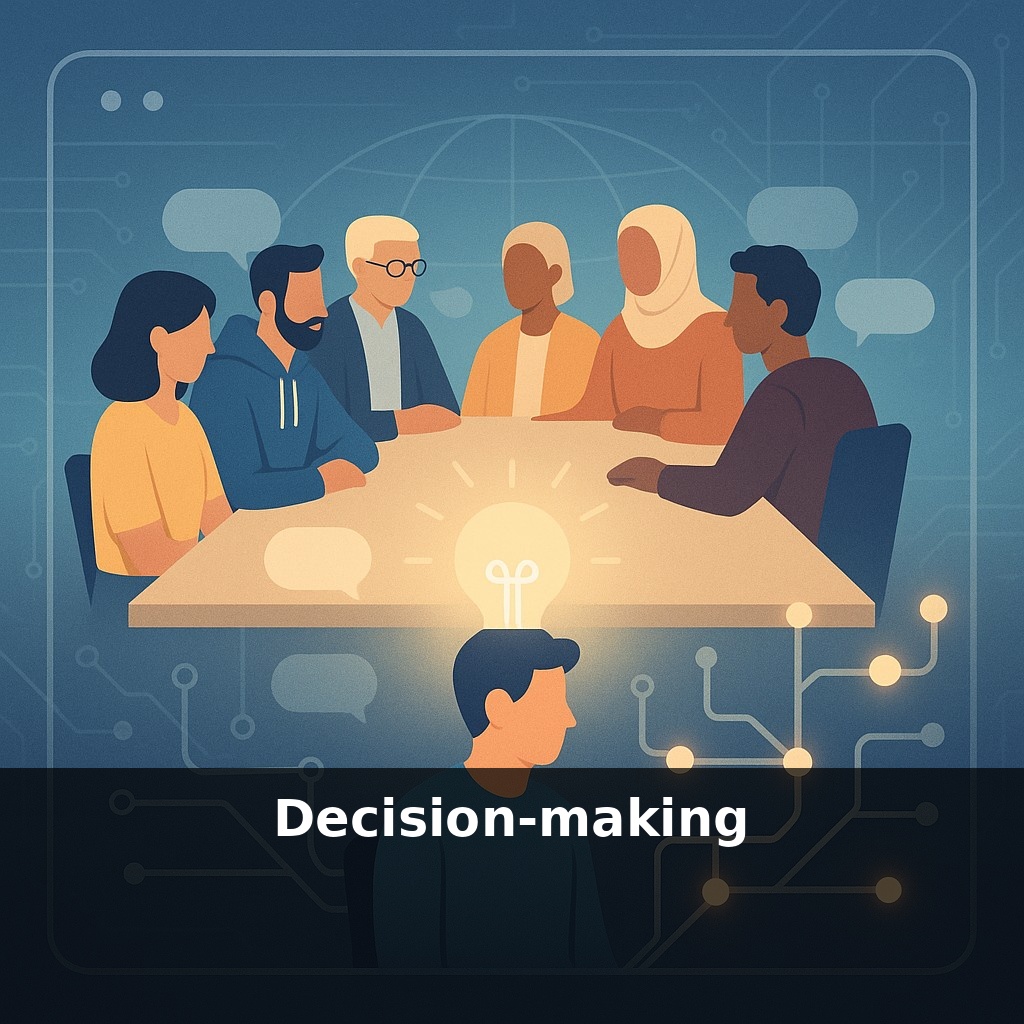
Right now, somewhere in a global team meeting, the quietest person in the room actually holds the key insight—and no one will ever hear it. Not because they’re shy, but because the group is using the wrong cultural “rules” for making decisions.
That same meeting often looks efficient on the surface—slides are crisp, timelines are clear, everyone nods at the “final” decision. But underneath, very different mental checklists are running. One person is silently weighing how this choice affects relationships; another is fixated on whether the boss has really signed off; a third is waiting for more data before they’ll truly commit. It’s like several music tracks playing through one set of speakers: you hear something, but not the full song anyone intended. These hidden expectations don’t just shape *what* the team decides; they shape *when* people speak up, how strongly they disagree, and whether they actually follow through afterward. In global teams, the real risk isn’t open conflict—it’s the polite, well-organized meeting that quietly plants the seeds for delay, resistance, and rework.
Now add culture to that mix and the contrasts sharpen. Some people are trained to speak only when they’re sure; others are rewarded for thinking out loud. In one team, a fast, solo call by the project lead feels decisive; in another, that same move feels reckless or even disrespectful. Power distance shifts whose opinion “counts” first. Uncertainty avoidance changes how much risk feels acceptable before anyone will sign their name. None of this shows up in the slide deck, yet it quietly steers who collects extra data, who checks with a mentor, and who waits for a hallway conversation before committing.
Here’s the twist: those differences aren’t random. They follow patterns that researchers have mapped for decades—and those patterns quietly predict when a “good” decision process in one setting becomes a landmine in another.
Take individualism–collectivism. In highly individualist settings, people often feel responsible for *their* view being heard; disagreeing is part of doing a good job. In more collectivist settings, people feel responsible for the *group* staying aligned; disagreeing too directly can feel like abandoning the team. So the same sentence—“I don’t think this will work”—lands either as helpful candor or social rupture. If you don’t know which script people are using, you’ll misread both the silence and the pushback.
Now layer in how “good” evidence is defined. In some places, a spreadsheet with clean numbers is the final word. Elsewhere, numbers are a *starting point* that must be balanced against precedent, relationships, and informal checks with stakeholders who aren’t in the room. A manager from a data-first culture may think, “We already proved the case—why are we still talking?” while their colleagues are thinking, “We’ve barely started; we haven’t pressure-tested this with the right people.”
This is where hybrid approaches become powerful. Teams that deliberately combine rigorous analysis with deliberate consensus-building don’t just compromise; they change *when* and *how* each element shows up. A product group might front-load quantitative scenarios to narrow options, then switch into a more relationship-focused mode to stress-test risks with key regions before locking in. Another team might reverse it: quiet bilateral conversations first to surface concerns, followed by a sharp, time-boxed decision meeting where data decides among the pre-aligned options.
Think of a conductor leading musicians from different traditions—classical, jazz, folk. If each plays their usual way without coordination, the result is noise. When the conductor names who leads when, and why, the same diversity becomes a richer sound. Teams that learn to “conduct” their decision styles this way don’t just avoid clashes; they expand the range of problems they can solve.
In one pharma company, a German R&D lead and a Filipino country manager kept clashing over launch timelines. The lab wanted to lock dates after a single, data-heavy review; the local team kept “reopening” the discussion after sounding out doctors and hospital buyers. Once they mapped this pattern, they flipped the sequence: first, the country team ran structured stakeholder rounds; then the lab held a firm, analytics-driven go/no-go review. The launch moved three months faster than the previous product—*and* required fewer field corrections.
Try spotting this in your own work: a US-based VP pushes for a decision in Monday’s meeting; Thai and Japanese colleagues only “commit” after several side conversations; a French engineer keeps challenging assumptions long after others feel “done.” None of this means people are difficult. It usually means they’re following different, internally consistent playbooks.
Your leverage point isn’t to pick one playbook, but to ask openly: *“Which steps do we each need before this feels like a real decision?”*
Leaders who treat AI tools as “neutral judges” may be disappointed: models will surface patterns, but humans will still argue over *what those patterns mean* and *who gets to act on them*. Expect new power centers around those who can translate across technical, regional, and moral viewpoints—like skilled DJs blending clashing tracks into one mix. Over time, promotion criteria may shift: not just “who decides fastest,” but “who aligns the widest range of voices.”
So the real experiment isn’t to “fix” how people decide, but to make the process visible. Like tuning an orchestra, you’ll adjust tempo, bring some sections forward, quiet others, and notice how the sound changes. Over time, those small tweaks reveal which combinations fit your team’s rhythm—and which ones keep leaving key voices offstage.
Before next week, ask yourself: 1) “Where in my life right now am I stuck in ‘analysis paralysis,’ and if I had to decide in the next 10 minutes using just the 80/20 rule, what would I actually choose?” 2) “Thinking back on a decision I regret, was it my information, my emotions, or my fear of others’ opinions that drove it—and what would I do differently if I faced that same choice today?” 3) “What is one low-stakes decision I’m currently overthinking (like what project to start first or which option to test), and how can I turn it into a reversible experiment I’ll commit to trying for just the next 7 days?”