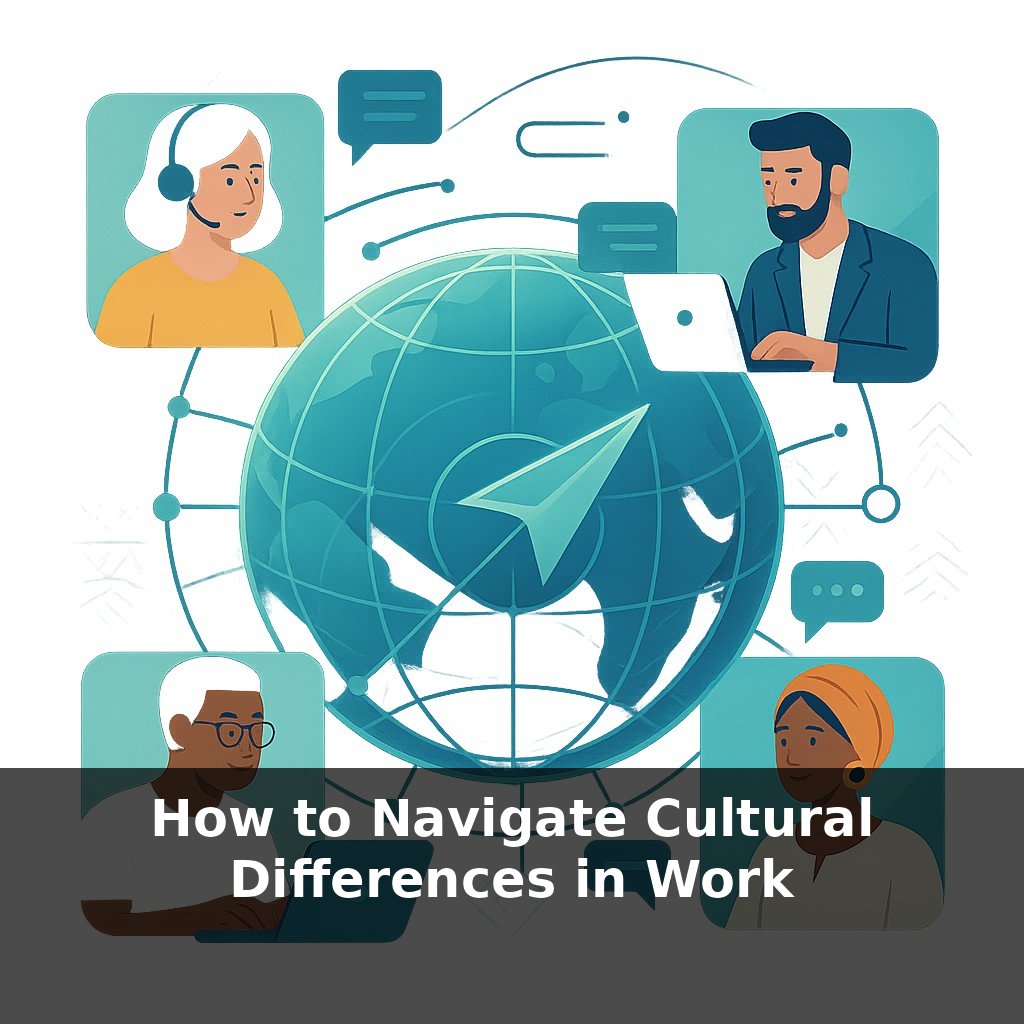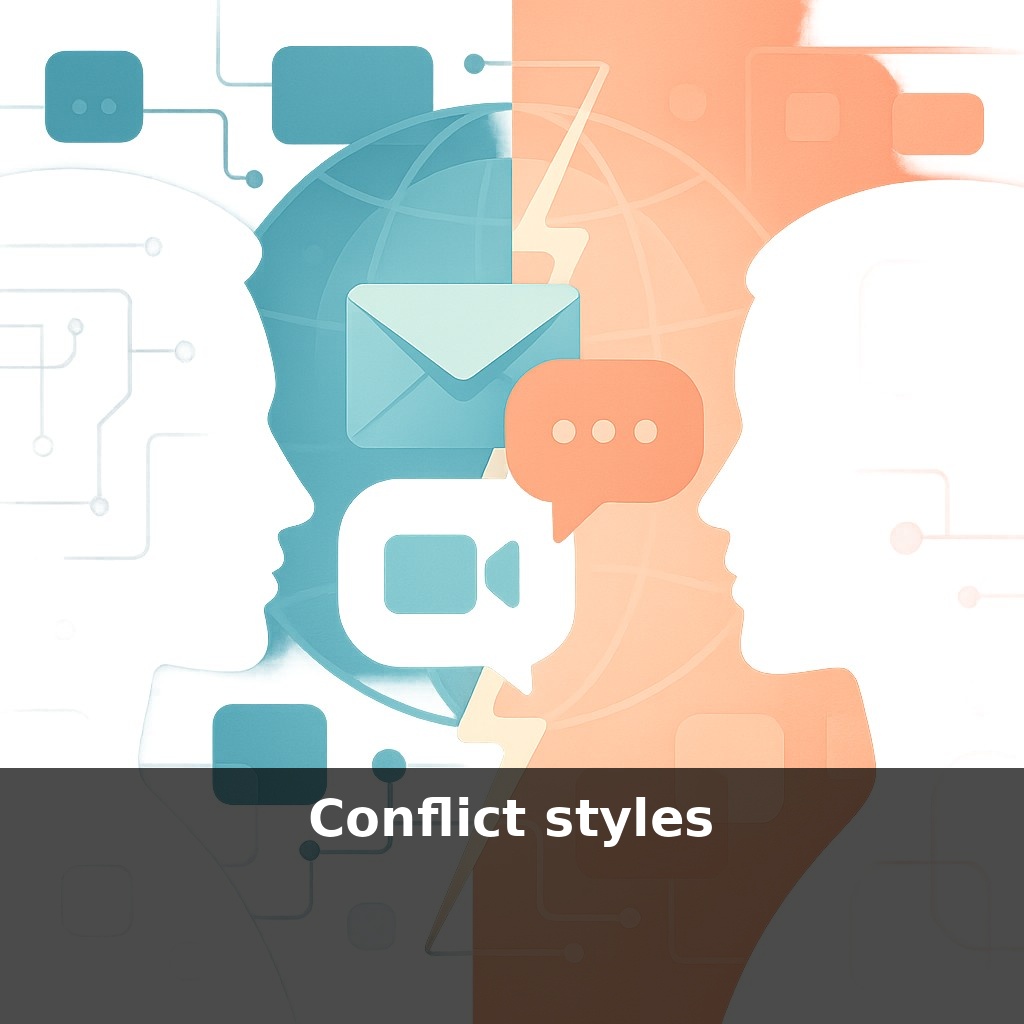
Nearly nine out of ten people say workplace tension has spun out of control at least once—yet most can’t name their own default conflict style. A tense email, an awkward video call, a silent team chat: same disagreement, totally different “rules” no one has explained.
Eighty-nine percent of employees say at least one conflict at work has exploded beyond what they expected—and multicultural teams are hit hardest. Not because people are more difficult, but because the “rules” of disagreement silently shift from person to person. In some cultures, pushing back on your manager is seen as owning the problem; in others, it borders on disrespect. One teammate reads rapid-fire questions in chat as engagement, another as aggression. Add video calls where delays, frozen screens, and missing eye contact blur 65–70% of the message, and even well-intended comments can land like a slammed door. Meanwhile, research shows teams that learn to spot and adapt to these cultural fault lines aren’t just calmer—they’re measurably more creative. So the real skill isn’t avoiding conflict; it’s learning to tune into the cultural “signals” that tell you which move will actually move you forward.
Once you start looking, you’ll notice those signals everywhere: whose camera snaps on or off when talk gets tense, who jumps in with “We need a decision,” and who goes quiet until the meeting ends. Underneath are three big cultural levers quietly steering reactions: how much people value the group over the individual, how comfortable they are questioning authority, and whether they expect meaning to be stated outright or read between the lines. Those levers don’t just shape what people say; they shape what they *won’t* say, especially in fast, text-heavy tools like Slack or Teams.
Look under the surface of any heated thread or frosty silence and you’ll see the five Thomas‑Kilmann styles playing out in real time—just not always where you expect.
In a status update channel, “Let’s just do it my way; we’re wasting time” is a classic **competing** move. So is the manager who locks a decision in the project tool without discussion. In low‑power‑distance, task‑focused cultures, that can read as efficient. In high‑power‑distance contexts, competing from *below* (“I’m overruling you in public”) can feel shocking, while competing from *above* may be taken for granted.
**Accommodating** often hides in politeness: “No worries, it’s fine, I’ll adjust,” or the teammate who quietly rewrites half the document at 11 p.m. without pushing back. In harmony‑focused cultures, that can be a sign of maturity; in individualistic ones, the same behavior may be misread as lack of conviction.
**Avoiding** is easy to miss in digital tools because it looks like… nothing: no reply to a controversial message, turning the camera off “due to bandwidth,” dropping from the meeting right before the decision. Some cultures see this as prudent—better to cool off than confront. Others see it as unreliability or passive resistance.
**Compromising** shows up as “Let’s split the difference,” “We’ll alternate approaches each sprint,” or vague middle‑ground comments that get everyone to yes but no one fully satisfied. It can be a smart move when time is short or stakes are moderate, yet overused, it produces bloated solutions that quietly frustrate everyone.
**Collaborating** is the long meeting where people ask, “What’s really at stake for each of us?” and co‑create options in a shared whiteboard. It shines when problems are complex and relationships matter, but in some cultures or time‑pressured environments, this depth can seem indulgent or indecisive.
Research suggests the most effective managers don’t “pick a favorite” style; they **sequence** them. For example: briefly avoid to gather data, collaborate to surface interests, then compete to make a clear call when consensus stalls—while signaling the shift: “We’ve explored options; now I’m moving us to a decision.”
The cultural twist: the *same sequence* lands differently across borders. A U.S. lead who jumps from exploring to blunt decision may feel decisive; to a Japanese colleague, that may feel like abandoning harmony too soon. A Scandinavian manager’s gentle, collaborative tone can be misread by a U.S. teammate as lack of ownership when conflict spikes.
Your real leverage is twofold: (1) noticing which style people *expect* in a given cultural and technological setting, and (2) making your own switches **explicit**: “I was accommodating earlier to keep us moving; now I’m going to push harder so we don’t miss the risk.” That small narration often matters more than the style itself.
On a global product call, a Brazilian engineer types, “We *must* fix this now,” tagging three people. The German PM reads that as collaborating: “Great, clear focus, everyone included.” The Japanese designer reads it as competing in public and goes silent for the rest of the sprint. Later, in a 1:1, they share they already had a workaround but didn’t feel it was “their place” to contradict the urgency in-channel.
A different team flips the script. A Nigerian lead, sensing tension in Slack, posts: “I’m going to *avoid* this thread for a day to cool us down, then come back to *collaborate* on options.” The metadata—those two verbs—turns what might look like disappearing into a visible, intentional move. By the time they reconvene on video, people have shifted from defending positions to clarifying constraints.
Conflict styles here behave like instruments in a band: not right or wrong on their own—only in or out of tune with the room, the moment, and the other players.
As AI tools begin to “listen” beneath the words—tracking sentiment shifts, response latency, even emoji patterns—they’ll surface conflict like a weather radar, not a fire alarm. That creates a new leadership test: who learns to read these signals without over‑policing emotion? Think of leaders less as referees and more as music producers, adjusting the mix so no single cultural voice drowns out the others—and knowing when dissonance is the sound of real innovation brewing.
So the next frontier isn’t choosing a “nicer” way to disagree; it’s treating each clash as a live lab. Notice who speeds up, who goes quiet, which channels heat up first. Over time, your team’s conflict map starts to look less like a minefield and more like a city grid—routes you know, detours you share, and shortcuts you design together.
Before next week, ask yourself: 1) “In my last disagreement (at work or at home), what ‘default’ conflict style did I slip into—avoiding, accommodating, competing, compromising, or collaborating—and what did that actually cost me or the relationship?” 2) “Thinking of one recurring conflict (with a specific person), what would it look like if I deliberately tried a more collaborative style next time—what exact words could I use to name both my need and theirs?” 3) “When I feel myself getting triggered in a conversation, what early signals do I notice in my body or thoughts, and how could I use a simple pause (e.g., ‘Can we take five minutes and come back to this?’) to keep from sliding into my usual pattern?”